
Diaphora
Diaphora
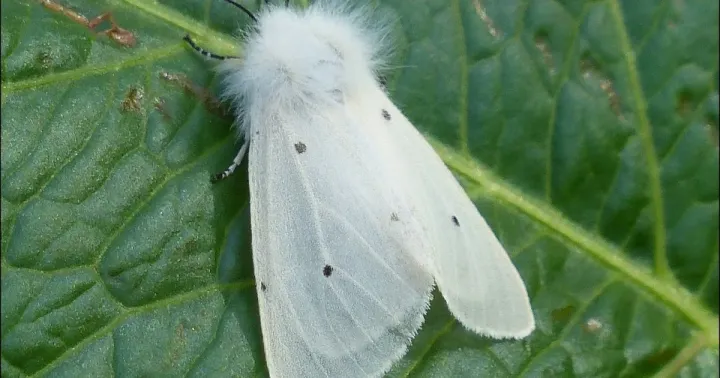
Description
How to identify
Diaphora is a genus of moths belonging to the family Erebidae. These insects are recognized as potential agricultural pests due to their larval stage, which can consume large amounts of foliage from various plant species.
The adult moths are typically small to medium-sized, often featuring light-colored wings with dark, irregular spots. Their morphology is well-adapted for nocturnal activity, helping them navigate and mate effectively during the warmer months.
The larvae, or caterpillars, are the primary stage causing concern for agronomists. They are often densely covered with hairs, which serve as a natural defense mechanism against many predators found in agricultural fields.
Diaphora undergoes complete metamorphosis, including egg, larva, pupa, and adult stages. The pupal stage is crucial for overwintering, as the insect typically spends the colder months protected in the soil or leaf litter.
Understanding the life cycle of Diaphora is essential for farmers, as the timing of control measures depends heavily on identifying the specific developmental stage of the insect during the growing season.
What it damages
As polyphagous pests, Diaphora larvae feed on a wide range of host plants, including grasses, field crops, and various ornamental species, which can lead to significant agricultural losses.
The caterpillars damage plants by consuming leaf tissue, often starting from the leaf margins and moving inward. In severe cases, they leave behind only the midribs and veins of the leaves, a process known as skeletonization.
This extensive foliage loss significantly hinders the plant's ability to perform photosynthesis, ultimately resulting in stunted growth, reduced biomass, and lowered overall crop yields.
Furthermore, the physical wounds inflicted by the larvae provide entry points for secondary infections, such as bacterial or fungal pathogens, which can exacerbate the damage to the crop.
In years of high population density, these pests can cause rapid and widespread destruction across large areas, making early detection and intervention critical for maintaining farm productivity.
When it appears
The seasonal appearance of Diaphora is dictated by environmental cues, primarily temperature and humidity, which trigger the emergence of adults from their pupal state.
Adult activity usually peaks in late spring or early summer, allowing them to lay eggs on the leaves of host plants, which provides the larvae with an immediate food source upon hatching.
The larval period, during which the most damage occurs, typically spans the summer months. Depending on the local climate, the species may produce one or more generations per year.
As autumn temperatures begin to drop, the larvae complete their development and search for suitable locations to pupate for the winter, effectively ending their active season.
Because climate variability can shift these cycles, farmers are encouraged to utilize localized monitoring data rather than relying solely on calendar-based estimations for pest management.
Signs of infestation
The most visible signs of a Diaphora infestation include chewed or ragged leaf edges, indicating that larvae are actively feeding in the canopy or on the foliage.
Upon closer inspection, one might find the larvae themselves, often resting on the undersides of leaves or along the stems during the daylight hours when they are less active.
Frass (larval droppings) is another clear indicator of their presence. These small pellets accumulate on leaves and the ground below, serving as a warning sign for those monitoring the crop.
Some species of the genus may also produce silk or webbing while moving across the plant, which can be spotted during routine scouting operations in the field or garden.
Wilting of leaves or yellowing of the plant can be a secondary sign, suggesting that the insect population has reached a level high enough to interfere with the plant's nutrient distribution.
Control measures
Effective management of Diaphora relies on an Integrated Pest Management (IPM) approach that minimizes environmental impact while maximizing protection for the crops.
Cultural practices, such as deep autumn plowing, are highly effective in disrupting the life cycle by destroying pupae hidden in the soil, thereby reducing the number of adults in the following spring.
Weed management is equally important, as removing wild hosts from field borders prevents the insect population from building up in areas adjacent to the primary agricultural crops.
Biological control methods, including the use of specific pathogens or encouraging natural predators and parasitoids, can help keep Diaphora populations below the economic injury level.
- Monitor adult flight using pheromone or light traps.
- Implement crop rotation to break the cycle of host plants.
- Apply selective insecticides only when scouting confirms that thresholds have been exceeded.
Taxonomy
- Latin name
- Diaphora
- Order
- Lepidoptera (butterflies)
- Family
- Erebidae
- EPPO code
- DPHRSP
Discussion
No discussions yet — be the first.