
Cocoa pod borer
Deanolis
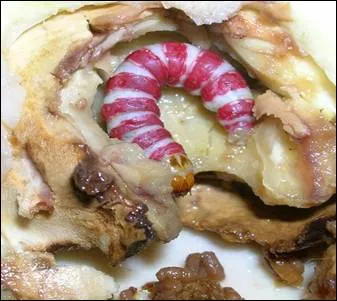
Description
How to identify
The cocoa pod borer, scientifically identified as Deanolis sublimbalis, is a destructive pest belonging to the order Lepidoptera and the family Crambidae. It is a specialized pest that primarily affects tropical fruit trees.
Adult moths are relatively small and nocturnal, making them difficult to spot during routine plantation inspections. Their wings display cryptic coloration, allowing them to blend seamlessly into the bark of cacao trees.
The biological development of the pest is closely synchronized with the phenology of the cacao plant. Females typically deposit their eggs into crevices in the fruit skin or near the stalk, ensuring the larvae have immediate access to food.
The larval stage is the most destructive phase. As the caterpillars develop through various instars, they grow significantly and develop strong mandibles, which they use to tunnel into the hard outer rind of the cacao pod.
Pupation generally occurs either inside the infested pod or within the organic matter on the plantation floor. The rate of population growth is highly influenced by ambient temperature and relative humidity levels.
What it damages
The primary host for this pest is the cacao tree (Theobroma cacao). The larvae bore into the developing pods, feeding on both the white mucilage and the developing beans, which ruins the fruit.
Besides cacao, Deanolis species have been observed on other tropical hosts, including certain mango varieties, suggesting that the pest can survive in diverse horticultural environments.
Larval tunneling destroys the internal structure of the pod. The tracks left by the caterpillars create pathways for secondary infections, such as fungi and bacteria, which rapidly cause the entire pod to rot.
Economic damage is substantial, as infested pods fail to mature properly and the internal beans are often completely consumed or spoiled, making them unusable for the chocolate industry.
The cumulative effect of a widespread infestation can lead to significant yield losses, potentially jeopardizing the livelihood of smallholder farmers who depend on cacao production.
Signs of infestation
The most visible sign of an infestation is the presence of small entry holes on the pod surface, typically surrounded by frass, which appears as granular brown or black excrement.
As the larvae penetrate deeper, the pod often develops patches of rot or premature yellowing. These visual cues are reliable indicators that the internal tissues have been compromised.
Breaking open a suspicious pod usually reveals extensive galleries (tunnels) packed with waste products. The beans inside are frequently fused together or show clear signs of being eaten.
Premature fruit drop is a strong indicator of high pest pressure. When infested pods fall to the ground, they continue to provide a shelter for larvae to complete their development.
Careful examination of fallen fruit will often show larvae inside. Removing these "sinkers" or fallen pods is critical to preventing the next generation of moths from emerging.
Control measures
Sanitation is the cornerstone of managing the cocoa pod borer. Farmers must regularly collect and bury or burn all damaged and fallen pods to disrupt the life cycle of the pest.
Good agricultural practices, including regular pruning of the canopy, improve airflow and light penetration, which reduces the humidity that the pest needs to thrive.
Biological control agents, such as specialized entomopathogenic fungi or predators, have shown promise in field trials as sustainable alternatives to conventional chemical pesticides.
Monitoring using pheromone traps is highly recommended. These traps can effectively capture male moths, providing early warning signals and helping to reduce the overall breeding population.
Chemical intervention should be considered a last resort. If insecticides are used, they must be applied precisely during the peak flight of adults, ensuring minimal harm to beneficial insects and adherence to strict harvest safety intervals.
Taxonomy
- Latin name
- Deanolis
- Order
- Lepidoptera (butterflies)
- Family
- Crambidae
- EPPO code
- DEANSP
Discussion
No discussions yet — be the first.