
Dasychira mendosa
Dasychira mendosa
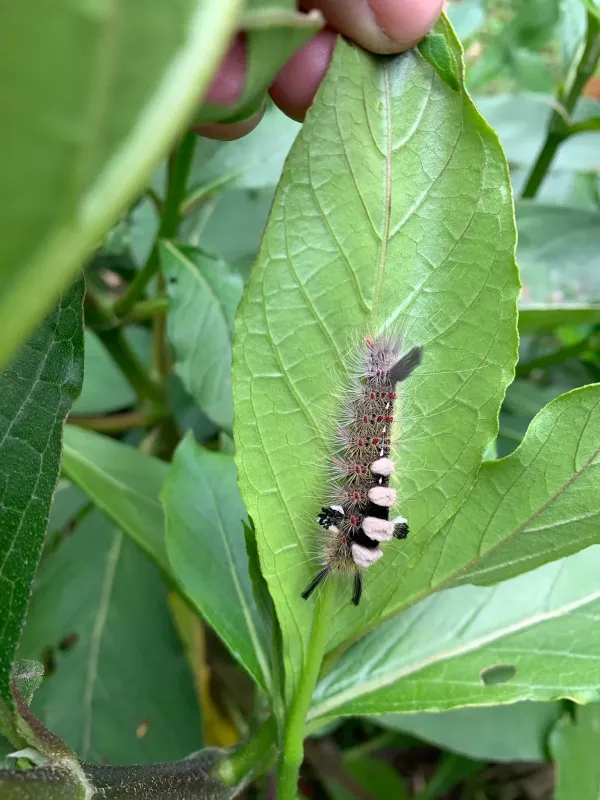
Description
How to identify
Dasychira mendosa is a species of moth belonging to the Erebidae family, specifically the Lymantriinae subfamily, commonly known as tussock moths. These moths are characterized by the distinct appearance of their larvae, which possess dense tufts of hair, often serving as a defense mechanism against predators.
The adult moths are typically modest in appearance, with wing colors ranging from shades of brown to grey. This camouflage allows them to blend in perfectly with tree bark during daylight hours, making detection of the adult stage quite challenging for growers.
The life cycle involves four stages: egg, larva, pupa, and adult. In tropical regions, Dasychira mendosa can be multivoltine, meaning it produces several generations throughout the year, which facilitates rapid population buildup in favorable conditions.
Eggs are usually deposited by females in small clusters on the undersides of leaves. The duration of the egg stage is temperature-dependent, with warmer climates leading to faster hatching rates and more frequent population peaks.
Once the larval stage is complete, the caterpillars spin cocoons to undergo pupation. These cocoons are often constructed within folded leaves or deep inside crevices of the plant bark, providing a sheltered environment for the transformation into adulthood.
What it damages
Dasychira mendosa is a polyphagous pest, meaning it feeds on a wide range of plant hosts. Its impact is particularly significant in commercial plantations of tea, coffee, citrus, and various fruit trees, as well as several ornamental woody plant species.
The primary damage is caused by the caterpillars, which consume the leaf tissue of host plants. Heavy infestations can lead to substantial defoliation, severely reducing the plant's photosynthetic capacity and hindering its overall development and growth.
Beyond leaf consumption, these pests can also damage floral buds and developing fruits. Such feeding habits directly result in reduced harvest yields and lower quality of the final agricultural product, causing significant economic concern.
The feeding activity often creates entry points for secondary infections. Fungal and bacterial pathogens may enter through the damaged tissues, leading to additional diseases that further weaken the plant's immune system and structural integrity.
In cases of severe outbreaks, the cumulative damage can lead to the death of younger plants or significant stunting of mature trees. Continuous monitoring is essential, especially in areas where these moths are known to be active throughout the growing season.
Signs of infestation
The most recognizable sign of infestation is irregular damage to leaves. Caterpillars typically start feeding from the edges, often leaving only the primary veins behind, creating a skeletonized effect on the affected leaf tissue.
Accumulation of frass (caterpillar excrement) on the ground under the tree canopy is a clear indicator of a high infestation level. Growers should inspect the area below the plants to gauge the severity of the presence of the pest.
The presence of grayish, web-like cocoons found on leaves or bark is a strong signal that the next generation of adults is imminent. Carefully examining these areas can help in predicting the timing of the next wave of larval emergence.
Direct sighting of the larvae is also common during the peak feeding season. Their tufted, hairy appearance makes them quite distinct, and they are usually found on the undersides of leaves or along the stems of the plants.
Wilting of terminal shoots and premature leaf drop can also indicate a high population of caterpillars. These symptoms, when combined with visible foliage damage, confirm that the plant is under stress from feeding activity.
Control measures
An integrated approach is required for effective management of Dasychira mendosa. Combining biological control with vigilant monitoring helps minimize the reliance on broad-spectrum chemical insecticides and preserves beneficial insect populations.
The use of biological agents such as Bacillus thuringiensis is highly effective against larvae. This method is environmentally friendly and specifically targets the pest without harming the natural predators, such as parasitoid wasps or predatory bugs.
Mechanical control, including the manual removal of egg masses and cocoons, is recommended for small-scale infestations or home gardens. This proactive measure significantly reduces the future population of the pest in the immediate area.
Chemical control should be reserved for high-population scenarios where economic thresholds are exceeded. When using insecticides, it is critical to rotate active ingredients to prevent the development of resistance within the pest population.
- Monitor the farm regularly using pheromone traps.
- Encourage the presence of natural enemies and birds.
- Maintain orchard hygiene by removing dead foliage and debris.
- Apply targeted biological treatments during the early larval stages.
Taxonomy
- Latin name
- Dasychira mendosa
- Order
- Lepidoptera (butterflies)
- Family
- Erebidae
- EPPO code
- DASCME
Discussion
No discussions yet — be the first.