
Solomon Islands fruit fly
Dacus solomonensis
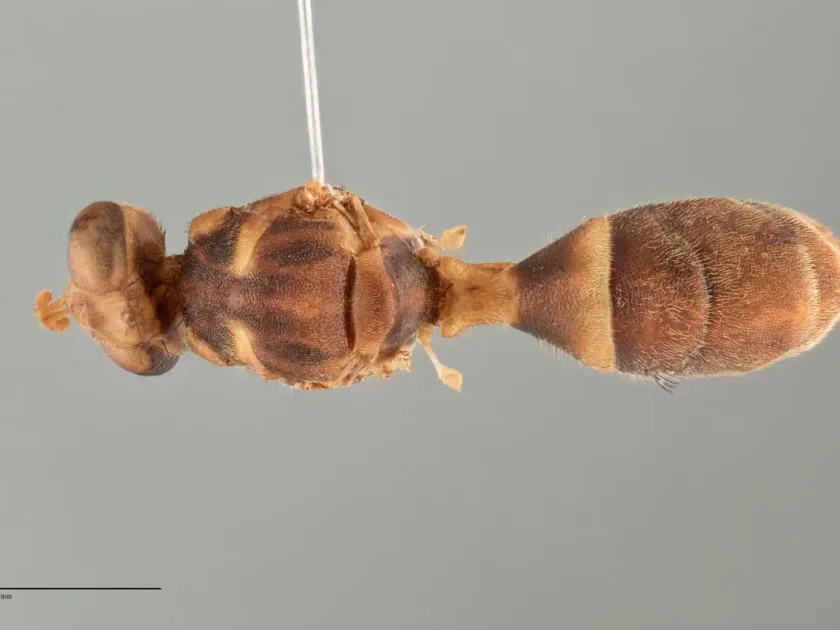
Description
How to identify
The Solomon Islands fruit fly (Dacus solomonensis) belongs to the family Tephritidae, order Diptera.
It is a highly specialized species commonly found in the Pacific region, where it serves as a major agricultural concern.
Adult flies possess specific morphological features characteristic of the Dacus genus, including a patterned abdomen and wings.
Scientific identification usually requires microscopic analysis of adult specimens or the use of specific lures for monitoring programs.
The insect has successfully adapted to the local tropical environment, allowing it to maintain stable populations throughout the year.
What it damages
This pest targets a wide variety of fruit-bearing plants, specifically those common to the tropical ecosystems of the Solomon Islands.
The damage is primarily caused by the larvae, which feed internally on the pulp, rendering the fruit completely inedible.
Commercial fruit production suffers heavily from infestations, leading to significant yield losses and potential trade restrictions.
Secondary infections, such as bacterial rots and fungal diseases, often exacerbate the destruction caused by the larvae within the fruit.
In cases of severe infestation, the cumulative impact can lead to the total loss of entire harvests if appropriate actions are not taken.
When it appears
The life cycle includes the egg, larva, pupa, and adult stages, driven by the availability of suitable host fruits for oviposition.
Females insert eggs beneath the skin of ripening fruits, providing the hatching larvae with immediate access to food.
After reaching the final larval instar, the insect exits the fruit and burrows into the soil to undergo pupation.
Development is continuous in tropical climates, with multiple overlapping generations occurring within a single calendar year.
Adult flies are highly mobile and can spread rapidly between nearby fruit orchards, especially during the peak ripening season.
Signs of infestation
Early symptoms include tiny puncture marks on the fruit surface, often accompanied by small oozing droplets of juice.
As larvae feed, the fruit begins to show signs of premature ripening or discoloration at the sites of entry.
A soft, decaying consistency in the fruit indicates that larval activity is already advanced and the structure is collapsing.
Premature fruit drop is a classic field observation, often signaling that larvae have completed their development and are preparing to exit.
Effective detection is best achieved through male-attractant traps, which verify the presence and density of the fly population.
Control measures
Cultural practices, particularly the rigorous sanitation of orchards, are crucial for breaking the fly's reproductive cycle.
Mass trapping using lure-baited traps effectively reduces the male population, thereby limiting the fertilization success of females.
Chemical applications must be carefully managed to ensure residue compliance while protecting the crop during vulnerable periods.
Biological control initiatives aim to integrate native parasitoids that can naturally keep the population levels within a manageable range.
Regional quarantine measures are essential to restrict the movement of infested fruit and prevent the fly from spreading to non-endemic areas.
Taxonomy
- Latin name
- Dacus solomonensis
- Order
- Diptera (flies)
- Family
- Tephritidae
- EPPO code
- DACUSO
Discussion
No discussions yet — be the first.