
Pergularia fruit fly
Dacus pergulariae
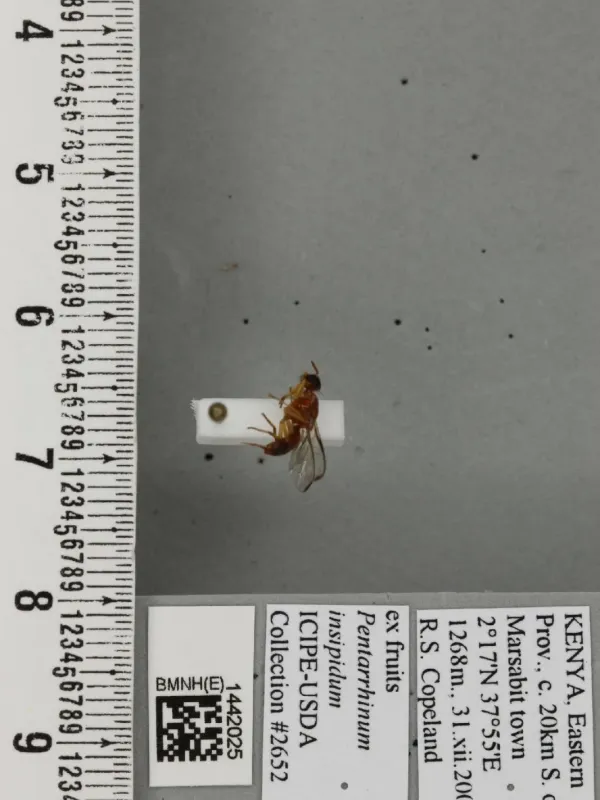
Description
How to identify
The Pergularia fruit fly Dacus pergulariae is a member of the Tephritidae family, also known as the fruit fly family, within the order Diptera.
These flies are characterized by specific wing patterns and a body structure typical of the genus Dacus, which assists in their camouflage on host plants.
The larvae are small, legless maggots that are highly specialized for internal feeding within the fruit tissues of their host plants.
Adult females possess a sharp ovipositor, an organ specifically designed for piercing the outer wall of the fruit to deposit eggs internally.
Accurate species identification often requires professional expertise or microscopic examination of morphological traits due to the presence of closely related species.
What it damages
The primary host plants for this pest belong to the genus Pergularia, often found in various ecological zones including tropical and subtropical regions.
Larval feeding causes direct physical damage to the interior of the fruit, leading to the destruction of seed development and overall reproductive failure.
The tunneling activity of the larvae introduces secondary pathogens, such as fungi and bacteria, which lead to rapid fruit rot and degradation.
Severe infestations can result in total crop loss, making this pest a significant concern for seed production and botanical conservation efforts.
Plants affected by Dacus pergulariae show reduced vigor as the energy stored in the fruits is consumed by the developing pest population.
When it appears
The seasonal activity of the Pergularia fruit fly is closely aligned with the fruiting periods of its specific host plants.
Adults emerge during warm months, with population density increasing as the supply of developing fruits becomes more abundant.
The species may complete multiple generations per year, provided the climatic conditions remain suitable for rapid development and reproduction.
Overwintering occurs in the pupal stage, typically buried in the soil or hiding within protected plant debris to survive cooler temperatures.
Monitoring the flight patterns of adults is crucial for determining the optimal timing for implementing control measures during the growing season.
Signs of infestation
The earliest signs of infestation are small oviposition marks on the fruit skin, which may appear as tiny discolored spots or punctures.
As larvae develop inside, the fruit may show signs of yellowing or uneven softening, indicating that the internal structure is being consumed.
Premature fruit drop is a common symptom, often occurring when the larvae have reached a significant size and are exhausting the internal resources.
The presence of exit holes on the fruit surface indicates that mature larvae have emerged to begin the pupation process in the soil.
Internal decay and the presence of larvae inside dissected fruits provide definitive confirmation of the pest's presence in the garden or field.
Control measures
Effective control starts with sanitation: regularly collecting and destroying all infested or fallen fruits to interrupt the life cycle.
Utilizing baited traps with specific attractants is an excellent method for both monitoring and mass-trapping the adult fly population.
Cultivating the soil surface beneath host plants in late autumn can expose pupae to predators and environmental extremes, reducing the carry-over population.
Biological control, including the use of beneficial insects or biological sprays, can provide sustainable management without damaging the ecosystem.
For high-value plants, physical barriers like fine-mesh netting can be employed to prevent female flies from accessing the fruit to lay eggs.
Taxonomy
- Latin name
- Dacus pergulariae
- Order
- Diptera (flies)
- Family
- Tephritidae
- EPPO code
- DACUPR
Discussion
No discussions yet — be the first.