
Namibian fruit fly
Dacus namibiensis
Description
How to identify
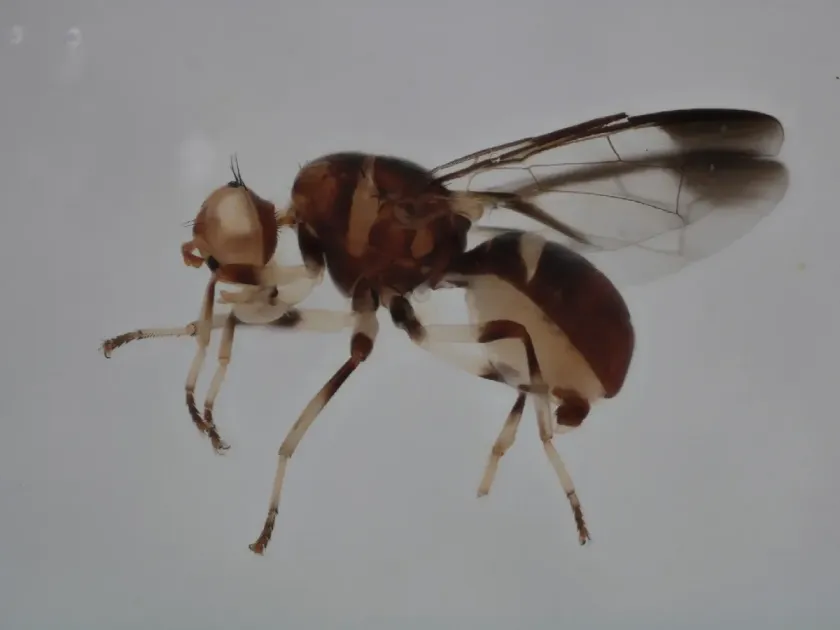
The Namibian fruit fly (Dacus namibiensis) belongs to the Tephritidae family, also known as fruit flies. It is a specific pest native to Southern Africa, often identified by its distinct morphological features common to the Dacus genus.
Adult flies possess specialized wings with dark markings and a slim body, which are typical characteristics used by entomologists for initial field observation. However, precise species verification often requires detailed taxonomic examination.
The life cycle of this pest progresses through four distinct stages: egg, larva, pupa, and adult. Each stage is strictly adapted to the environmental conditions found within its geographic range.
The duration of each life stage is highly dependent on temperature and moisture levels, which dictates the number of generations that can occur within a single growing season.
Monitoring the adult population is crucial because the fly's ability to locate suitable hosts via volatile chemical cues makes it a significant threat to vulnerable crops.
What it damages
The Namibian fruit fly primarily attacks plants belonging to the Cucurbitaceae family, including various types of melons, pumpkins, and gourds. It is considered a major threat to both commercial agricultural plantations and wild host plants.
Female flies puncture the epidermis of young, developing fruits with their ovipositors to deposit eggs. This action creates entry points for secondary bacterial and fungal pathogens, leading to rapid decay.
Once hatched, the larvae consume the internal pulp of the fruit, causing extensive internal damage. This renders the fruit completely unsuitable for human consumption and market sale.
The economic impact is exacerbated by international phytosanitary regulations, which may restrict the movement of produce from infested areas to international markets.
If left unmanaged, the pest can cause substantial yield losses, with infestation rates in some regions reaching critical levels during peak ripening periods.
Signs of infestation
Early symptoms of infestation are marked by tiny, pin-prick punctures on the fruit surface. These marks are often accompanied by slight discoloration or bruising around the entry point.
A tell-tale sign of active larval feeding is the softening of the fruit tissues and the eventual development of rot, often emitting an unpleasant odor from the damaged area.
Cutting open an infested fruit typically reveals internal larval galleries, where the pulp has been reduced to a decayed, liquid-like substance filled with frass.
Field monitoring traps baited with specific lures help detect the presence of adult flies before they reach high densities, serving as an early warning system for growers.
Premature ripening and the sudden drop of fruits from the plant are also clear indicators that larval development has progressed inside the host.
Control measures
Effective management of Dacus namibiensis requires an Integrated Pest Management (IPM) approach that combines cultural, biological, and chemical strategies.
The most important cultural practice is the diligent removal and deep burial of all infested fruits, which breaks the pest's cycle by preventing larvae from pupating in the soil.
Chemical control measures typically involve the application of approved insecticides timed carefully with the adult flight period, often monitored using attractant-based traps.
Maintaining a clean field environment and eliminating wild host plants nearby can significantly reduce the potential population pressure on cultivated crops.
Continuous monitoring and rapid response to the first signs of infestation are essential to preventing widespread damage and maintaining a sustainable agricultural production system.
Taxonomy
- Latin name
- Dacus namibiensis
- Order
- Diptera (flies)
- Family
- Tephritidae
- EPPO code
- DACUNA
Discussion
No discussions yet — be the first.