
Long-horned fruit fly
Dacus longicornis
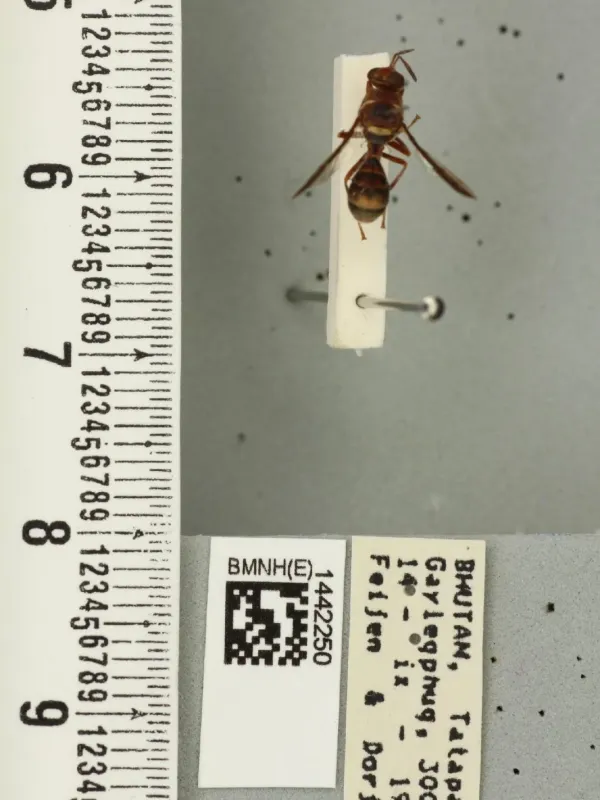
Description
How to identify
The long-horned fruit fly (Dacus longicornis) belongs to the Tephritidae family, also known as fruit flies. It is a significant pest in agricultural sectors, particularly impacting orchards and fruit production.
The species is distinguished by its elongated antennae, which serve as a primary taxonomic feature compared to other members of the genus Dacus.
Adult flies typically display a brownish-yellow body with patterned wings, a common characteristic of tephritid flies used for signaling and camouflage.
The larvae are apodous (legless) and whitish in color, possessing specialized mouthparts designed for feeding within the soft tissues of various fruit hosts.
Females are equipped with a sharp, sclerotized ovipositor used to pierce fruit skin and deposit eggs deep into the flesh, ensuring the survival of the offspring.
What it damages
The primary economic damage is caused by larvae that consume the internal tissues of developing fruits, rendering the produce entirely unfit for human consumption.
Infestation usually leads to premature fruit drop, which causes massive financial losses for growers, especially in regions with high pest pressure.
Larval feeding creates tunnels within the fruit, facilitating the entry of saprophytic bacteria and fungi, which rapidly cause the fruit to decompose on the tree.
The punctures left by the female during oviposition become entry points for secondary pathogens, accelerating spoilage and affecting the cosmetic quality of the fruit.
Dacus species are often subject to strict quarantine regulations globally, as their presence can significantly disrupt trade and export markets for fresh produce.
When it appears
The seasonal activity of the long-horned fruit fly is heavily dependent on the maturation stage of host plants, as flies prefer fruit that is nearing ripeness.
The pest generally overwinters as pupae (puparia) within the soil beneath host plants or occasionally inside mummified, fallen fruit from the previous season.
Adult emergence typically begins when temperatures rise, coinciding with the early development stages of the new fruit crop in the orchard.
The lifecycle duration is temperature-dependent; during the summer months, the metabolic rate increases, allowing for rapid succession of generations.
Multiple generations per year are possible in tropical or temperate climates with long growing seasons, leading to increased population density toward autumn.
Signs of infestation
Small pin-prick marks on the surface of the fruit, often surrounded by a slight discoloration, indicate sites where the female has injected eggs.
Premature ripening or patches of softening skin are classic visual symptoms indicating that larvae have already begun feeding inside the fruit.
Finding internal tunneling, rot, and the presence of white, maggot-like larvae when cutting open a fallen fruit is a definitive sign of infestation.
Monitoring traps, specifically those utilizing yellow sticky cards or species-specific pheromones, may capture adult flies, signaling a need for intervention.
Sudden and widespread fruit drop in an orchard, despite adequate irrigation and care, is often the most noticeable sign of a severe infestation.
Control measures
Rigorous quarantine and inspection programs are essential to prevent the introduction of Dacus longicornis into non-endemic agricultural areas.
Sanitation practices, such as the systematic collection and deep burial of fallen fruit, are crucial to destroy larvae before they reach the pupal stage.
Integrated Pest Management (IPM) incorporates the use of pheromone and food-based attractant traps to monitor population levels and suppress adult numbers.
Chemical control is applied by spraying trees with approved insecticides during the adult flight period, ensuring applications strictly follow pre-harvest intervals.
Biological control initiatives investigate the use of specific parasitic wasps that target larval or pupal stages to naturally limit the fly population in orchards.
Taxonomy
- Latin name
- Dacus longicornis
- Order
- Diptera (flies)
- Family
- Tephritidae
- EPPO code
- DACULN
Discussion
No discussions yet — be the first.