
Fruit fly Dacus axanus
Dacus axanus
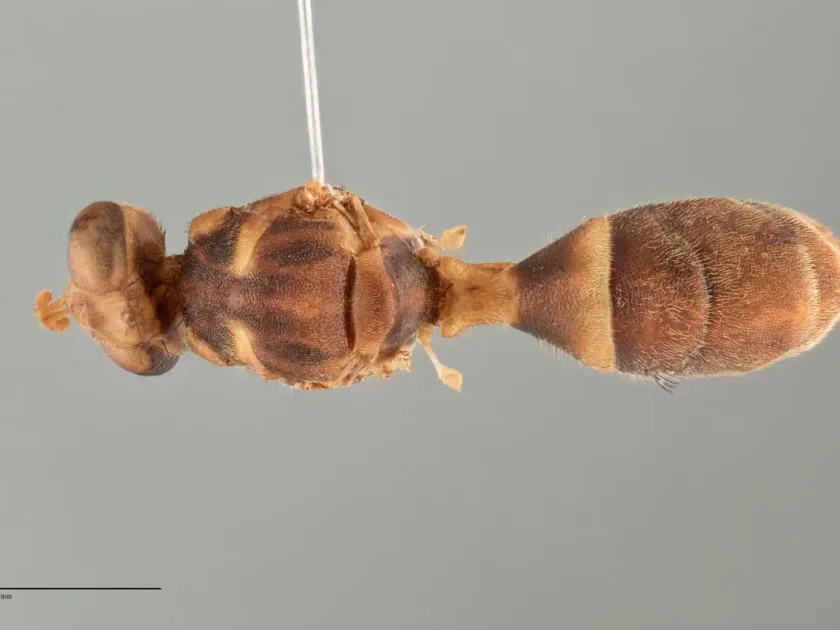
Description
How to identify
Dacus axanus is a member of the Tephritidae family, also known as fruit flies, which includes some of the most significant agricultural pests worldwide.
Adults are small, fly-like insects often characterized by intricate wing patterns and specific body coloration that provides camouflage in orchard environments.
The life cycle encompasses four distinct stages: egg, larva, pupa, and adult. The larval stage is responsible for the internal destruction of fruits.
Identification is highly technical, often requiring morphological examination of genitalia or molecular analysis to distinguish Dacus axanus from related species.
Females possess a specialized ovipositor, a needle-like structure used to puncture fruit skin and deposit eggs deep within the nutrient-rich pulp.
What it damages
This pest primarily affects tropical and subtropical fruit crops, causing severe economic damage to orchards and commercial vegetable production.
Primary hosts include various cucurbits and solanaceous crops, as well as specific tree fruits that provide suitable conditions for larval feeding.
Larval feeding destroys the fruit's interior, causing rapid softening, discoloration, and a total loss of marketability for the damaged product.
Secondary infections from fungi and bacteria typically enter through oviposition punctures, leading to complete fruit rot while still on the tree.
In cases of high infestation rates, entire crop harvests can be lost, posing a significant threat to regional food security and agricultural exports.
When it appears
The activity of Dacus axanus is strongly dictated by climate factors, with population numbers peaking during warm, humid seasons.
Under optimal tropical conditions, this species is capable of completing multiple generations annually, leading to rapid and recurring infestations.
Winter survival is typically achieved through the pupal stage, where the insect remains dormant in the soil under host plants, protected from environmental stress.
Adult emergence in the spring corresponds with the formation of fruit set, providing the necessary hosts for the first generation of the new season.
Monitoring flight patterns is critical for understanding the seasonal migration and timing the necessary interventions to protect the maturing fruit.
Signs of infestation
The most visible sign of an infestation is the presence of small puncture marks on the fruit skin, which are the entry points for the female's ovipositor.
Affected fruits often display localized dark spots, depressions, or softening areas that serve as early indicators of internal larval activity.
Premature ripening and fruit drop are common symptoms, as the internal structure of the fruit is compromised by the feeding larvae.
In advanced stages of damage, the area around the entry point may show signs of fermentation or oozing, attracting secondary pests and molds.
Cutting open a suspected fruit will reveal internal tunnels and white, legless larvae feeding actively within the pulp.
Control measures
Strict phytosanitary regulations are essential to prevent the spread of Dacus axanus through international and domestic trade of infested fruits.
Sanitation practices, such as collecting and disposing of fallen fruit by deep burial, are effective in interrupting the life cycle and reducing pupation sites.
Integrated Pest Management (IPM) strategies, including pheromone trapping, allow growers to monitor population levels and apply targeted control measures.
Chemical control should be applied strategically, targeting the adult stage to prevent oviposition before eggs are introduced into the fruit.
Biological control through the release of parasitoid wasps and other natural enemies is an increasingly important component of sustainable fruit production.
Taxonomy
- Latin name
- Dacus axanus
- Order
- Diptera (flies)
- Family
- Tephritidae
- EPPO code
- DACUAX
Discussion
No discussions yet — be the first.