
Fruit fly Dacus armatus
Dacus armatus
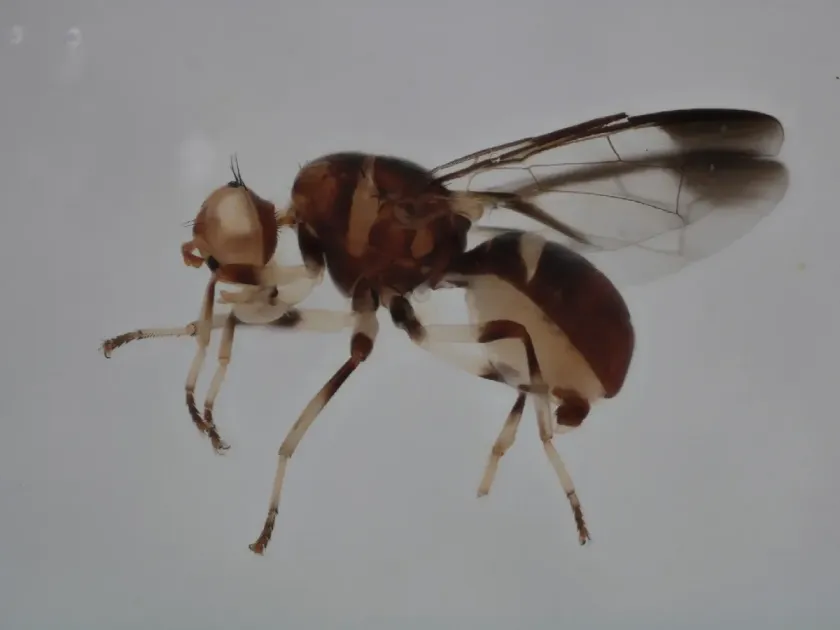
Description
How to identify
The fruit fly Dacus armatus is a species within the Tephritidae family, which is widely recognized for including many significant agricultural pests. The adult fly typically displays features common to the genus, including distinct wing patterns and a structure specialized for egg-laying.
Systematically, this insect belongs to the order Diptera. Its classification is based on morphological characteristics of the head, thorax, and abdominal structures, which are essential for distinguishing it from other closely related species.
Identification often requires expert taxonomic assessment or molecular diagnostic methods, as many Dacus species appear similar to the untrained eye. Key diagnostic features include the wing venation and specific thoracic markings.
The life cycle involves complete metamorphosis, progressing through egg, larval, pupal, and adult stages. The duration of each stage is heavily influenced by ambient temperature and available food resources.
These flies are particularly active during warmer seasons, which align with the ripening periods of their host plants, allowing them to complete multiple generations within a single growing season.
What it damages
This pest targets a range of fruit and vegetable crops, showing a preference for hosts with fleshy, nutrient-rich tissues. It acts as a primary pest in regions where it is endemic or introduced.
Larval feeding causes extensive internal damage to the fruit, as the larvae consume the pulp, leading to rapid tissue breakdown. This internal destruction often leaves the outer skin intact, hiding the infestation.
Female flies cause mechanical damage when piercing the fruit skin to deposit eggs. These puncture marks allow secondary pathogens, such as bacteria and fungi, to enter the fruit, causing rot.
The primary economic impact is the loss of harvest due to fruit drop and the complete unmarketability of infested produce. Even minimal infestation rates can lead to total crop rejection in commercial operations.
The pest's ability to switch hosts allows it to persist in an area throughout the year, provided there is a continuous supply of host fruits available for development.
Signs of infestation
The most noticeable sign of an infestation is the presence of small puncture marks on the surface of the fruit. In some cases, these spots are surrounded by a faint discoloration or slight dimpling.
Upon cutting open an infested fruit, larvae are frequently found feeding in the decaying interior. The internal flesh often appears watery or mushy compared to a healthy fruit.
Premature ripening and fruit drop are common symptoms. Fruits falling to the ground before they reach full maturity should always be inspected for the presence of larvae.
Adult flies can often be seen hovering around fruiting trees, particularly during the early morning or evening hours when the temperature is moderate and they are actively looking for egg-laying sites.
A foul, sour odor emanating from the fruit on the branch is a clear indication that secondary rot has set in due to larval feeding activity.
Control measures
Sanitation is the most crucial cultural control measure. Promptly collecting and disposing of all fallen or infested fruit prevents the larvae from entering the soil to pupate, effectively breaking the pest's cycle.
Pheromone traps are highly effective for both monitoring the presence of the fly and mass trapping males to reduce the mating success of the population.
Biological control, including the release of parasitic wasps or the use of entomopathogenic fungi, can help suppress fly numbers. These methods are preferred for integrated pest management (IPM) strategies.
Chemical control should be used judiciously, targeting the adult stage before they have an opportunity to lay eggs. Always follow strict safety guidelines regarding pre-harvest intervals to ensure safety.
- Regular pruning to increase air circulation and reduce humidity in the canopy.
- Bagging individual fruits to provide a physical barrier against egg-laying.
- Soil cultivation around the base of trees to expose pupae to predators.
- Monitoring trap programs to determine the best timing for intervention.
Taxonomy
- Latin name
- Dacus armatus
- Order
- Diptera (flies)
- Family
- Tephritidae
- EPPO code
- DACURM
Discussion
No discussions yet — be the first.