
Box tree moth
Cydalima
Description
How to identify
The box tree moth (Cydalima perspectalis) is an invasive insect species belonging to the Crambidae family. Originally from East Asia, it has become a severe threat to boxwood (Buxus) species in many parts of the world.
Adult moths typically have white wings with a thick, dark brown border, though some varieties may appear almost entirely dark. They have a wingspan of approximately 40 to 45 mm and are active primarily during the night.
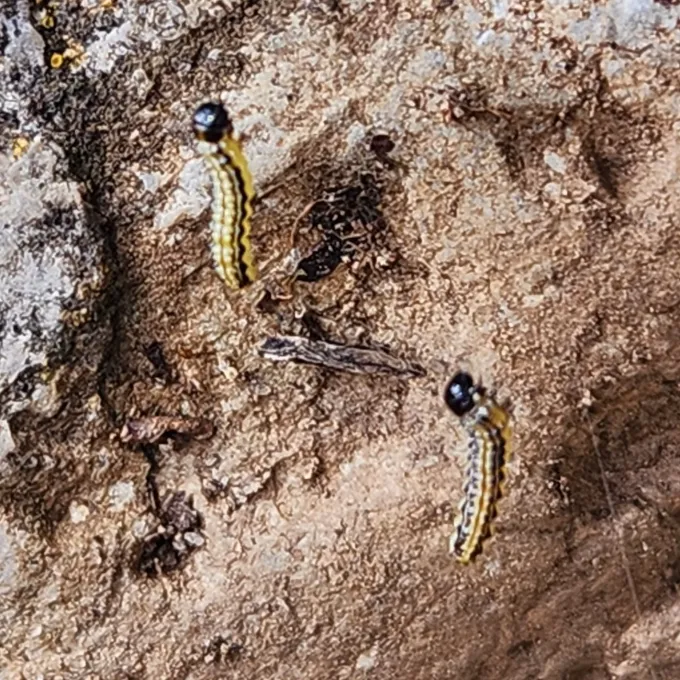
The larvae are the primary damaging stage of this moth. They are yellowish-green at first, eventually developing bold black stripes and white spots along their bodies with a distinct, shiny black head.
This species is highly prolific, completing multiple generations per year depending on the climate. The rapid reproduction cycle allows populations to explode in size over a very short period of time, catching gardeners off guard.
Overwintering occurs at the larval stage, where young caterpillars hide in dense, web-like hibernacula constructed between boxwood leaves. As soon as temperatures rise, they emerge to resume feeding.
What it damages
Boxwood plants are the moth's primary host. The caterpillars feed aggressively on leaves, often stripping a plant completely bare in just a few days if left unmonitored and untreated.
Beyond leaf consumption, the larvae also feed on the green bark of the stems. This girdling effect disrupts the plant's vascular system, leading to the desiccation and death of entire branches or the whole shrub.
The presence of webbing is a hallmark of this pest. Caterpillars produce large amounts of silk webbing that binds foliage together, creating unsightly nests that protect them from predators and environmental stress.
Secondary infections are common following a box tree moth infestation. The damaged tissues and accumulated frass (caterpillar droppings) provide a perfect environment for fungal pathogens, which further weaken the host plant.
The aesthetic damage is total; a healthy, shaped boxwood hedge can be turned into a skeletonized, brown, and lifeless structure in a matter of weeks, necessitating severe pruning or plant removal.
Signs of infestation
Visible silk webbing on the foliage is the earliest sign of an infestation. Gardeners should look for clumps of leaves webbed together, which often house groups of younger larvae.
Skeletonized leaves are another clear indicator. Caterpillars often graze on the leaf tissue, leaving only the veins behind. In advanced stages, entire sections of the plant will appear brown and withered.
Frass, which looks like small, green, dark pellets, can be found underneath the infested branches or caught in the webbing. The accumulation of this waste on the ground is a strong sign of a high population density.
The presence of the moths themselves near the shrubs at night is a sign that egg-laying is occurring. Monitoring these populations can help predict when the next wave of larvae will appear.
Empty pupal cases, often found hidden within leaves or attached to the stems, indicate that the life cycle is well underway and multiple generations have likely already established themselves.
Control measures
Early detection is crucial. Regularly inspecting the center of the boxwood shrubs, where caterpillars first start feeding, is the most effective way to stay ahead of the infestation.
Biological control using Bacillus thuringiensis (Bt) is highly effective and recommended for controlling early-instar larvae while remaining safe for beneficial insects like bees and pollinators.
Chemical intervention with systemic insecticides may be necessary for severe infestations. It is essential to apply the product deep into the dense canopy of the boxwood to ensure contact with the larvae.
Physical removal by hand-picking caterpillars or using high-pressure water jets to dislodge them from the foliage can help reduce the population in smaller gardens or on individual specimens.
Proper plant hygiene, including the removal of dead branches and debris, can limit the availability of hiding spots. Additionally, installing pheromone traps helps monitor adult flight activity and time your treatment efforts.
Taxonomy
- Latin name
- Cydalima
- Order
- Lepidoptera (butterflies)
- Family
- Crambidae
- EPPO code
- CYDASP
Discussion
No discussions yet — be the first.