
Culicoides punctatus
Culicoides punctatus
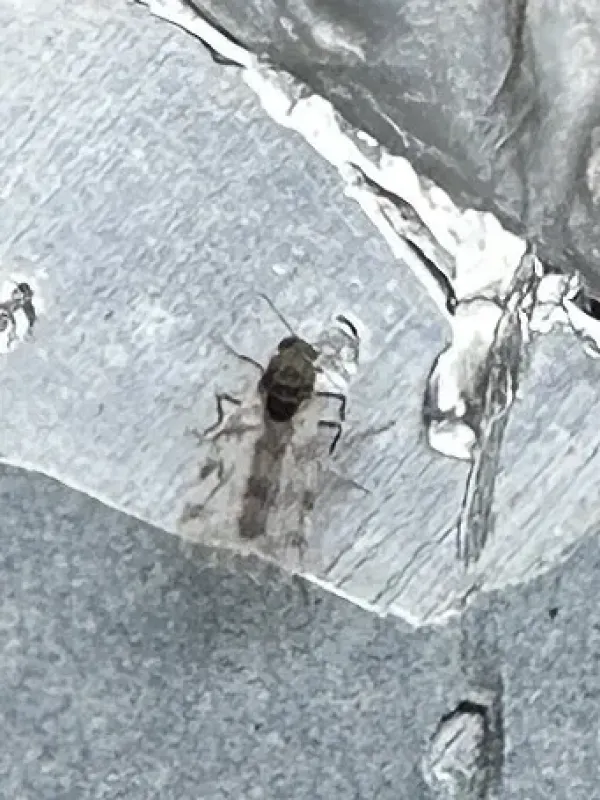
Description
How to identify
Culicoides punctatus is a species of biting midge belonging to the family Ceratopogonidae. They are tiny insects, typically measuring 1 to 3 mm in length.
These midges are distinguished by the specific patterns on their wings, which are visible under magnification and help differentiate them from other species.
The lifecycle includes egg, larva, pupa, and adult stages. Larvae require high humidity and often thrive in damp soil, decaying organic matter, or mud near water sources.
Only the adult females are blood-feeders, as they require protein from blood to develop their eggs. Males feed solely on nectar and do not pose a threat to animals.
They are primarily crepuscular, meaning they are most active during dawn and dusk, seeking hosts for blood meals to ensure the reproduction of the species.
What it damages
The primary concern regarding Culicoides punctatus is its role as a vector for various viral diseases, most notably the Bluetongue virus, which impacts ruminants.
Bites cause intense pruritus (itching) and skin inflammation. Affected livestock experience significant discomfort, leading to stress and reduced appetite.
Economic losses are driven by decreased milk production in dairy cattle and slowed weight gain in livestock intended for meat production.
Chronic infestation can result in hypersensitivity dermatitis, which may lead to open sores susceptible to secondary bacterial or parasitic infections.
The constant annoyance from swarms forces animals to move restlessly, which increases energy expenditure and disrupts natural grazing patterns.
When it appears
The flight activity of adults generally commences in late spring as temperatures consistently remain above the threshold of 10–12°C.
The peak infestation period usually occurs mid-summer, when environmental conditions—specifically humidity and moderate temperatures—are optimal for population growth.
As autumn approaches, activity patterns shift, and the population typically declines, though they may remain active until the first killing frost.
Daily activity is highly sensitive to wind speed; midges prefer calm, windless conditions, often gathering in sheltered areas or near water bodies.
The frequency and intensity of generations within a single season are heavily dependent on rainfall patterns, which create the necessary larval breeding sites.
Signs of infestation
Livestock owners can identify an infestation by observing restless behavior, such as animals stamping their feet, flicking their tails, or rubbing against fences.
Visible skin lesions, such as papules, crusts, or localized swelling, particularly in thin-skinned areas like the udder or belly, are clear indicators of biting activity.
The sudden onset of disease symptoms in a herd, such as fever or mucosal swelling, during midge season strongly suggests the presence of infected vectors.
Large, visible swarms of tiny insects near animal housing or water troughs at dusk are direct evidence of a high population density.
Monitoring traps placed around the farm perimeter can provide objective data on the presence and density of Culicoides punctatus populations.
Control measures
Effective control requires the application of pyrethroid-based insecticides to livestock, often delivered through pour-on solutions, sprays, or ear tags.
Environmental management is crucial: eliminating stagnant water and properly managing manure piles can significantly reduce potential breeding grounds.
- Install fine-mesh screening on barns and housing facilities to exclude midges.
- Implement stall housing during peak activity times at dawn and dusk.
- Use physical barriers or repellents on vulnerable animals.
- Regularly inspect herd health to detect and treat early signs of viral symptoms.
- Apply targeted chemical treatments to identified larval development sites.
Collaborative efforts at a regional level are often necessary to effectively manage midge populations, as they are capable of dispersing over significant distances.
Future management strategies are increasingly focusing on integrated pest management (IPM) to balance chemical use with environmental sustainability and animal welfare.
Taxonomy
- Latin name
- Culicoides punctatus
- Order
- Diptera (flies)
- Family
- Ceratopogonidae
- EPPO code
- CULIPN
Discussion
No discussions yet — be the first.