
Corizus
Corizus
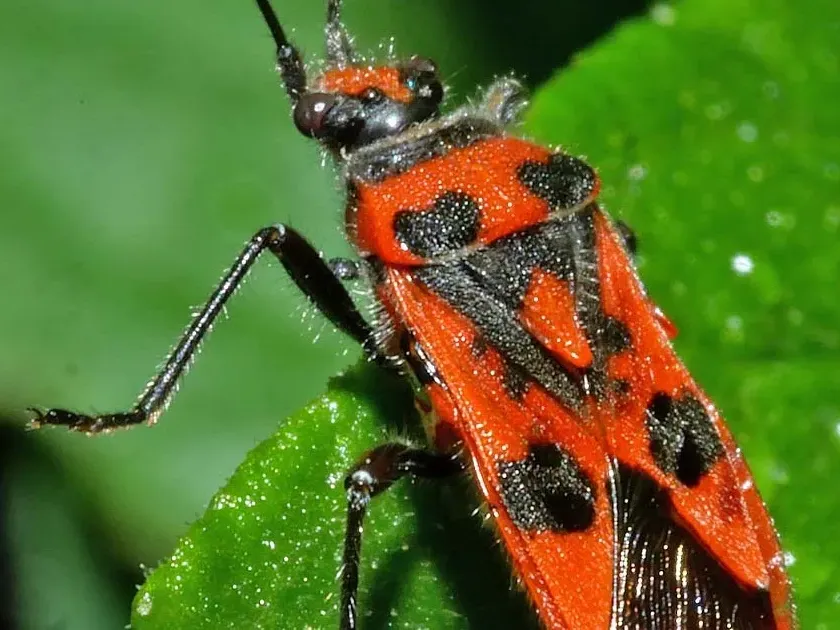
Description
How to identify
Corizus is a genus of insects belonging to the Rhopalidae family, commonly known as scentless plant bugs. These bugs typically measure between 7 to 10 millimeters in length and feature a dull, brownish or reddish-gray color pattern.
Their bodies are somewhat elongated, featuring a well-defined scutellum and distinct punctuation on the pronotum. Their head is relatively small, equipped with a specialized rostrum for piercing and sap-sucking.
Nymphs of the Corizus bug look like miniature, wingless versions of the adults. They often have a lighter coloration, which acts as a camouflage mechanism when they reside on host plants.
Identification often involves examining the specific structure of the antennae and the pronotum. In the field, they are easily recognized by their gregarious behavior on the leaves or stems of their host plants.
The life cycle involves incomplete metamorphosis. Eggs are laid in clusters, primarily on the underside of leaves, and the nymphs undergo several instars before reaching the adult stage.
What it damages
Corizus is a polyphagous pest capable of feeding on a diverse range of herbaceous plants. It shows a preference for various species within the Lamiaceae and Asteraceae families.
Agricultural crops, particularly oilseeds and aromatic plants, can sustain significant damage. Both adults and nymphs contribute to the damage by feeding on plant juices.
The most severe impact occurs when these bugs feed on the reproductive parts of plants, such as flowers and developing seeds, leading to reduced yield and poor crop quality.
In hot and dry weather conditions, Corizus populations can thrive and occasionally spread to young cereal crops when their primary host plants start to desiccate.
Infested plants often display necrotic spots, reduced vigor, and may become susceptible to secondary infections from fungi or bacteria that enter through the feeding punctures.
When it appears
Corizus bugs overwinter as adults in protected locations such as plant debris, leaf litter, or the upper layers of the soil. Emergence typically occurs when spring temperatures rise steadily.
The peak activity and breeding period usually occur from late spring to early summer. This corresponds with the active vegetative stage of most host agricultural crops.
A single generation typically takes about 6 to 8 weeks to complete, depending on environmental temperatures. In favorable climates, two generations may occur within a single season.
They are most active during warm, sunny days, when they are frequently seen moving between host plants to feed. Activity levels decrease significantly during cloudy or cold periods.
In the autumn, before entering diapause for the winter, adult bugs engage in intensive feeding, which may occasionally result in localized damage to late-maturing crops.
Signs of infestation
The most common sign of infestation is the presence of yellow or whitish marks on leaves and stems, which indicate the exact locations where the bugs have pierced the tissue.
Visible wilting or premature drying of flower heads and developing fruit is a strong indicator of bug activity within the crop field.
Stunted plant growth and irregular development of seed heads are secondary signs that indicate a long-term infestation by a colony of Corizus.
A distinct, pungent odor is often emitted by these bugs when disturbed, which can serve as a practical field observation method for detecting their presence.
Quality issues, such as shriveled or lightweight seeds observed at harvest, often trace back to feeding activity that occurred during the crucial stages of plant development.
Control measures
Effective cultural control includes deep autumn plowing to disturb overwintering sites, which significantly reduces the initial population size for the following spring.
Maintaining clean field margins and eliminating weeds within the crop rotation cycle are vital for removing primary alternative hosts and reducing population buildup.
When infestation levels exceed economic thresholds, the application of registered contact or systemic insecticides is necessary to protect the crop.
Encouraging natural predators such as spiders, ground beetles, and parasitic wasps can help maintain population density below damaging levels in integrated pest management programs.
Regular field scouting using sweep nets allows agronomists to determine the exact density of the bugs and the optimal timing for intervention before significant damage occurs.
Taxonomy
- Latin name
- Corizus
- Order
- Hemiptera (bugs, aphids, leafhoppers)
- Family
- Coreidae
- EPPO code
- CORZSP
Discussion
No discussions yet — be the first.