
Acanonicus
Acanonicus
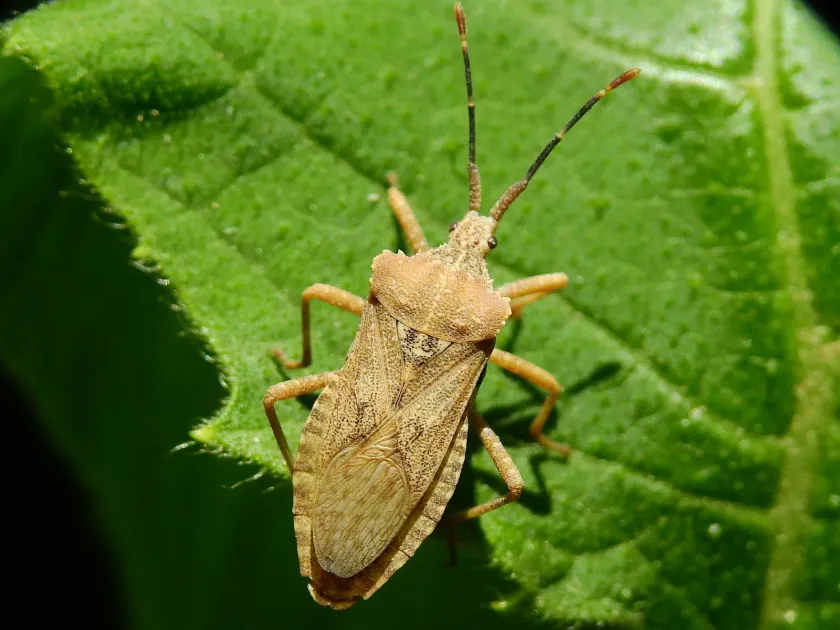
Description
How to identify
Acanonicus is a genus of insects belonging to the Curculionidae family, commonly known as true weevils, within the order Coleoptera. These beetles are characterized by their distinct snout, or rostrum, which is used for feeding and oviposition.
The adult form typically exhibits an oval body shape covered by thick, hardened chitinous plates. Their coloration is generally muted, often appearing in shades of brown or black, providing effective camouflage in soil or bark.
Larvae are legless, curved, and white or yellowish, adapted for feeding inside plant tissues. Identification of the adult beetles often requires close examination of morphological details, such as the shape of the snout and elytral striations.
Due to their small size and cryptic behavior, identifying an infestation in its early stages can be challenging for farmers and agronomists. Specialized monitoring is required to confirm the presence of this specific genus.
Systematic classification within the Curculionidae is complex, and accurate identification is crucial for applying appropriate management protocols in agricultural settings.
What it damages
This pest causes damage to a variety of agricultural and horticultural crops by targeting leaves, stems, and sometimes root systems. The level of damage is directly linked to the population density and the growth stage of the plants.
Larvae are the primary cause of internal damage, as they bore into stems and petioles. This activity disrupts the transport of water and nutrients, eventually leading to plant wilting, stunted development, and reduced yield quality.
Adult beetles contribute to damage by feeding on the foliage, leaving behind small holes or skeletonized leaf patches. This reduces the photosynthetic capacity of the plant and leaves it vulnerable to further stress.
Heavy infestations can result in the loss of entire plants, especially during the seedling stage. The physical damage created by the larvae also facilitates the entry of secondary pathogens, such as fungi and bacteria.
Economic losses are driven by both direct yield reduction and the deterioration of produce appearance, which can be critical for crops destined for fresh markets.
When it appears
The lifecycle of Acanonicus is closely aligned with the phenological cycles of its host plants and seasonal temperature fluctuations. Adult emergence typically coincides with the warming of soil in early spring.
Following mating, females deposit eggs into plant tissues or soil. The larval stage follows, characterized by intense feeding during the warmer months of the year, which serves to build energy reserves for development.
Pupation occurs within the plant tissues or in the surrounding soil, depending on the specific environmental conditions and the host plant type.
As autumn approaches, the insects prepare for hibernation. Adults often find shelter in plant debris, soil crevices, or under organic mulch to survive the winter period.
The number of generations produced per year varies based on regional climate; warmer climates may allow for multiple generations, increasing the pressure on local crops throughout the growing season.
Signs of infestation
The initial signs of an infestation often manifest as small, characteristic feeding holes in the leaf blades caused by adult beetle activity.
Structural damage, such as localized swelling or darkening on the stems, indicates the presence of larvae tunneling inside the plant tissue. These areas often appear necrotic or weakened.
Stunted plant growth and localized wilting, even when soil moisture is adequate, are strong indicators that the internal tissues have been compromised by larvae.
- Chlorotic or yellowing leaves in affected zones.
- Evidence of excrement near feeding sites on leaves.
- Premature dropping of flower buds or fruit.
- Visible tunneling or tissue collapse on stalks.
Dissecting the damaged plant tissue will often reveal the presence of a legless larva, which confirms an active infestation of the pest in the field.
Control measures
Effective management of Acanonicus requires an integrated approach that focuses on preventive cultural practices followed by timely chemical interventions when necessary.
Cultural control methods involve deep tillage in the autumn to disrupt overwintering sites for pupae and adults. Rotating crops regularly is also essential to break the insect's lifecycle.
Chemical control should be applied during the adult flight or feeding period, using registered systemic or contact insecticides. Targeting the adults before they lay eggs is the most effective strategy.
Eliminating nearby weeds and volunteer plants is crucial, as these often serve as secondary hosts for the pest throughout the growing season.
Regular monitoring through visual inspections and the use of insect traps helps in determining the precise timing for treatments, ensuring efficient pest control while reducing unnecessary chemical application.
Taxonomy
- Latin name
- Acanonicus
- Order
- Hemiptera (bugs, aphids, leafhoppers)
- Family
- Coreidae
- EPPO code
- AKONSP
Discussion
No discussions yet — be the first.