
Amblypelta
Amblypelta
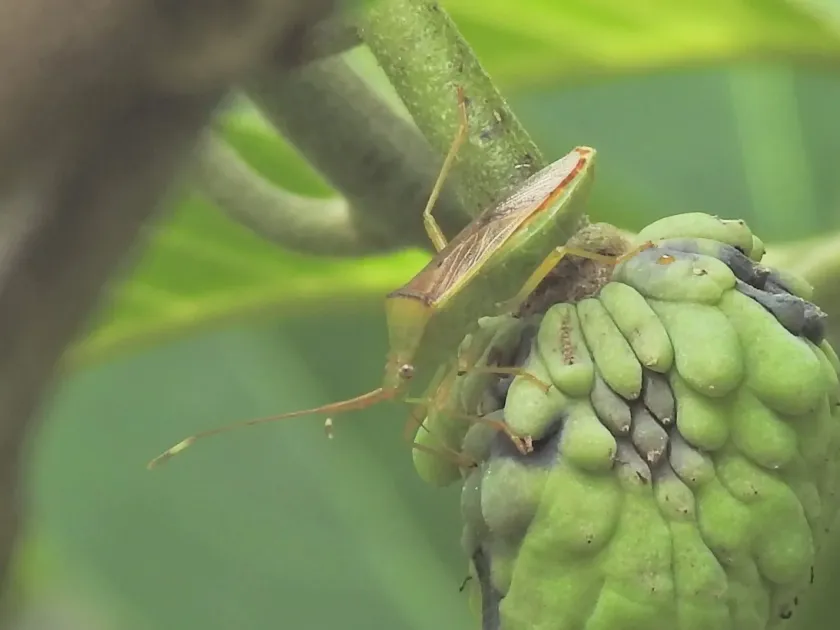
Description
How to identify
Amblypelta is a genus of insects in the family Coreidae, commonly known as leaf-footed bugs. They are widely recognized as significant agricultural pests in tropical and subtropical regions.
The adult bugs are typically medium-sized with slender, brownish bodies. They possess long, piercing-sucking mouthparts designed to feed on the sap and tissues of developing plant organs.
The life cycle of the insect consists of eggs, five nymphal stages (instars), and the adult stage. The nymphs are similar in appearance to adults but smaller and lack fully developed wings.
These insects are elusive, often hiding in the dense canopy of trees during the heat of the day. They prefer feeding on young, nutrient-rich plant parts such as shoots and developing fruits.
Reproductive rates are closely linked to tropical environmental conditions, allowing these bugs to maintain continuous population pressure on host plants throughout the year.
What it damages
Amblypelta causes severe economic damage to important tropical crops, including cocoa, coconut palms, avocado, and various citrus species, often leading to total loss of affected fruits.
The bugs inject toxic saliva into plant tissues while feeding. This causes localized cell death and disrupts the transport of nutrients, leading to the rapid decay of affected plant parts.
Feeding on young fruit or nuts often leads to fruit drop. Even if the fruit remains on the tree, it frequently develops necrotic lesions, scabs, and severe deformities, rendering it unmarketable.
Feeding on tender terminal shoots leads to the death of the growth point, commonly known as "dieback." This stunts the tree's growth and drastically reduces its overall yield potential.
The punctures made by the bugs serve as infection points for secondary pathogens, such as fungi or bacteria, which can cause internal rot and further exacerbate the damage.
Signs of infestation
One of the primary signs of an Amblypelta infestation is the premature shedding of young fruits, which may appear healthy externally but show internal necrotic spots.
Visible punctures and sunken dark lesions on the surface of developing fruits or pods are classic indicators of bug feeding activity on the plantation.
Terminal dieback is frequently observed, where the tips of new shoots turn black, wither, and eventually drop off, affecting the architecture of the tree canopy.
The presence of nymphs or adults clustered on young leaves, flower stalks, or developing fruit during dawn or dusk is a direct sign of active pest presence.
Small, irregular brown marks on the shells of coconuts or the skin of avocados can indicate previous feeding sites that have healed into permanent scars.
Control measures
Chemical control involving the targeted application of insecticides is often necessary, especially when nymph populations are high during the vulnerable growing season.
Cultural management, such as the pruning and destruction of infested shoots and branches, helps in removing breeding sites and reducing the local population of the pest.
Biological control methods are increasingly popular, including the introduction or encouragement of predatory ants that are known to hunt and consume Amblypelta nymphs.
Regular monitoring using pheromone or light traps allows farm managers to track population spikes and apply treatments only when necessary, minimizing costs and environmental impact.
Stringent quarantine measures for the movement of nursery stock are essential to prevent the introduction of this pest into new, uninfected growing areas.
Taxonomy
- Latin name
- Amblypelta
- Order
- Hemiptera (bugs, aphids, leafhoppers)
- Family
- Coreidae
- EPPO code
- AMBPSP
Discussion
No discussions yet — be the first.