
Acanonicus hahni
Acanonicus hahni
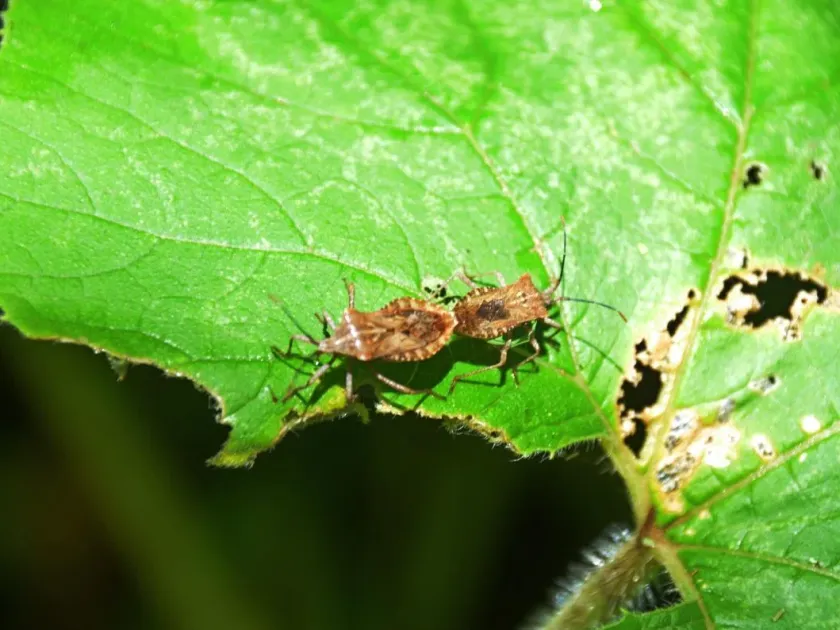
Description
How to identify
Acanonicus hahni is a species of beetle belonging to the order Coleoptera and the family Curculionidae (weevils). These insects are distinguished by their specific snout shape and body coloring, which serves as camouflage within their natural habitat.
Adult beetles possess a robust exoskeleton, often covered with fine scales that blend into the texture of stems and leaves. Their body size is typical for the family, with a streamlined, elongated oval shape that aids in navigating through dense vegetation.
The biology of this species is closely tied to specific host plants where they complete their life cycle. The development is holistic, moving through egg, larval, pupal, and adult stages, often with the larval phase occurring deep within the roots.
Lifecycle timing is heavily influenced by regional climate and the phenology of the host crops. They typically overwinter in the soil or in plant debris, emerging when favorable temperatures and moisture levels stimulate plant growth.
Reproduction takes place in the spring and summer. Females deposit eggs in the soil near the root crown, ensuring that newly hatched larvae have immediate access to the primary food source required for their development.
What it damages
Acanonicus hahni infests a variety of herbaceous plants, specifically favoring those with substantial root structures. Major economic damage is frequently reported in forage grass fields and various vegetable crop systems.
Adult feeding involves consuming leaf tissue, often creating distinctive notches along the margins. While this damage is rarely fatal on its own, it significantly weakens the plant, reducing its photosynthetic efficiency and overall biomass production.
Larval feeding is the most destructive phase, as they inhabit the soil and feed directly on the root system. This feeding behavior disrupts the uptake of essential nutrients and water, often leading to stunted plant growth.
In severe infestations, the destruction of secondary roots leads to widespread wilting and plant mortality, causing uneven crop stands and significant yield loss in agricultural settings.
The wounds created by larval activity also serve as entry points for secondary pathogens, such as root rot fungi and bacteria, which can cause total decay of the root system under high humidity conditions.
Control measures
Management of this pest relies on an Integrated Pest Management (IPM) approach that combines cultural practices, chemical interventions, and biological control methods. Preventive strategy is the first line of defense.
Deep autumn plowing is a highly effective cultural method as it disrupts the soil habitat, exposing larvae and pupae to extreme weather conditions and increasing predation by birds and other beneficial fauna.
Chemical control involving the application of registered insecticides is recommended when population thresholds are exceeded. Applications are most effective during the migration period of adult beetles to minimize future egg-laying.
Biological control options, such as applying entomopathogenic fungi or nematodes to the soil, provide a targeted and environmentally friendly way to reduce larval populations without harming non-target beneficial species.
Ongoing monitoring of fields using soil sampling and pitfall traps is essential for tracking population dynamics and determining the precise timing for intervention, ensuring that control measures are deployed efficiently.
Taxonomy
- Latin name
- Acanonicus hahni
- Order
- Hemiptera (bugs, aphids, leafhoppers)
- Family
- Coreidae
- EPPO code
- AKONHA
Discussion
No discussions yet — be the first.