
Coriomeris
Coriomeris
Description
How to identify
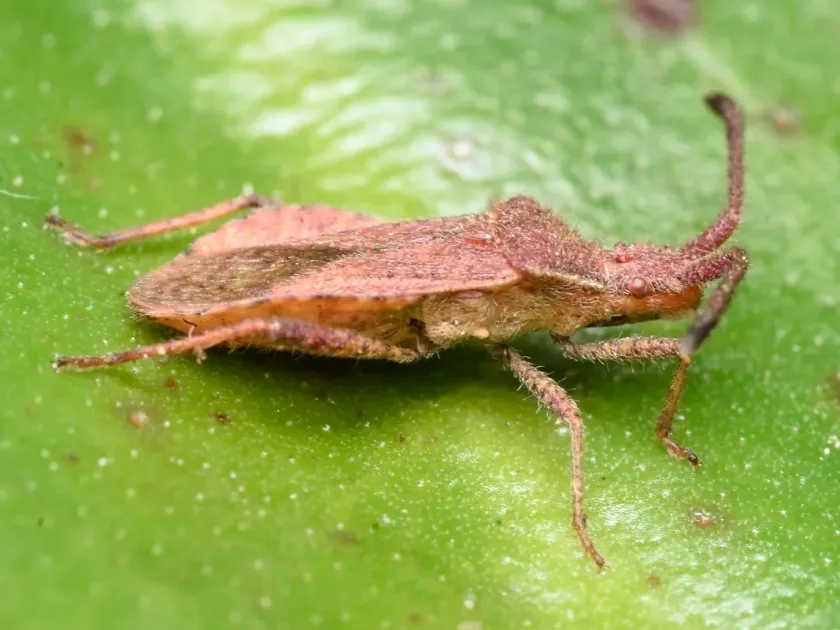
Coriomeris is a genus of insects within the family Coreidae, commonly known as leaf-footed bugs or squash bugs. These insects are distinguished by their oval-shaped, somewhat flattened bodies, which are frequently covered in fine, hair-like setae or small spines.
The coloration of these bugs typically ranges from brownish to grayish, providing excellent camouflage against dry soil and withered plant stems. Their heads are relatively small, equipped with prominent eyes and four-segmented antennae.
A key morphological characteristic used for identification is the structure of the pronotum, which often displays serrated or denticulate edges. The overall texture of the body is often granular, helping to differentiate them from other closely related coreids.
Nymphs undergo several instars, appearing as smaller, wingless versions of the adults. Throughout their development, they gradually acquire adult characteristics, following a process of incomplete metamorphosis.
Identification at the species level often requires detailed examination of the male genitalia and specific patterns of pubescence. They are widely distributed across various habitats but are most commonly found in open, grassy environments.
What it damages
Coriomeris bugs feed on plant sap using their piercing-sucking mouthparts. By inserting their stylets into plant tissues, they inject digestive enzymes that break down cell contents, causing significant physiological stress to the host plant.
Their host range primarily includes legumes and various wild grasses. Infestations are particularly problematic in clover and alfalfa fields, where the bugs feed on both foliage and reproductive structures.
Damage to flowers and developing seeds is highly detrimental, often leading to reduced seed set, shriveled grains, and overall lower yield quality. The introduction of saliva into the plant also causes necrosis and localized tissue death.
Plants under attack often show signs of chlorosis and stunted growth. In severe cases, especially during hot and dry spells, the plant's ability to transport nutrients is compromised, leading to premature wilting or branch dieback.
The economic impact of Coriomeris is largely dependent on population density. While low numbers might be tolerable, high-density infestations in forage crops can lead to measurable losses in biomass and nutritional value.
When it appears
Adult Coriomeris bugs typically emerge from overwintering sites in early spring as soon as temperatures become favorable. They immediately begin feeding and searching for suitable host plants to initiate the breeding cycle.
The peak activity period usually occurs during the summer months, coinciding with the growth and development of nymphs. This is the stage when the population density reaches its maximum and feeding activity is most intense.
The number of generations per year can vary based on regional climatic conditions, with warmer climates potentially supporting two generations. Development is generally faster in warm, dry weather.
As autumn approaches and temperatures drop, adults seek out protected locations for hibernation. They typically overwinter in leaf litter, debris, or the upper layers of the soil, remaining inactive until the following spring.
This overwintering period is crucial for the bug's lifecycle. Environmental conditions during the winter months, such as excessive moisture or extreme cold without snow cover, can significantly influence the following year's population.
Signs of infestation
Visible signs of infestation often include yellow or white necrotic spotting on leaves where the bugs have fed. Over time, these spots can enlarge, leading to leaf distortion or premature senescence.
The presence of the bugs themselves is a definitive sign. During daylight hours, they can often be found resting on the underside of leaves, stems, or within the flower heads of host plants.
Damage to developing seeds or pods is a tell-tale sign of late-season activity. Affected pods may show shriveling or small puncture wounds, resulting in poor-quality seeds that have low germination potential.
General unthriftiness or wilting of the crop, despite adequate irrigation, may indicate the presence of sap-sucking insects. This is often accompanied by a lack of vigor and delayed maturity in the affected area.
Secondary symptoms may include the appearance of fungal pathogens on the damaged plant parts, as the feeding wounds create entry points for opportunistic infections.
Control measures
Integrated Pest Management (IPM) for Coriomeris starts with cultural practices. Proper crop rotation is essential to prevent the buildup of pest populations in fields dominated by susceptible legumes.
Sanitation practices, such as removing field weeds and clearing crop residues after harvest, are highly effective in reducing overwintering habitats and limiting the number of bugs that survive until the next season.
Chemical control should be considered only when scouting indicates that the economic injury level has been exceeded. Systemic insecticides are generally effective at controlling both adults and nymphs.
Monitoring using sweep nets is a reliable method to determine the density of the pest. Early detection allows for targeted treatments, which minimizes the overall reliance on broad-spectrum pesticides.
Encouraging natural predators, such as spiders, predatory bugs, and parasitic wasps, plays a vital role in maintaining the balance of the ecosystem and suppressing the population of Coriomeris naturally.
Taxonomy
- Latin name
- Coriomeris
- Order
- Hemiptera (bugs, aphids, leafhoppers)
- Family
- Coreidae
- EPPO code
- CRMISP
Discussion
No discussions yet — be the first.