

Description
How to identify
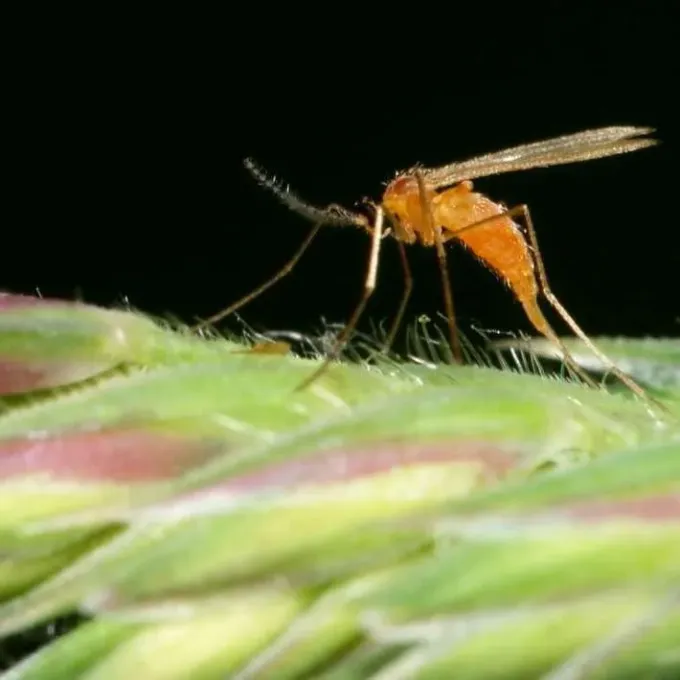
The raspberry cane midge (Contarinia rubicola) is a small dipteran insect belonging to the family Cecidomyiidae. The adult is a delicate, tiny midge, roughly 2 mm long, which often goes unnoticed in a garden setting.
Its life cycle is closely tied to the raspberry growing season. Adult females lay their eggs in the cracks of young canes, which provide a safe haven for the emerging larvae.
The larvae are typically whitish to pale yellow and feed within the succulent tissues of the raspberry canes, causing internal damage that is often invisible from the outside initially.
Overwintering occurs as larvae in the soil or within old stems, waiting for the warmer temperatures of late spring to begin their transformation into pupae and then adults.
Multiple generations can emerge throughout the summer, meaning that a raspberry plantation can be under constant threat if the pest population remains unchecked.
What it damages
This pest specifically targets raspberries, focusing on the current year's shoots. It is considered a significant threat to both commercial berry production and home gardening.
The primary damage is caused by the larvae feeding under the cane epidermis, which disrupts the vascular system and prevents the transport of water and nutrients.
This weakening makes the canes highly susceptible to infection by various fungal pathogens, which then exacerbate the decline of the plant, often leading to secondary infections.
Stems damaged by the midge are prone to snapping in windy conditions. This breakage effectively kills the top portion of the cane, resulting in direct loss of fruit yield.
Severe infestations can lead to the total loss of the year's cane growth, forcing growers to prune or remove entire sections of the patch to protect the rest of the plantation.
When it appears
Adult midges typically emerge from late May to early June, aligning their life cycle with the rapid development of new primocane growth in raspberries.
The peak activity period usually coincides with the flowering stage, providing the insects with ample opportunities to lay eggs on the newly formed, soft stems.
During the summer months, overlapping generations make the pest active for a prolonged period, creating a persistent challenge for raspberry growers.
As autumn approaches, the late-season larvae migrate into the soil for hibernation, entering a state of diapause to survive the winter temperatures.
Warm, humid weather conditions throughout the early summer are ideal for the rapid development of the midge, leading to population explosions in neglected patches.
Signs of infestation
Initial signs of infestation often appear as subtle swellings or elongated galls on the lower sections of the raspberry canes.
The bark of the cane may show discolouration, becoming darker or developing necrotic spots where the larvae have been actively feeding on the tissue.
Affected plants often display signs of general decline, such as yellowing leaves or a stunted appearance, as they struggle to maintain growth.
A closer inspection by peeling back the epidermis in the affected area will reveal the larvae and the internal tunneling they have created within the stem.
If the canes are fragile and break easily under slight pressure, this is a major indicator that the midge has compromised the structural integrity of the plant.
Control measures
The most effective strategy is a combination of cultural practices, starting with the prompt removal and burning of any infested canes found during routine monitoring.
Maintaining a clean patch by removing old plant debris and mulching the soil can significantly interfere with the midge's ability to complete its life cycle.
Chemical control, when necessary, should be timed accurately to target the adult stage before egg-laying occurs, usually through systemic insecticides.
Using certified healthy nursery stock is essential to prevent the introduction of the pest into a new or established raspberry patch.
- Routine inspection of young canes for signs of swelling.
- Sanitary pruning of infested stems down to ground level.
- Systemic insecticide treatments applied during flight periods.
- Soil cultivation in autumn to disrupt pupation sites.
Content graph
Connections · Raspberry cane midge
Most often together:
Marketplace
Products · 1
Biology
Taxonomy
- Latin name
- Contarinia rubicola
- Order
- Diptera (flies)
- Family
- Cecidomyiidae
- EPPO code
- CONTRU
Community
Discussion
No discussions yet — be the first.