
Compsilura concinnata
Compsilura concinnata
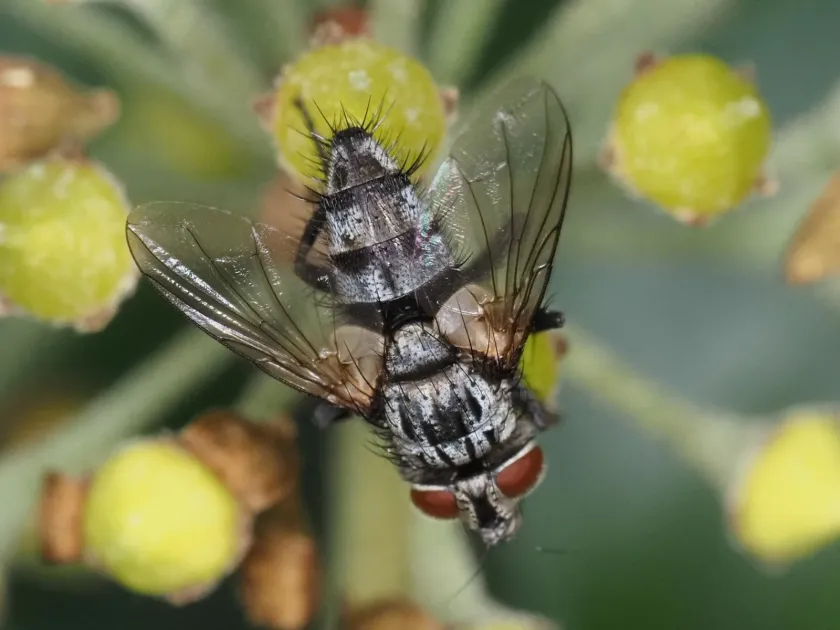
Description
How to identify
Compsilura concinnata is a notable species of parasitic fly belonging to the family Tachinidae, order Diptera. Unlike many other insects, this species is recognized for its status as a generalist parasitoid, capable of attacking a wide array of hosts.
Adult flies possess a morphological structure typical of tachinids, characterized by a robust body and heavy, bristle-like setae on the abdomen. These physical features assist the fly in locating and firmly gripping its host during the act of oviposition.
The reproduction strategy is highly specialized. The female uses a piercing ovipositor to inject larvae directly into the body of the host caterpillar, which allows the parasite to bypass external host defenses.
The larval stage consists of three instars, during which the parasite consumes the internal tissues of the host. After completing development, the larva emerges from the carcass to pupate in the soil.
Its biological plasticity is a key factor in its widespread distribution, as it successfully survives across various habitats, from forests to intensive agricultural plantations.
What it damages
The economic impact of Compsilura concinnata is dual-natured. While it effectively manages populations of agricultural pests, it also poses a risk to non-target lepidopteran species, including beneficial pollinators and rare butterflies.
Because it is a generalist, it parasitizes over 200 species of Lepidoptera. This includes major agricultural pests, but the fly does not distinguish between these pests and beneficial species, which can lead to unintended ecological disruptions.
In many regions, its introduction as a biological control agent has had lasting consequences on local insect populations. It can outcompete indigenous parasitoid species, fundamentally altering the local predator-prey dynamics.
For farmers, this means that while pest outbreaks might be naturally suppressed, there is a risk of losing key pollinating insects or species that provide other ecosystem services.
The cumulative damage to biodiversity is often a subject of study, as the reduction of native butterfly populations can have long-term cascading effects on the health of the entire local agricultural ecosystem.
When it appears
The seasonal cycle of the fly is closely synchronized with the phenology of its host species. Activity begins in the spring when temperatures rise, allowing adult flies to start their search for larval hosts.
Typically, the species completes multiple generations within a single growing season. The number of generations is highly dependent on the availability of hosts and the prevailing thermal conditions of the environment.
Mid-summer is usually the period of peak infestation. During this time, high levels of parasitism can be observed in caterpillar populations, which often leads to a rapid decline in pest numbers in affected fields.
As autumn approaches, the flies prepare for winter by transitioning into the puparial stage. These puparia remain dormant in the soil, protected from the cold by the insulating layer of vegetation or leaf litter.
Temperature fluctuations in early spring play a critical role in the emergence of the next generation of adults, making the winter survival rate a decisive factor in population dynamics for the upcoming season.
Control measures
Managing Compsilura concinnata is rarely a primary objective, as it is often considered a beneficial biological agent that helps keep pest numbers in check without human intervention.
To preserve the positive effects of this parasitoid, it is recommended to practice judicious pesticide use. Broad-spectrum insecticides should be avoided, especially when the fly is active, to protect its population.
Integrated Pest Management (IPM) strategies should account for the presence of this fly. If natural suppression is sufficient, additional chemical controls might be unnecessary and potentially harmful to the ecosystem balance.
Monitoring is essential for assessing the activity level of the parasite. By tracking the percentage of parasitized caterpillars, producers can make informed decisions about whether intervention is truly required.
- Implement buffer zones to conserve habitats where adults forage for nectar.
- Choose selective pesticides that minimize harm to natural parasitoid populations.
- Incorporate seasonal monitoring of host infestation rates to assess biocontrol efficacy.
Taxonomy
- Latin name
- Compsilura concinnata
- Order
- Diptera (flies)
- Family
- Tachinidae
- EPPO code
- COMICO
Discussion
No discussions yet — be the first.