
Alophora hemiptera
Alophora hemiptera
Description
How to identify
Alophora hemiptera is a species of tachinid fly (family Tachinidae) known for its distinct morphology and parasitic lifestyle.
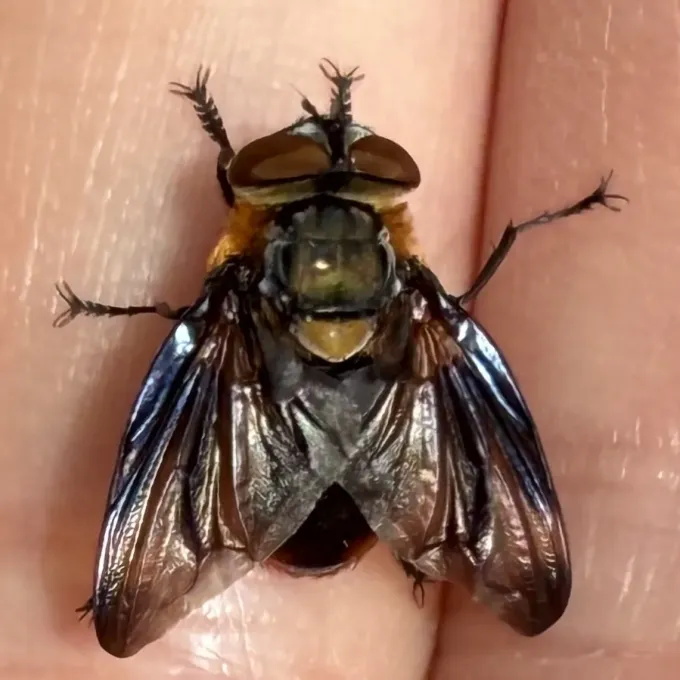
Adult flies possess a broad, often colorful abdomen, which serves as a form of mimicry, making them look somewhat like true bugs (Heteroptera).
The wings often feature smoky patterns, and the thorax is covered in stiff, coarse bristles which are characteristic of many tachinids.
These flies are generally diurnal and are frequently found in meadows, gardens, and agricultural landscapes where they seek nectar.
To identify the species correctly, one must examine the specific patterns of the wing venation and the arrangement of macrochaetae on the thorax.
What it damages
The species is not a pest to plants as it does not consume leaves, roots, or any other plant tissues throughout its life cycle.
Instead, Alophora hemiptera functions as an endoparasitoid, primarily targeting bugs from the family Pentatomidae.
The adult female deposits an egg onto the host, and the resulting larva develops internally, consuming the host's body and eventually killing it.
This biological interaction makes the fly a natural regulator of bug populations in various crop and wild plant habitats.
Its impact is strictly ecological and regulatory, rather than causing direct economic damage to agricultural yields.
When it appears
Adults are typically active during the warm summer months, with activity peaks often occurring from June through August.
The life cycle is closely linked to the availability of the target host species, which often proliferate during the mid-summer period.
The fly undergoes a complete metamorphosis, with the pupal stage typically taking place in the soil or under leaf litter.
Winter diapause occurs at the pupal stage, allowing the insect to survive harsh temperatures in a state of metabolic rest.
Spring emergence is triggered by warming soils and rising temperatures, marking the beginning of the annual cycle.
Signs of infestation
The presence of this insect is best identified by observing the adult flies resting on flowers such as Umbelliferae or Compositae.
One may notice host bugs acting sluggish or showing signs of decline before mortality, which is a common indicator of parasitism.
Eggs deposited on the exoskeleton of the host are sometimes visible, though they are quite small and easily overlooked.
A noticeable reduction in the population density of local bug species in certain areas can be a secondary sign of successful parasitism.
Field monitoring using yellow sticky traps or sweep netting can confirm the fly's presence in a specific agricultural site.
Control measures
As a beneficial natural enemy, active control measures against Alophora hemiptera are generally unnecessary and counter-productive.
To support its population, it is crucial to maintain habitat diversity, including field margins and hedgerows with flowering plants.
Reduction in the usage of broad-spectrum insecticides is the most effective way to preserve this tachinid fly population in farming areas.
Practicing soil conservation helps protect pupae during the overwintering period, ensuring a stronger presence of flies in the next season.
Integrating biological control strategies minimizes the need for chemical intervention, thereby maintaining the natural balance within the ecosystem.
Taxonomy
- Latin name
- Alophora hemiptera
- Order
- Diptera (flies)
- Family
- Tachinidae
- EPPO code
- ALPRHE
Discussion
No discussions yet — be the first.