
Coccobius
Coccobius
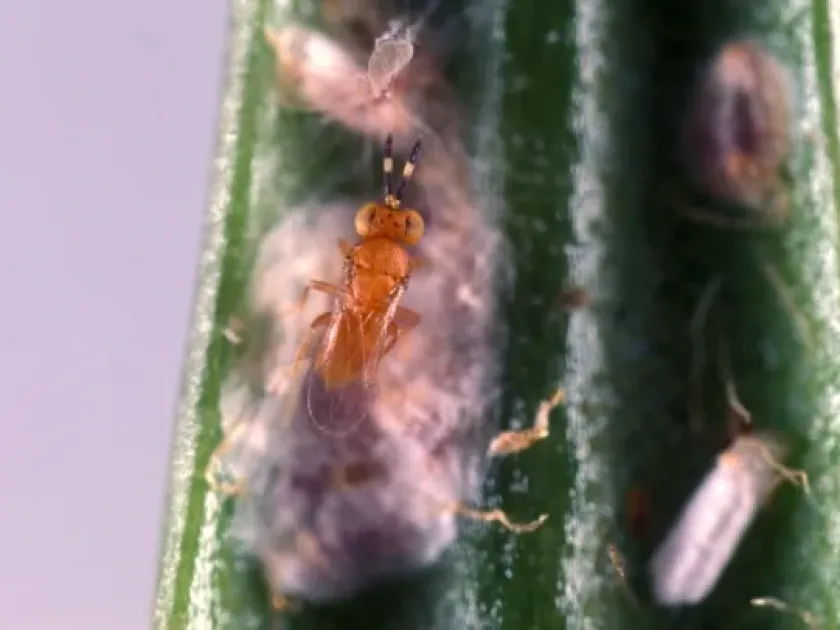
Description
How to identify
Coccobius is a genus of parasitic wasps belonging to the family Aphelinidae, which are highly specialized parasitoids of various scale insects (Coccoidea).
These wasps are minute, often less than 1 mm in length, and possess a delicate structure that allows them to navigate within the protective shields of their hosts.
Taxonomically, the genus is well-recognized for its role in natural regulation, with many species historically associated with the former genus Aspidiotiphagus.
Their life cycle is highly specialized: females deposit eggs into the body of the host, where the larva develops, eventually consuming the host from the inside.
Due to their small size and high mobility, they are capable of locating low-density host populations, making them essential for long-term ecological balance.
What it damages
Coccobius is not a plant pest; rather, it is a beneficial insect that provides essential biological control services to agriculture and horticulture.
They target detrimental scale insects, including species like the San Jose scale, which cause significant damage by extracting plant sap and weakening the host trees.
By controlling scale populations, Coccobius prevents the transmission of plant diseases and the development of sooty mold often associated with scale insect excretions.
Their presence helps maintain orchard health and reduces the need for synthetic insecticide applications, contributing to more sustainable farming practices.
In various ecosystems, these wasps are primary agents in preventing outbreaks of sap-sucking insects that could otherwise lead to tree decline.
When it appears
The activity of Coccobius is closely synchronized with the phenology of their scale insect hosts, beginning in early spring as temperatures rise.
Population levels typically peak during the summer months when host densities are highest, providing ample resources for the wasp's reproductive cycle.
These parasitoids can complete multiple generations within a single growing season, allowing them to rapidly respond to shifts in host population dynamics.
They overwinter as larvae inside the carcass of the host, remaining protected under the scale covering until the following spring.
Maintaining a stable environment throughout the season is crucial for their survival, particularly by avoiding insecticide exposure during their peak flight periods.
Signs of infestation
The most reliable sign of Coccobius activity is the presence of tiny, circular exit holes in the dorsal surface of scale insect shields.
Close observation of tree bark or foliage with a magnifying glass may reveal the presence of adult wasps patrolling the surfaces for hosts.
A noticeable decline in the number of healthy, active scale crawlers, combined with an accumulation of dead or empty shields, is a clear indicator of successful parasitism.
Orchards with well-established populations of these parasitoids show cleaner bark and fewer symptoms of stress caused by heavy scale infestations.
The lack of significant scale insect outbreaks despite favorable weather is a strong indirect indicator of effective biological control by Coccobius.
Control measures
Effective management strategies for Coccobius focus on conservation and augmentation rather than eradication, promoting an Integrated Pest Management (IPM) approach.
Avoidance of broad-spectrum insecticides is critical, as these agents can be highly toxic to beneficial parasitoids and disrupt natural control systems.
Enhancing habitat diversity by planting flowering strips near orchards provides adult wasps with necessary nectar and pollen for survival and longevity.
When chemical intervention is required to manage other pests, choosing selective products that have minimal impact on parasitoids is the recommended practice.
Monitoring both pest and beneficial populations allows for informed decision-making, ensuring that biological control agents are protected during their most active stages.
Taxonomy
- Latin name
- Coccobius
- Order
- Hymenoptera
- Family
- Aphelinidae
- EPPO code
- CCCBSP
Discussion
No discussions yet — be the first.