
Aphelinus asychis
Aphelinus asychis
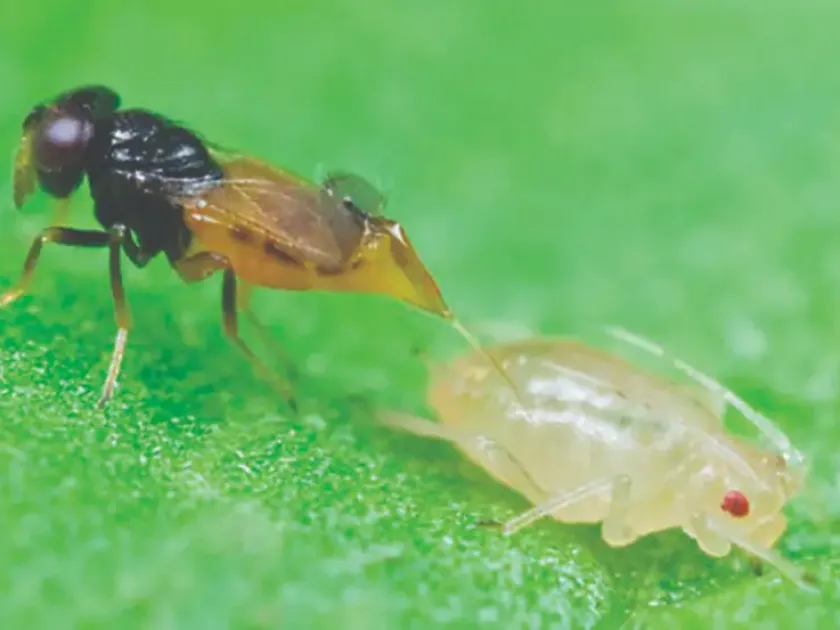
Description
How to identify
Aphelinus asychis is a small parasitic wasp belonging to the order Hymenoptera and the family Aphelinidae, widely recognized for its role as a biocontrol agent.
Adult wasps are typically 1.0 to 1.5 mm in length, featuring a dark body and transparent wings with specific vein patterns that characterize this genus.
The insect possesses a specialized ovipositor which the female uses to puncture the cuticle of an aphid and deposit a single egg inside the host's body.
The larva develops internally, consuming the aphid's tissues, which ultimately leads to the death of the aphid and the formation of a characteristic mummy.
Due to their minute size, these insects are difficult to spot in the field without using specialized equipment like hand lenses or microscopes to identify them.
What it damages
It is crucial to clarify that Aphelinus asychis is not a plant pest; rather, it is a highly beneficial parasitoid wasp that helps suppress aphid populations.
The species targets various aphid groups, including cereal and vegetable aphids, which are known to cause significant economic damage to crops worldwide.
By parasitizing aphids, the wasp acts as a natural regulator, significantly reducing the density of pest colonies in wheat, barley, and various greenhouse crops.
Their activity helps minimize the transmission of viral diseases that aphids often vector to healthy plants, thereby safeguarding overall crop health and vigor.
Using this parasitoid is a cornerstone of sustainable agricultural practices, as it provides an alternative to heavy reliance on broad-spectrum chemical insecticides.
When it appears
The lifecycle and seasonal activity of Aphelinus asychis are highly dependent on environmental variables, primarily temperature and host availability.
They emerge in the spring once temperatures are consistently warm enough to support flight and the active searching of aphid colonies for parasitization.
Multiple generations can occur throughout the growing season, with the rate of development accelerating during warmer summer months when aphid populations peak.
These wasps are capable of rapidly building up their numbers to match the population growth of their hosts, ensuring effective suppression over the season.
As autumn approaches and temperatures decline, they enter a dormant state or overwinter, ensuring the survival of the population until the next season begins.
Signs of infestation
The presence of mummified aphids is the most reliable indicator of successful activity by Aphelinus asychis within a crop field.
These mummies can be easily distinguished from healthy aphids by their dark, bronzed, and hardened appearance, often found firmly attached to the leaves.
Close inspection reveals a tiny circular exit hole on the dorsal side of the mummy, which is the physical evidence that an adult wasp has emerged.
A noticeable decline in the number of live, reproducing aphid colonies over several weeks indicates effective biological control by the parasitic wasps.
Reduced levels of honeydew and the subsequent lack of sooty mold growth on leaves also suggest that aphid populations are being successfully managed.
Control measures
To encourage the proliferation of Aphelinus asychis, it is essential to maintain a habitat that supports the survival and reproduction of these beneficial insects.
Reducing the use of broad-spectrum pesticides is necessary to protect the wasp populations, as they are highly sensitive to most chemical treatments.
Intercropping or maintaining field margins with flowering plants can provide nectar resources for adult wasps, thereby increasing their longevity and fecundity.
In controlled environment agriculture, mass-reared individuals can be released strategically to preemptively manage aphid outbreaks in greenhouses.
- Implement Integrated Pest Management (IPM) to preserve natural enemies.
- Monitor aphid mummies as a metric for biological control success.
- Avoid chemical applications during the peak flight period of the wasps.
- Prioritize selective biopesticides if chemical control becomes unavoidable.
Taxonomy
- Latin name
- Aphelinus asychis
- Order
- Hymenoptera
- Family
- Aphelinidae
- EPPO code
- APHEAS
Discussion
No discussions yet — be the first.