
Aphelinus
Aphelinus
Description
How to identify
Aphelinus is a genus of minute parasitic wasps belonging to the family Aphelinidae within the order Hymenoptera. These tiny insects are critical natural enemies in many agricultural ecosystems.
Adults typically measure between 1 to 2 millimeters in length. They are generally dark-colored, often exhibiting subtle yellow or brown markings on the thorax or abdomen.
They are endoparasitoids, meaning their larvae develop inside the bodies of their hosts. Their primary targets are various species of aphids, which they effectively suppress through parasitism.
Unlike agricultural pests, these wasps are valuable allies to farmers, contributing significantly to the reduction of pesticide dependence in orchards and fields.
Recognizing Aphelinus requires close inspection of aphid colonies, as their size makes them difficult to spot without magnification or specialized knowledge.
What it damages
Aphelinus species do not cause any damage to crops. They are not pests; they are specialized predators/parasitoids that target aphids, which are the real threat to plants.
The larva of the wasp consumes the internal tissues of the aphid, eventually killing the host. This behavior makes them exceptionally effective at controlling aphid infestations.
For example, Aphelinus mali is widely recognized for its efficacy in controlling the woolly apple aphid, a major pest of apple trees worldwide.
By preventing aphid populations from reaching damaging levels, these wasps protect the structural integrity and health of fruit trees and other vegetation.
Their presence is a hallmark of a balanced and healthy agricultural environment, where natural regulatory mechanisms are successfully functioning.
When it appears
The seasonal activity of Aphelinus is closely synchronized with the life cycle of the aphids they parasitize. They emerge in the spring as soon as aphid populations begin to establish.
Throughout the growing season, multiple generations can occur, allowing the wasp population to mirror the growth and movement of aphid colonies in the field.
As autumn temperatures drop, the wasps enter a state of diapause, overwintering as larvae or pupae within the mummified bodies of their hosts.
Climate factors, such as ambient temperature and moisture, play a crucial role in the survival rate of the overwintering generation and the start of spring activity.
Agronomists monitor these cycles to ensure that chemical applications do not interfere with the peak activity periods of these beneficial parasitoids.
Signs of infestation
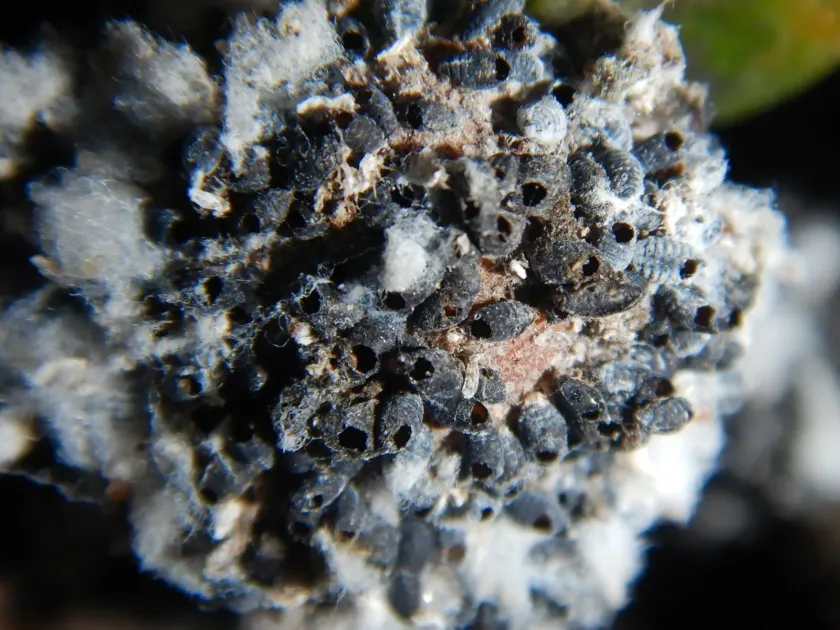
The most prominent sign of Aphelinus activity is the formation of aphid "mummies." These are dead, bloated aphids that have turned dark brown or black.
Upon closer examination, a small, circular exit hole can often be seen on the back of the mummy, marking where the adult wasp emerged after completing its development.
Healthy aphid colonies are usually mobile and light-colored, whereas parasitized colonies will show a significant number of stationary, discolored individuals.
Finding a high density of these mummies indicates that the biological control agent is effectively reducing the pest pressure in the immediate area.
- Darkened, swollen aphid bodies (mummies).
- Presence of tiny emergence holes in the host cuticle.
- Noticeable decline in aphid colony density.
Control measures
The "control" of Aphelinus is actually a process of conservation. Farmers should prioritize strategies that protect and enhance existing populations of these beneficial wasps.
The indiscriminate use of broad-spectrum insecticides must be avoided, as these chemicals are often as lethal to the wasps as they are to the aphids.
When chemical intervention against other pests is necessary, choosing selective, low-toxicity products can help maintain the natural enemy population in the orchard.
Providing flower strips or nectar-rich borders encourages the survival of adult wasps, as they require supplemental nectar for energy and increased reproductive success.
Integrating these conservation practices into overall farm management leads to more sustainable and cost-effective pest control strategies.
Taxonomy
- Latin name
- Aphelinus
- Order
- Hymenoptera
- Family
- Aphelinidae
- EPPO code
- APHESP
Discussion
No discussions yet — be the first.