
Cletus ochraceus
Cletus ochraceus
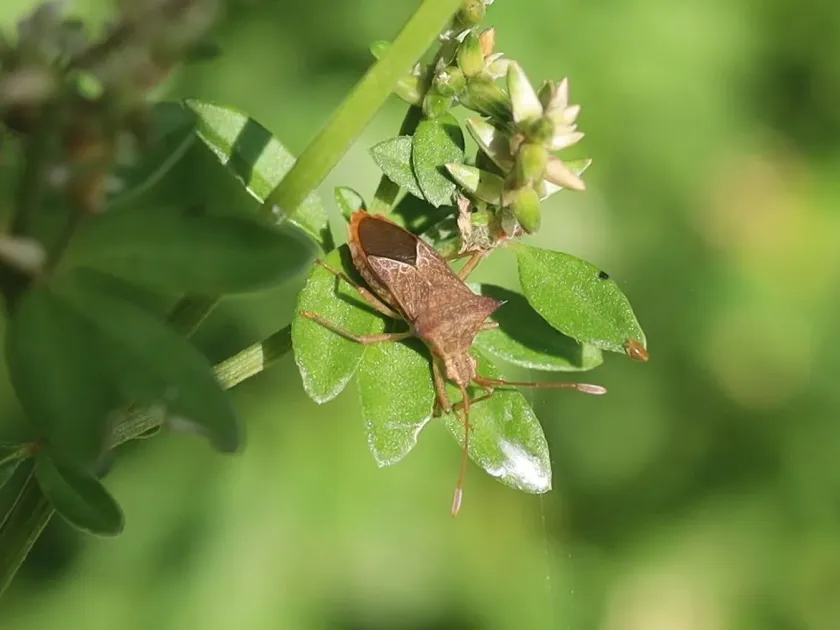
Description
How to identify
Cletus ochraceus is a species of true bug belonging to the family Coreidae. These insects are characterized by their elongated, brownish or ochre-colored bodies, typically measuring between 8 to 10 millimeters in length.
A key identifying feature of this species is the structure of the pronotum, which often features expanded lateral margins, sometimes appearing slightly serrated. They possess a long proboscis used for feeding on plant sap.
The life cycle of Cletus ochraceus consists of an egg stage, five nymphal instars, and the adult stage. The nymphs are smaller versions of the adults but lack functional wings and develop gradually through each instar.
Adults are the primary overwintering stage, seeking shelter in plant debris, leaf litter, or crevices in the soil during colder months. They become active as soon as temperatures rise in the spring.
Depending on the climatic conditions and geography, this species may complete one or more generations throughout the growing season, which influences their population density.
What it damages
This insect is recognized as a pest primarily affecting various legume crops, including soybeans, chickpeas, and beans. They feed by inserting their proboscis into the plant tissue, particularly targeting succulent parts.
The most severe damage occurs during the flowering and pod-filling stages. The bug targets reproductive structures, causing direct loss of yield and reducing the overall quality of the harvested seeds.
Feeding punctures result in the formation of necrotic spots on the pods. This physical damage can lead to pod deformation, shriveled seeds, and in some cases, the premature abortion of flowers and pods.
Secondary infections, such as fungal pathogens, often enter the plant through the punctures made by the bugs, further exacerbating the damage and potentially lowering the market value of the crop.
Both adults and nymphs contribute to the damage, as they actively move across the plant canopy to find the most nutrient-rich tissues, which can lead to localized wilting and plant stress.
Signs of infestation
One of the most noticeable signs of Cletus ochraceus infestation is the presence of small, dark necrotic spots on the surface of developing pods. These marks indicate where the bugs have been feeding.
Heavily infested plants may show signs of yellowing, wilting, or stunted growth. The overall vigor of the crop may decline, especially if the infestation occurs during critical stages of plant development.
During the early morning or late afternoon, adults and nymphs can often be observed congregating on the undersides of leaves or directly on the pods. They may drop to the ground when disturbed.
The presence of exuviae (cast-off skins from molting) on leaves and stems is another clear indication that the population is actively developing within the field.
An indirect sign of a high population is the overall reduction in seed yield and protein content at harvest, which may not be fully apparent until the crop is threshed and inspected.
Control measures
Effective management of Cletus ochraceus requires a multifaceted approach. Cultural practices, such as removing crop residues and weeds after harvest, are essential to eliminate overwintering sites.
Crop rotation and maintaining field sanitation help to keep population numbers in check. Providing spatial distance between host crops and areas known to harbor these insects can also be effective.
Chemical control remains a viable option when the economic injury level is reached. Targeted applications of insecticides are most effective when applied during the nymphal stages, as they are less mobile than adults.
Monitoring using yellow sticky traps or visual field counts helps growers make informed decisions about when to apply treatments to prevent significant economic losses.
- Destroying weeds that serve as alternative hosts throughout the season.
- Tilling the soil post-harvest to disrupt overwintering habitats.
- Applying systemic insecticides when threshold levels are exceeded.
Taxonomy
- Latin name
- Cletus ochraceus
- Order
- Hemiptera (bugs, aphids, leafhoppers)
- Family
- Coreidae
- EPPO code
- CLESOC
Discussion
No discussions yet — be the first.