
Cletus bipunctatus
Cletus bipunctatus
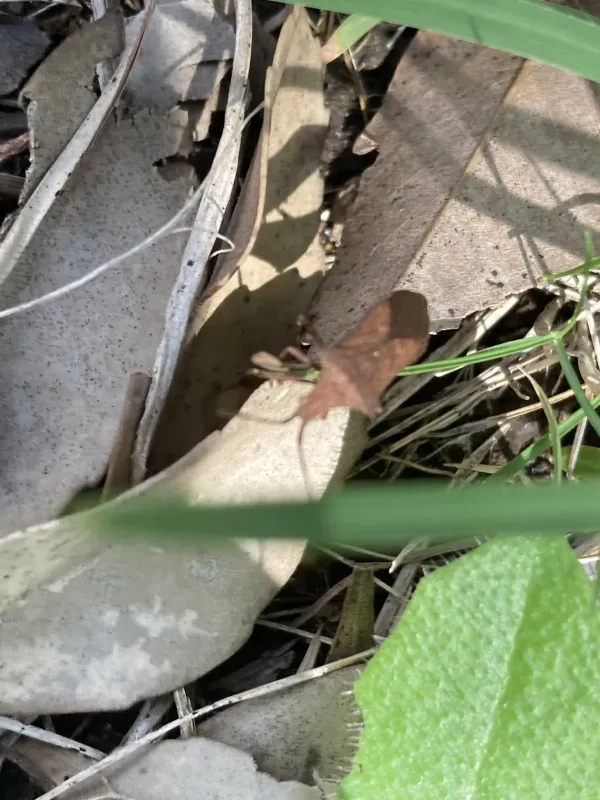
Description
How to identify
Cletus bipunctatus is a member of the Coreidae family, commonly known as leaf-footed bugs or twig-wilters. These insects are distinguished by their elongated, oval-shaped bodies, typically measuring between 8 and 12 mm in length.
Their coloration ranges from grayish-brown to dark brown, providing excellent camouflage against the withered parts of their host plants. The specific epithet "bipunctatus" refers to the two characteristic dark spots located on the pronotum or hemelytra.
They possess a specialized piercing-sucking mouthpart, which they use to feed on the plant sap. Their antennae are four-segmented and quite prominent, often used for sensing vibrations in the environment.
Like other coreids, these bugs undergo incomplete metamorphosis. The nymphs resemble miniature, wingless versions of the adults and grow through several instar stages before reaching maturity.
These insects are highly mobile and are capable of swift flight when disturbed, making them difficult to detect during the early stages of infestation.
What it damages
Cletus bipunctatus is a primary pest of various legume crops, including soybeans, cowpeas, and peanuts. They target the reproductive tissues, primarily focusing on the developing seeds.
The damage is caused by the adults and nymphs inserting their stylets into the pods to extract nutrients. This feeding process results in the destruction of plant cells and the cessation of seed development.
Affected pods often show localized necrosis, distortion, and stunted growth. If the infestation occurs early, it can lead to the complete abortion of pods or flowers, causing significant yield loss.
Secondary infections by fungi or bacteria may occur through the puncture marks made by the bugs, leading to further decay of the pods and grain quality degradation.
Economic losses are often underestimated because the internal damage to the seeds is not always visible until the harvest, leading to reduced seed weight and quality.
When it appears
Adults emerge from their overwintering sites, such as leaf litter and debris, in the early spring when temperatures become consistently favorable for activity.
The peak activity and reproductive phase usually align with the flowering and pod-filling stages of legume crops, which provide the most nutritious food source for the bugs.
Under optimal temperature conditions, the life cycle can be completed rapidly, allowing for multiple overlapping generations within a single growing season.
As the season progresses toward autumn, the bugs prepare for diapause by migrating toward sheltered areas or staying within the harvested field residue.
Population density is heavily influenced by the availability of alternative host plants during the gaps between the planting and harvesting of primary crops.
Signs of infestation
Visible signs of infestation include tiny black or dark brown puncture marks on the surface of developing pods, which are often surrounded by discolored rings.
Gardeners and farmers can spot the bugs resting on the stems or the undersides of leaves, especially during the cooler parts of the day when they are less active.
- Premature yellowing or wilting of the pods and adjacent foliage.
- Malformation or shrinking of seeds within the pods.
- Presence of shed exuviae (cast-off skins) from the nymphs on plant surfaces.
- General decline in plant vigor despite adequate irrigation and fertilization.
A high density of these insects is often accompanied by a distinct, unpleasant odor emitted from their scent glands, which serves as a defensive mechanism.
Control measures
Effective management begins with strict field sanitation, including the removal of weeds and crop debris where the bugs can hide or overwinter.
Crop rotation and selecting resistant varieties are essential practices to break the life cycle of the pest and minimize the reliance on chemical interventions.
When the economic threshold of damage is reached, the application of registered insecticides is recommended, preferably targeting the nymphal stages to prevent adulthood.
Integrated Pest Management (IPM) strategies suggest monitoring the field regularly to identify early clusters and using localized spot treatments to minimize environmental impact.
Encouraging natural enemies, such as parasitic wasps and predatory beetles, can play a significant role in naturally suppressing the Cletus bipunctatus population in the field.
Taxonomy
- Latin name
- Cletus bipunctatus
- Order
- Hemiptera (bugs, aphids, leafhoppers)
- Family
- Coreidae
- EPPO code
- CLESBI
Discussion
No discussions yet — be the first.