
Cifuna locuples
Cifuna locuples
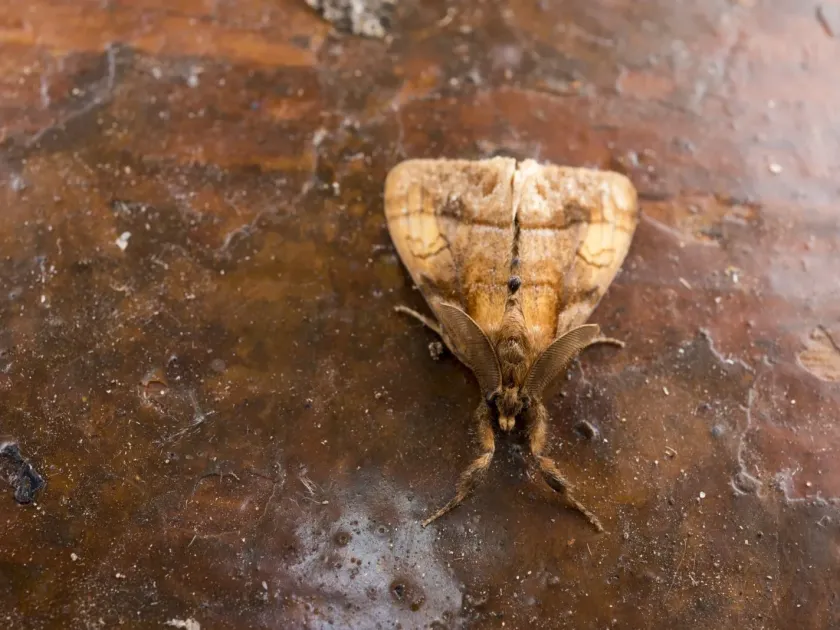
Description
How to identify
Cifuna locuples is a moth species belonging to the Erebidae family (formerly Lymantriidae), commonly known as tussock moths.
The larvae are characterized by dense tufts of hair covering their bodies, a typical defense mechanism common in the tussock moth family to deter predators.
Adult moths are generally nocturnal and possess camouflage-colored wings, allowing them to remain hidden on tree bark and foliage throughout the day.
The life cycle undergoes complete metamorphosis, consisting of egg, larval (caterpillar), pupal, and adult stages, which are synchronized with local climatic conditions.
This species is found primarily in Asian forest ecosystems, where it utilizes various broad-leaved trees and shrubs as primary food sources.
What it damages
As a polyphagous pest, Cifuna locuples larvae feed on a wide variety of plant species, including deciduous trees and certain garden fruit crops.
The primary damage is caused by the caterpillars, which consume large portions of leaf tissue, significantly impacting the plant's ability to photosynthesize.
Severe infestations can lead to widespread defoliation, leaving trees weakened and more susceptible to secondary pests, diseases, and environmental stress.
Young plants and seedlings are particularly vulnerable, as repeated defoliation can stunt their growth or lead to mortality if left unmanaged.
While often associated with forest trees, the pest can migrate to nearby agricultural areas, causing economic damage to commercial orchards or nurseries.
When it appears
The life cycle of Cifuna locuples is seasonally dependent, with larvae typically overwintering in protected spots within the forest floor or tree crevices.
Feeding activity resumes in the spring as temperatures rise, matching the emergence of new buds and leaves on host plants.
Adult moths typically emerge in mid-summer, during which they mate and deposit eggs on the surfaces of host leaves or branches.
The duration of the larval stage depends heavily on local temperature and food availability, often resulting in one or two generations per year.
As autumn approaches, the final larval instars seek out secure locations to form cocoons and enter diapause, preparing for the upcoming winter.
Signs of infestation
The first indicator of an infestation is the appearance of irregular holes in leaf blades, which expand as the larvae continue their feeding cycle.
Skeletonization is a classic sign, where caterpillars consume the soft parts of the leaves, leaving only the veins and midribs behind.
Frass, or caterpillar excrement, often found on leaves or at the base of the plant, is a strong indicator of an active and feeding population.
Observation of the caterpillars themselves, particularly their distinctive hairy bodies on branches, confirms the identity of the pest.
The presence of silken cocoons attached to bark or stems in late summer indicates that the insects are preparing for the next stage of their life cycle.
Control measures
Managing Cifuna locuples requires a strategic approach that combines biological, mechanical, and chemical control methods to maintain low population levels.
In garden settings, mechanical removal of egg masses and manual collection of larvae can be effective if done early in the season.
Biological pesticides, specifically those containing Bacillus thuringiensis, provide a targeted way to control larvae without harming beneficial insects.
- Apply systemic insecticides during high-density outbreak periods to prevent further foliage loss.
- Encourage local populations of insectivorous birds and parasitic wasps to naturally regulate pest numbers.
- Maintain orchard hygiene by removing deadwood and leaf litter that provides winter refuge for pupae.
Consistent monitoring and early detection are essential to prevent significant crop loss and maintain the health and vigor of tree plantations.
Taxonomy
- Latin name
- Cifuna locuples
- Order
- Lepidoptera (butterflies)
- Family
- Erebidae
- EPPO code
- CIFULO
Discussion
No discussions yet — be the first.