
Cifuna
Cifuna
Description
How to identify
The genus Cifuna belongs to the Erebidae family and the Lymantriinae subfamily. These insects are classified as moths, known primarily for the damage caused by their larvae.
Adult moths are typically nocturnal, featuring cryptic coloration such as brown or grey shades, which allows them to remain camouflaged on tree bark.
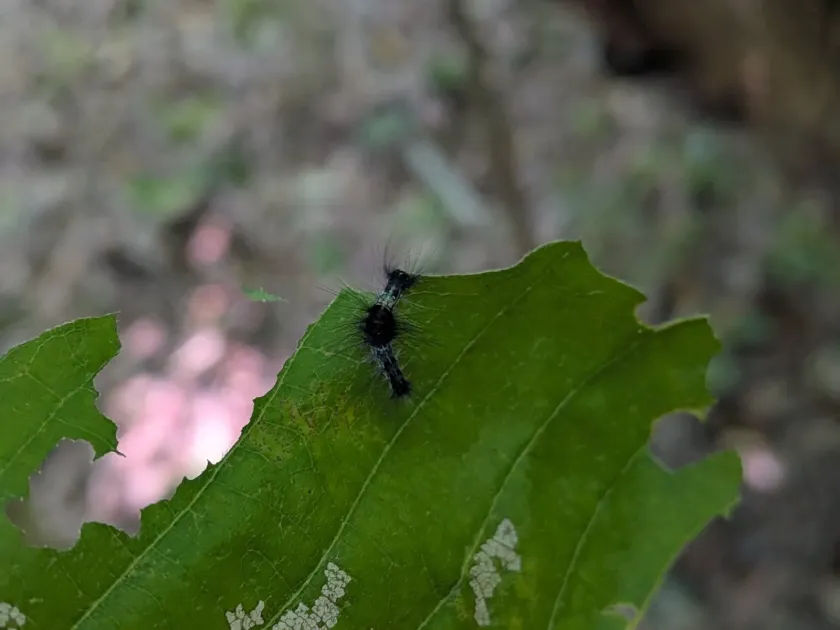
The caterpillars of this genus are easily recognized by their dense hair covering, often grouped in tufts, serving as a primary defense mechanism against predators.
Their life cycle includes complete metamorphosis: egg, larva (caterpillar), pupa, and adult (imago), with distinct phases suited for different environmental conditions.
Identification at the species level usually requires expert entomological examination of morphological features, particularly regarding the genitalia of the adults.
What it damages
Cifuna pests affect a wide range of woody plants, bushes, and fruit trees, making them a concern for both forestry and orchard management.
The larvae are voracious feeders that can strip leaves, often leaving only the main veins behind, leading to significant defoliation.
In nurseries and young orchards, such damage can stunt plant growth and drastically reduce the commercial value of the crop.
Direct damage to buds and young shoots can disrupt the development of branches and reduce future flowering and fruit production.
Severe infestations weaken the host plant, making it more susceptible to secondary infections, diseases, and environmental stress.
When it appears
The activity of the larvae is typically concentrated in the spring and summer months, corresponding with the main vegetation period of their host plants.
Adult emergence occurs during the summer, marking the time for mating and the deposition of egg clusters on the foliage of suitable plants.
The duration of the larval stage depends on local climatic factors, usually spanning several weeks until the transition to the pupal stage.
In warmer regions, the species may complete two or more generations within a single season, increasing the pressure on local crops.
Overwintering usually takes place in the pupal stage, encased in protective cocoons tucked into bark crevices or leaf litter.
Signs of infestation
Visible defoliation patterns where leaves are skeletonized or partially consumed are the most common signs of a Cifuna infestation.
The presence of large, hairy caterpillars on branches or moving along the trunk is a definitive indicator of their presence.
Silk cocoons found on the underside of leaves or within the cracks of branches confirm that the insect is transitioning through its life cycle.
Frass (caterpillar excrement) accumulations under the canopy provide evidence of high larval density in the upper foliage.
Wilting of terminal shoots or stunted branch development serves as a late-stage warning of extensive feeding activity.
Control measures
Biological control using Bacillus thuringiensis sprays is highly effective against young larvae while minimizing impact on beneficial insects.
Chemical control with systemic or contact insecticides should be implemented based on monitoring data when threshold levels of infestation are exceeded.
Good orchard hygiene, including the removal of dead bark and cleaning up plant debris, is essential to reduce overwintering sites for pupae.
Encouraging the presence of natural predators like parasitic wasps and predatory bugs can help maintain larval populations below economic damage thresholds.
Regular monitoring using light traps or pheromone baits allows for early detection of adult moths, ensuring timely intervention before egg-laying occurs.
Taxonomy
- Latin name
- Cifuna
- Order
- Lepidoptera (butterflies)
- Family
- Erebidae
- EPPO code
- CIFUSP
Discussion
No discussions yet — be the first.