
Chionodes mariona
Chionodes mariona
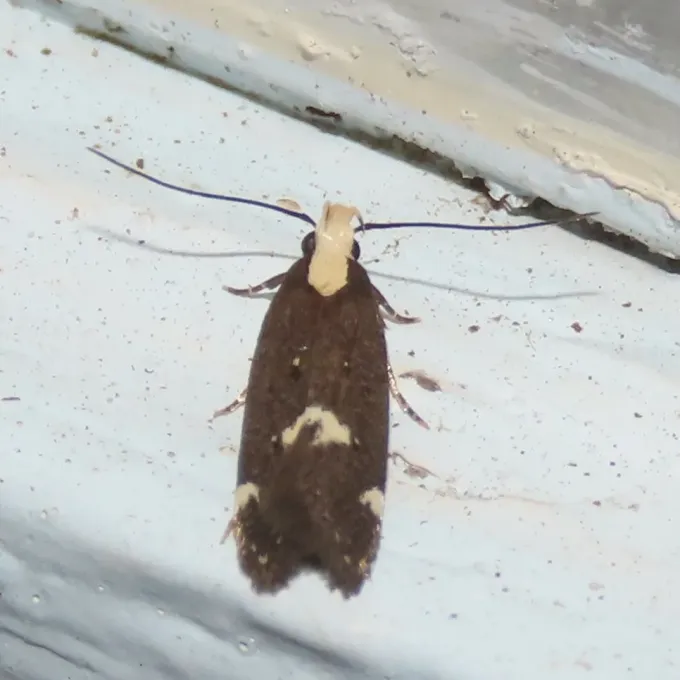
Description
How to identify
Chionodes mariona is a moth species belonging to the order Lepidoptera and the family Gelechiidae. This moth is characterized by its small size and specific wing structure, which is a common diagnostic feature for the Gelechiid family.
Adult moths are generally inconspicuous, with coloration that serves as effective camouflage on the bark or foliage of host plants. Their wings are covered with fine scales, providing them with a protective, mottled appearance that blends into their environment.
The larvae, or caterpillars, undergo several instars, increasing in size as they develop. Their coloration can vary, often adapting to the texture and color of the plant tissue they are consuming, which helps them remain hidden from predators.
Identification of this species often requires professional entomological expertise, involving the examination of morphological traits or genital structures. Visual observation in the field might be insufficient due to the similarity with other related micro-moths.
The life cycle of the moth is highly dependent on environmental conditions, with population peaks usually aligning with the favorable temperatures of the growing season in their specific habitat.
What it damages
The primary damage is caused by the larval stage, which feeds on the generative and vegetative parts of host plants. By consuming buds, leaves, and tender shoots, the larvae disrupt the plant's physiological processes, including photosynthesis.
Feeding damage often compromises the plant's integrity, making it susceptible to secondary infections from fungi or bacteria. This weakening of the plant can lead to reduced vigor and significant yield losses in commercial crops.
In cases of heavy infestation, the pest can cause extensive leaf skeletonization or destruction of reproductive structures. Regular scouting is essential for farmers to detect outbreaks before they reach the economic injury level.
The host range of Chionodes mariona typically includes specific plant species within its natural range. The larvae often reside in sheltered areas, such as rolled leaves or buds, which provides them with protection from environmental stress and natural enemies.
Early signs of infestation are often subtle, such as small entry holes in tissues or the presence of frass. Detecting these signs is critical for implementing effective management strategies promptly.
Control measures
Integrated Pest Management (IPM) is the most effective approach for controlling Chionodes mariona. This involves combining cultural practices with biological and chemical tools to maintain population levels below the damage threshold.
Biological control methods, such as the application of Bacillus thuringiensis, are highly effective against younger larvae and are considered safe for the environment and beneficial insect populations.
When chemical control is necessary, systemic insecticides should be applied according to local regulations. It is important to rotate active ingredients to prevent the development of insecticide resistance within the pest population.
Field management, including the removal of weeds and debris, is essential for reducing overwintering sites for the pest. Maintaining crop health and proper nutrient management can also improve the plant's resilience against larval damage.
- Deployment of pheromone traps for monitoring moth flight activity.
- Crop rotation and spatial isolation of host plant fields.
- Release of beneficial biological agents like Trichogramma wasps during egg-laying phases.
Taxonomy
- Latin name
- Chionodes mariona
- Order
- Lepidoptera (butterflies)
- Family
- Gelechiidae
- EPPO code
- KHIOMA
Discussion
No discussions yet — be the first.