
Hibiscus webworm
Chionodes hibiscella
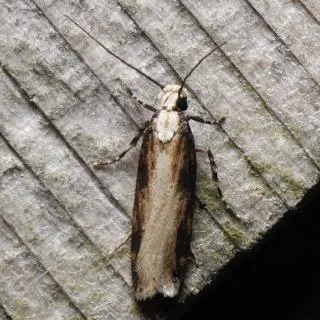
Description
How to identify
The hibiscus webworm (Chionodes hibiscella) belongs to the Gelechiidae family, a group of small moths known as twirler moths. They are typically nocturnal and are often overlooked in the landscape.
The family name Gelechiidae refers to the distinctive notch on the outer margin of the hindwings, which is a key diagnostic feature for entomologists when identifying adult moths.
The life cycle undergoes complete metamorphosis, passing through four stages: egg, larva (caterpillar), pupa, and adult. Each stage has adapted to thrive on host plants.
Larvae are the primary destructive stage, equipped with chewing mouthparts that allow them to consume plant tissues effectively as they grow.
Adults are small and often dull-colored, which helps them blend into tree bark or foliage during the day, remaining protected from predators until they emerge at dusk.
What it damages
The hibiscus webworm primarily targets plants within the Hibiscus genus, affecting both landscape shrubs and those grown in nursery settings.
Larval feeding causes significant damage to foliage, including leaf skeletonization and the formation of webbing that binds leaves together, destroying the plant's aesthetic appeal.
In nursery environments, infestations can lead to heavy economic losses as plants become unsaleable due to the presence of silk webbing and damaged growing tips.
The destruction of leaf tissue disrupts the plant's photosynthetic process, weakening it and making it more susceptible to environmental stress and opportunistic pathogens.
In severe cases, the damage to terminal buds can stunt plant growth and prevent proper blooming, significantly reducing the visual impact of the hibiscus in gardens.
Signs of infestation
The most common sign of an infestation is the presence of webbed or curled leaves, which the caterpillars use as protective retreats while feeding.
Mines, or irregular light-colored tunnels within the leaf blades, provide evidence that larvae have been burrowing into the inner layers of the foliage.
Distorted or aborted flower buds often indicate that larvae have bored into the reproductive structures to feed on the developing parts of the bloom.
Accumulations of frass, which appears as small dark granules on the leaves or webbing, are a reliable indicator that the larvae are currently active and feeding.
Wilting, discoloration of leaves, or stunted development of the apical growth are classic symptoms that warrant a thorough inspection of the plant's canopy.
Control measures
Cultural control is a first-line defense, involving the pruning and disposal of infested twigs and leaves to reduce the population of overwintering pupae.
Biological control using formulations of Bacillus thuringiensis is highly effective against young larvae while remaining safe for beneficial pollinators and predators.
Light traps deployed at night can help reduce the number of adult moths, thereby limiting the mating opportunities and the overall egg-laying capacity of the generation.
Chemical control, if necessary, should utilize systemic insecticides that are absorbed by the plant tissues to target the larvae residing inside leaves or buds.
Regular monitoring during the peak growing season allows for early intervention, preventing the infestation from spreading across the entire hibiscus planting.
Taxonomy
- Latin name
- Chionodes hibiscella
- Order
- Lepidoptera (butterflies)
- Family
- Gelechiidae
- EPPO code
- KHIOHI
Discussion
No discussions yet — be the first.