
Cactus bug
Chelinidea
Description
How to identify
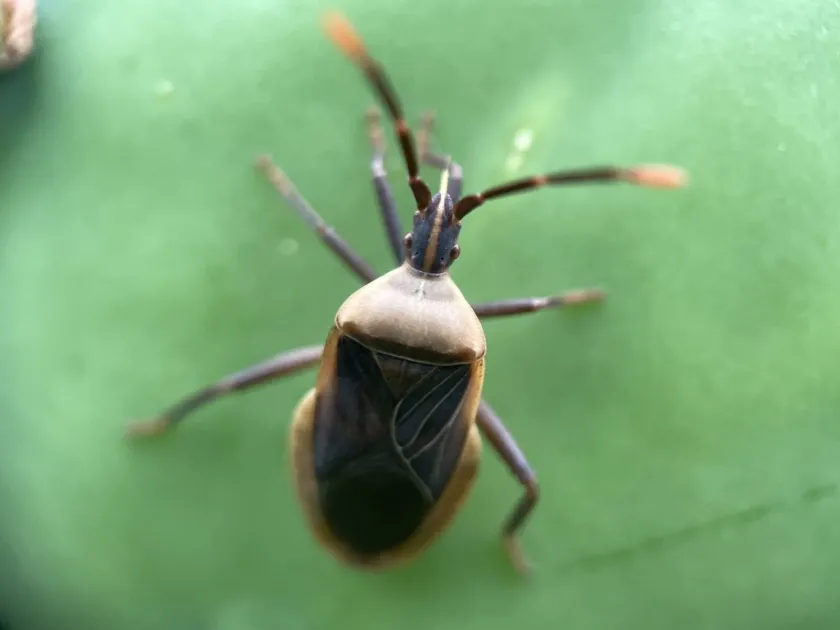
The cactus bug, belonging to the genus Chelinidea and the family Coreidae (leaf-footed bugs), is a specialized pest that thrives on various species of cacti, particularly opuntias. Adult bugs typically grow to 10–15 mm in length and exhibit a brownish, mottled appearance that mimics the cactus surface.
The nymphs of the cactus bug undergo several molts, starting from a light green or yellow stage and gradually darkening as they mature. Unlike adults, they are wingless, making them sedentary and easier to spot on the plant pads.
Adults possess fully developed wings and are capable of flight, allowing them to migrate efficiently between cactus patches. They have distinct antennae that they use to sense the health and moisture levels of the succulent host plant.
The life cycle of the cactus bug is highly temperature-dependent. In warmer regions, they can complete multiple generations in a single year, while in cooler climates, they typically overwinter as adults in protected debris or leaf litter.
Their mouthparts are specifically adapted for piercing the thick, waxy skin of cacti. This specialized feeding mechanism makes them a persistent threat to both wild populations and cultivated ornamental succulent gardens.
What it damages
Cactus bugs primarily feed on the pads (cladodes) of Opuntia species. By piercing the skin with their rostrum, they suck the nutritious cell sap, leading to localized dehydration and tissue stress within the plant.
The feeding sites often manifest as chlorotic (yellow) or white spots where the sap has been removed. Over time, these spots can merge, causing significant scarring and reducing the overall aesthetic quality of the cactus.
Beyond direct feeding, these bugs act as vectors for secondary pathogens. The small wounds they create serve as entry points for various fungi and bacteria, which can cause significant rotting and stem tissue decay.
In cases of severe infestation, the plant’s growth rate is stunted, and the cactus may fail to produce flowers or fruits. The structural integrity of the plant pads can be compromised, leading to limb collapse in extreme cases.
Young, succulent growth is especially susceptible to the cactus bug's impact. Without intervention, repeated attacks on tender pads can lead to the eventual death of the entire plant or large sections of it.
Signs of infestation
The most noticeable sign of a cactus bug presence is the appearance of distinct, pale or yellowish spots on the surface of the cactus pads. These are the immediate results of the bugs' feeding activity.
You can identify an infestation by physically observing the insects on the plant, particularly in the crevices or along the spines where they tend to hide. Black, granular droppings left behind on the pad surface are also clear indicators.
As the feeding spots age, they often turn brown or gray and take on a corky, hardened texture. This scab-like tissue indicates that the damage is no longer recent and that the plant is trying to heal itself.
A sudden drop or failure of flower buds is often associated with heavy pest pressure. If the plant seems unusually dull or exhibits a lack of turgor despite adequate hydration, it may be under attack by these bugs.
Sometimes, a sticky sap may ooze from the puncture wounds. This exudate is the plant's defense mechanism, intended to seal the wound and prevent further fluid loss or pathogen entry after the bug has moved on.
Control measures
Mechanical control is effective for small-scale infestations. Physically picking off the bugs or knocking them into a container of soapy water is a simple and non-toxic way to manage their population.
Chemical control involving systemic insecticides is often necessary for large collections. These products are absorbed by the plant, making its tissues toxic to the bugs that feed on them, thereby providing lasting protection.
Sanitation is a critical preventive step. Removing dead plant material, fallen leaves, and debris from the base of the cacti eliminates the overwintering sites for the adult bugs.
- Monitor cactus pads weekly, especially during spring and summer.
- Ensure plants are healthy, as stressed cacti are more susceptible.
- Use contact sprays if an immediate knockdown of the population is needed.
- Repeat treatments to catch newly hatched nymphs from the egg clusters.
When applying any treatment, ensure the product is labeled as safe for succulents. Always apply during the early morning or evening to prevent chemical burns on the plant surface from the combination of insecticide and intense sunlight.
Taxonomy
- Latin name
- Chelinidea
- Order
- Hemiptera (bugs, aphids, leafhoppers)
- Family
- Coreidae
- EPPO code
- CHEESP
Discussion
No discussions yet — be the first.