
Chamaemyia aridella
Chamaemyia aridella
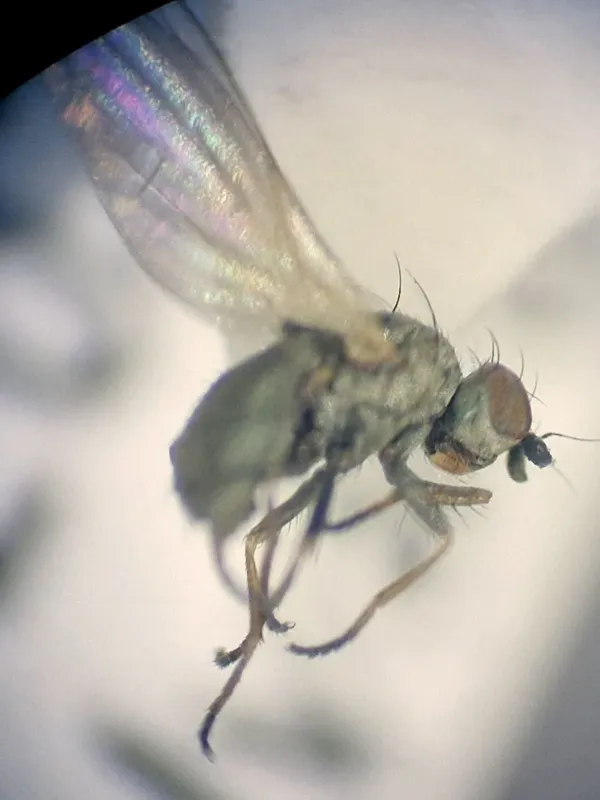
Description
How to identify
Chamaemyia aridella is a species belonging to the family Chamaemyiidae within the order Diptera. These are small flies that are often overlooked in field surveys due to their inconspicuous appearance and their tendency to reside within dense vegetation.
The adult flies are typically greyish in color, which helps them blend into their surroundings. Their life cycle consists of four distinct stages: egg, larva, pupa, and adult, with each stage requiring specific environmental conditions for optimal development.
This species is well-adapted to arid and semi-arid environments, utilizing these conditions to maintain its population. Understanding their phenology is essential for accurate monitoring and determining the timing of potential control measures.
The larvae are internal feeders, which is a key characteristic of their biology. This feeding habit provides them with both nutrition and protection from external environmental stressors, including direct contact with certain chemical sprays.
Correct identification is crucial for effective management. Because several fly species may coexist in cereal crops, distinguishing Chamaemyia aridella from other pests is a fundamental step in integrated pest management programs.
What it damages
The primary hosts of Chamaemyia aridella are various grass species, including major cereal crops. The damage is primarily caused by the larvae, which bore into the tissues of the stems or leaf sheaths to feed.
The feeding activity disrupts the plant's vascular system, hindering the transport of nutrients and water. This leads to stunted growth, reduced tillering, and in severe cases, the death of the primary shoot or the entire plant.
Beyond direct mechanical damage, the larval feeding sites act as entry points for secondary pathogens, such as fungi or bacteria, which can exacerbate the decline of the infected plants.
Economic damage is most significant during the early vegetative stages of the crop. High population densities of larvae can lead to substantial thinning of the stand and loss of potential grain yield.
The severity of the damage often correlates with the environmental stress the plants are under. Drought conditions combined with pest pressure create a compounding effect that significantly reduces the resilience of the crop.
Signs of infestation
The first visual sign of infestation is typically the yellowing and wilting of the central leaf of a young plant. This 'dead heart' symptom is a common indicator of internal stem-boring pests.
Stunted development of affected plants compared to the surrounding healthy crop is another clear sign. The damaged plants may appear shorter or show irregular growth patterns, making them stand out in the field.
Close inspection of the base of the stem or the leaf sheath may reveal small holes or discoloration, which are entry points created by the larvae as they burrow into the plant tissue.
Splitting the affected stems longitudinally often confirms the presence of larvae or their excrement (frass) inside the hollow stem, providing definitive evidence of the pest's activity.
Patchy distribution within the field, where multiple plants show similar symptoms of wilting and decay, often indicates a localized hotspot that requires targeted monitoring and potential intervention.
Control measures
Integrated pest management (IPM) strategies are recommended for the control of Chamaemyia aridella. Cultural practices, such as crop rotation, play a vital role in breaking the life cycle of the pest by removing host plants.
Proper field sanitation is also essential. Deep plowing of crop residues can bury pupae and reduce the emergence of the next generation of adults in the following season, thereby limiting initial infestation pressure.
Weed management is critical, as wild grasses in surrounding areas often serve as alternative hosts, allowing the pest population to persist throughout the year even in the absence of cultivated cereals.
Chemical control should be targeted based on monitoring data, specifically aiming at the adult fly stage to prevent egg-laying. Once larvae are internal feeders, insecticide efficacy is significantly reduced.
Maintaining optimal crop nutrition helps plants recover more effectively from minor damage. Healthy plants are better equipped to tolerate pest pressure and maintain yield despite localized infestations.
Taxonomy
- Latin name
- Chamaemyia aridella
- Order
- Diptera (flies)
- Family
- Chamaemyiidae
- EPPO code
- CHMIAR
Discussion
No discussions yet — be the first.