
Quilici fruit fly
Ceratitis quilicii
Description
How to identify
The Quilici fruit fly (Ceratitis quilicii) is a member of the Tephritidae family, known for its significant impact on fruit production. It is a highly invasive species that poses a threat to many horticultural regions.
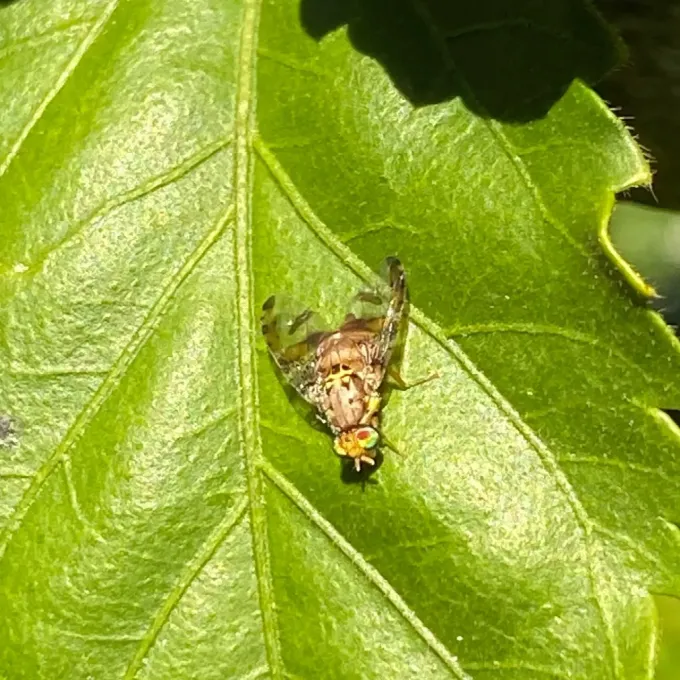
Adult flies are similar to other members of the genus Ceratitis, possessing distinct wing patterns. Precise identification typically requires specialized entomological study, particularly of the male genitalia.
The life cycle consists of four distinct stages: egg, larva, pupa, and adult. The fly spends most of its developmental life inside the fruit, which provides both shelter and nutrition.
Environmental factors, especially temperature and humidity, dictate the speed of the fly's reproductive cycles. In favorable climates, the population can increase rapidly throughout the season.
Pupation usually occurs in the soil, making it a critical stage for implementing ground-based control strategies in agricultural settings.
What it damages
This pest causes extensive damage to a wide variety of fruit crops, including stone fruits and citrus. The larvae feed on the pulp, rendering the fruit completely unmarketable.
The host range is broad, covering both tropical and subtropical fruits. Infested fruits often show symptoms of rotting and early ripening, leading to substantial yield losses for farmers.
When the female lays her eggs, she punctures the fruit skin, creating entry points for secondary pathogens like fungi and bacteria. This exacerbates the damage and accelerates fruit spoilage.
The economic impact of an outbreak can be severe, potentially threatening the livelihoods of fruit growers. Control measures are essential to maintain quality standards for both local and export markets.
Stringent phytosanitary measures are required to prevent the accidental introduction of this fly into non-endemic areas through infected shipments.
Signs of infestation
The most common sign of infestation is the presence of small puncture marks on the fruit's surface. These spots may be accompanied by slight discoloration or depression as the fruit matures.
When an infested fruit is opened, one may observe white or cream-colored larvae feeding within the pulp. The internal tissue may appear mushy and discolored due to the larvae's feeding and waste.
Premature fruit drop is a strong indicator of a high infestation level within an orchard. Fallen fruits, if left on the ground, allow the larvae to emerge and pupate in the soil.
Using pheromone traps is the most reliable way to monitor for the adult population before visible damage occurs. Early detection is crucial for minimizing crop loss.
Regular inspection of the orchard and monitoring of fallen fruit are essential practices for effective farm management and pest control.
Control measures
Integrated Pest Management (IPM) is recommended for controlling the Quilici fruit fly. This includes using pheromone traps to monitor populations and identify the optimal time for intervention.
Sanitation practices, such as the rapid removal and destruction of fallen fruit, are vital to break the life cycle. Burying or bagging infested fruit prevents the larvae from reaching the soil to pupate.
Chemical control involving bait sprays containing protein hydrolysates and authorized insecticides can be highly effective against adult flies before they oviposit.
Biological control methods are being researched and implemented in some regions to reduce reliance on synthetic pesticides, ensuring a more sustainable approach.
Adhering to strict phytosanitary regulations is necessary to prevent the spread of the fly during transport and trade, protecting global agricultural interests.
Taxonomy
- Latin name
- Ceratitis quilicii
- Order
- Diptera (flies)
- Family
- Tephritidae
- EPPO code
- CERTQI
Discussion
No discussions yet — be the first.