
Centrocoris spiniger
Centrocoris spiniger
Description
How to identify
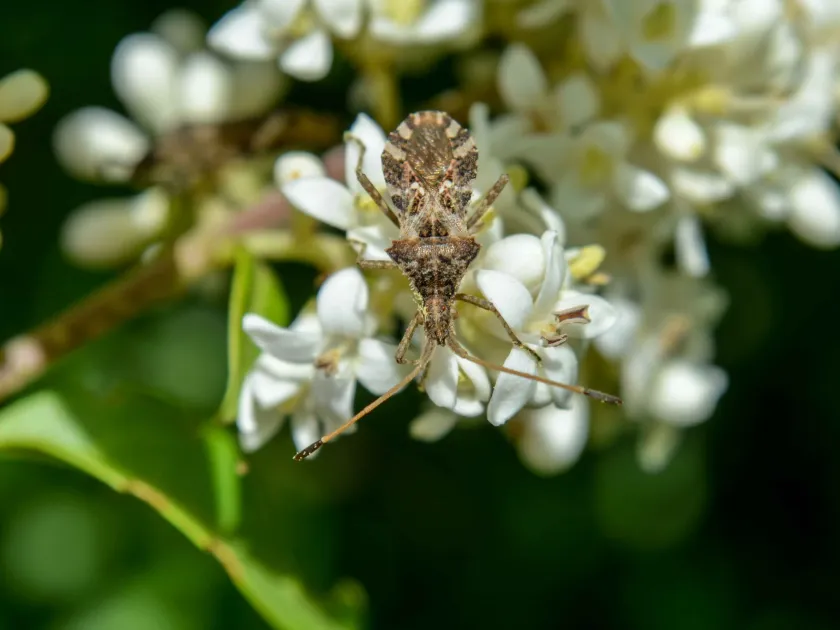
Centrocoris spiniger is a species of insect belonging to the family Coreidae (leaf-footed bugs). It is characterized by a flattened, elongated body shape and the presence of distinct spines on the pronotum, which gives the species its scientific name.
The adult bugs are typically brownish in color, which helps them blend in with dry stems and plant debris. They possess a specialized piercing-sucking mouthpart designed to extract fluids from various plant tissues.
The life cycle involves incomplete metamorphosis, moving from egg to nymphal stages, and finally to the winged adult form. They overwinter as adults, often seeking shelter in dense vegetation, leaf litter, or soil crevices.
Spring activity begins as temperatures rise, leading to mating and oviposition. Females deposit their eggs on host plants, and the emerging nymphs resemble miniature, wingless versions of the adults, feeding in groups initially.
Monitoring for this insect requires careful inspection of the undersides of leaves and stem junctions, where nymphs are frequently found. Their sedentary behavior during feeding makes them vulnerable to targeted control measures.
What it damages
This bug is a polyphagous pest, though it shows a marked preference for members of the Asteraceae family. In agricultural settings, it is known to cause significant damage to sunflower crops and other oilseeds.
Both adults and nymphs cause damage by sucking sap from leaves, stems, and developing flower heads. This feeding behavior disrupts the plant's nutrient transport system and leads to wilting and tissue degradation.
Physical signs of damage include yellowing of leaves and the appearance of necrotic spots at the feeding sites. If the feeding is intense, the overall growth of the plant can be stunted, leading to reduced vigor.
In seed-bearing crops, the impact on yield is substantial. The feeding causes seeds to shrivel or become empty, directly reducing the quality and weight of the harvest, which is particularly detrimental to farmers.
Furthermore, the physical wounds created by the bug's mouthparts serve as entry points for secondary pathogens, such as fungi or bacteria. This often results in rot infections that can spread across the plant tissue.
Signs of infestation
Early indicators of infestation include chlorotic spots on leaves that eventually turn brown or necrotic. These marks are often clustered, indicating where the bugs have been feeding in groups.
The presence of frass (excrement) in the form of tiny black dots on foliage is a strong indicator of bug activity. Observing these signs requires a close look, as the insects themselves may drop to the ground when disturbed.
Stunting or curling of young leaves and flower stalks is a sign of significant infestation. In advanced stages, one might observe premature drying or browning of the flower heads before maturity.
A sudden decline in the overall health of border rows of the field is a classic sign, as many leaf-footed bugs migrate from wild host plants on the field periphery before moving into the center.
Field scouting should be prioritized during the budding phase of the crop, as this is when the population typically begins to cause the most economic damage to developing reproductive organs.
Control measures
Effective management begins with good cultural practices, specifically the elimination of wild host plants like thistles and other Asteraceae weeds around the fields, which serve as reservoirs for the pest.
Post-harvest field sanitation, including the incorporation of crop residues into the soil, is essential to disrupt the overwintering sites of the bugs and reduce the initial spring population.
If economic thresholds are exceeded, chemical control with contact or systemic insecticides should be employed. It is crucial to time applications during the peak hatching period of the nymphs for maximum efficiency.
- Deployment of yellow sticky traps for population monitoring.
- Selective spraying of field borders to prevent inward migration.
- Encouraging natural predators by minimizing broad-spectrum insecticide use.
Integrated Pest Management (IPM) strategies, which prioritize crop rotation and the use of biological control agents, offer the most sustainable long-term solution for managing Centrocoris spiniger populations.
Taxonomy
- Latin name
- Centrocoris spiniger
- Order
- Hemiptera (bugs, aphids, leafhoppers)
- Family
- Coreidae
- EPPO code
- CCORSN
Discussion
No discussions yet — be the first.