
Centrocoris
Centrocoris
Description
How to identify
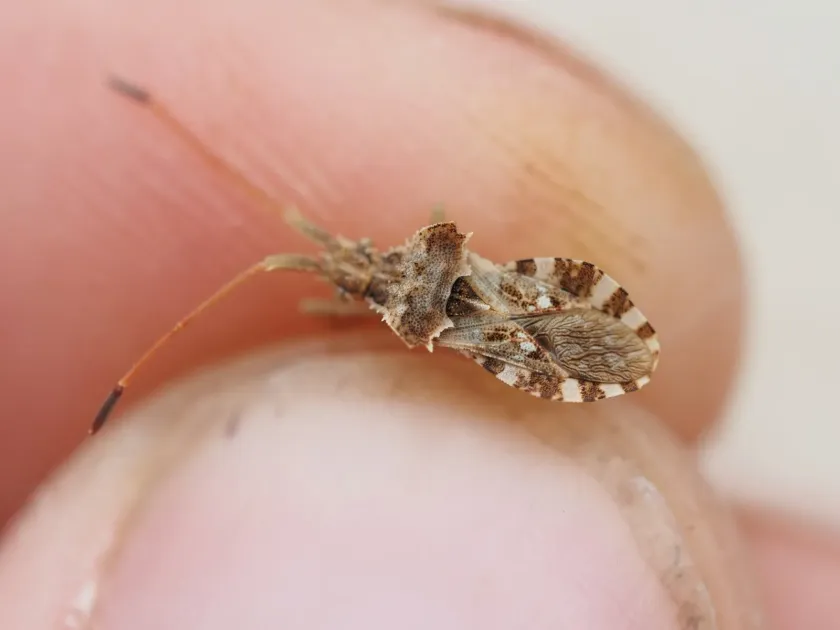
Centrocoris is a genus of insects belonging to the family Coreidae, commonly known as leaf-footed bugs. These insects possess a characteristic elongated body shape, often featuring mottled brown or tan coloration that provides excellent camouflage against dry plant debris.
The adults are equipped with a well-developed piercing-sucking mouthpart, which is specifically adapted to penetrate plant tissues and extract nutrients. Their legs are often robust, allowing them to move efficiently across various types of vegetation.
The biological cycle follows a process of incomplete metamorphosis. Nymphs closely resemble the adults but lack wings and are typically more vibrant in color, undergoing several molts before reaching the mature stage.
Eggs are typically laid in small, protected clusters on the undersides of leaves or along stems. This strategic placement ensures that the offspring remain hidden from predators and sheltered from environmental extremes during their early development.
These insects overwinter in the adult stage, seeking refuge in dense leaf litter, beneath plant debris, or in sheltered areas along field margins, emerging once temperatures become favorable in the spring.
What it damages
This pest targets a variety of herbaceous plants, including many common weeds and specific agricultural crops. They are particularly drawn to plants that provide stable nourishment throughout the growing season.
By piercing plant tissues and draining cellular sap, Centrocoris causes a loss of vigor in the host plant. This feeding behavior drains vital resources that are essential for growth, flowering, and seed development.
Feeding damage on reproductive organs, such as flower buds and developing seeds, can lead to stunted growth, reduced seed viability, or even premature fruit drop, directly impacting the final yield quantity.
Beyond the direct physical damage, the puncture wounds created by the bugs often become entry points for secondary fungal and bacterial pathogens, which can lead to localized rot and further weaken the plant's immune system.
In cases of high infestation density, especially during periods of drought, the cumulative damage can result in significant yellowing and wilting of the foliage, potentially leading to localized plant death.
Signs of infestation
The primary symptom of an infestation is the appearance of small, chlorotic spots on leaves where the bugs have pierced the tissue to feed. These spots can enlarge and eventually turn necrotic as the tissue dies.
Deformation of growing tips and twisted leaves are classic indicators of Centrocoris activity. These distortions happen as the bug disrupts the normal flow of nutrients through the stems during its feeding process.
The presence of a distinct, pungent odor, often released by the bugs when they are disturbed or when present in high numbers, is a reliable diagnostic feature that helps confirm their presence in the field.
Field scouting during the early morning hours, when the bugs are less active and gather on the tops of stems to absorb sunlight, is the most effective way to estimate the current population level.
Aborted flower buds and uneven ripening of seeds can also point to hidden activity, as the insects prefer to cluster in sheltered areas of the plant where they can feed undisturbed.
Control measures
Management begins with rigorous sanitation of field perimeters. Removing weeds and tall grasses along fences and edges eliminates the primary overwintering sites and reduces the likelihood of spring migration into crops.
Deep autumn tillage is a highly effective cultural control method. This practice disrupts the soil surface where adults hibernate, significantly increasing their mortality rates during the winter months.
When monitoring indicates that the population has exceeded the economic threshold, targeted insecticide applications may be necessary. Contact-based products are generally effective against both nymphs and adults.
Implementing crop rotation cycles helps prevent the buildup of pest populations in specific areas, as it breaks the continuity of the bug's food supply and disrupts their natural reproductive cycle.
Maintaining a healthy population of natural predators, such as spiders, lacewings, and parasitic wasps, can provide long-term biological suppression of the pest, reducing the need for intensive chemical interventions.
Taxonomy
- Latin name
- Centrocoris
- Order
- Hemiptera (bugs, aphids, leafhoppers)
- Family
- Coreidae
- EPPO code
- CCORSP
Discussion
No discussions yet — be the first.