
Guinea pig
Cavia porcellus
Description
How to identify
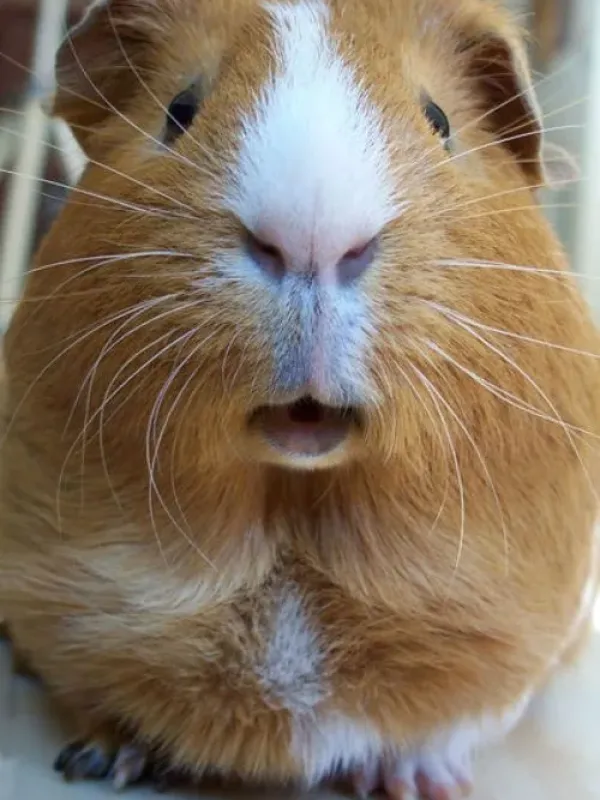
The guinea pig (Cavia porcellus) belongs to the order Rodentia, family Caviidae. This rodent is characterized by a stocky body, short legs, and a complete absence of an external tail.
In mature individuals, weight can reach up to 1.5 kg. Their dental structure is specialized, with incisors that grow continuously throughout their lives, necessitating constant gnawing on vegetation.
These animals are highly prolific breeders. When allowed to roam near agricultural areas, their population can expand rapidly, leading to significant pressure on local vegetation.
Guinea pigs are highly adaptable to various environments. Their social behavior in groups makes them more efficient at exploiting food sources in fields and gardens.
Their metabolism requires a high intake of fresh plant material daily, which drives their persistent feeding behavior on available agricultural crops.
What it damages
The primary damage caused by guinea pigs involves the consumption of green plant parts, including leaves, stems, and tender young shoots, which can severely stunt or kill crops.
Vegetable gardens are particularly susceptible, as leafy greens like lettuce, spinach, and young cabbage are preferred targets for these rodents during their feeding activity.
They can also damage root vegetables by gnawing on the parts of the roots exposed above the soil surface, providing entry points for pathogens and causing decay.
In cereal crops, they have been known to cut down young stems at the base, resulting in flattened crops and substantial loss of potential yield at harvest time.
Beyond direct feeding, physical damage occurs through trampling and nesting within crop rows, which ruins the soil structure and destroys delicate young plants.
Signs of infestation
Identification is possible through distinct gnaw marks on the edges of leaves, which are consistent with the size and bite pattern of a small rodent's incisors.
The presence of droppings, typically small and elongated, near the base of damaged plants serves as a clear indicator that the area is being visited by rodents.
Well-defined trails or paths through dense vegetation show where the animals move between their hidden nesting sites and their preferred foraging locations.
Sudden patches of decimated vegetation or missing young seedlings are classic indicators of concentrated feeding activity in a specific part of the field.
In moist soil, footprint patterns and small digging disturbances around the base of plants can indicate where the animals have been actively feeding or exploring.
Control measures
Physical exclusion is the most reliable method of control; installing fine-mesh metal fencing buried at least 15 cm deep is essential to prevent entry.
Maintaining a clean field perimeter by removing brush, tall weeds, and debris denies the rodents necessary cover and nesting sites, reducing the attractiveness of the area.
Using live traps allows for the humane removal of guinea pigs from the garden area, which can then be relocated to a safe, non-agricultural environment.
Regular inspection of perimeter fencing and entry points is crucial to ensure that any potential breaches are repaired before a large population establishes itself.
Integrated pest management strategies should focus on habitat modification, as preventing the animals from finding shelter near crops is more effective than reactive measures.
Taxonomy
- Latin name
- Cavia porcellus
- Order
- Rodents
- Family
- Caviidae
- EPPO code
- CAVIPO
Discussion
No discussions yet — be the first.