
Casama innotata
Casama innotata
Description
How to identify
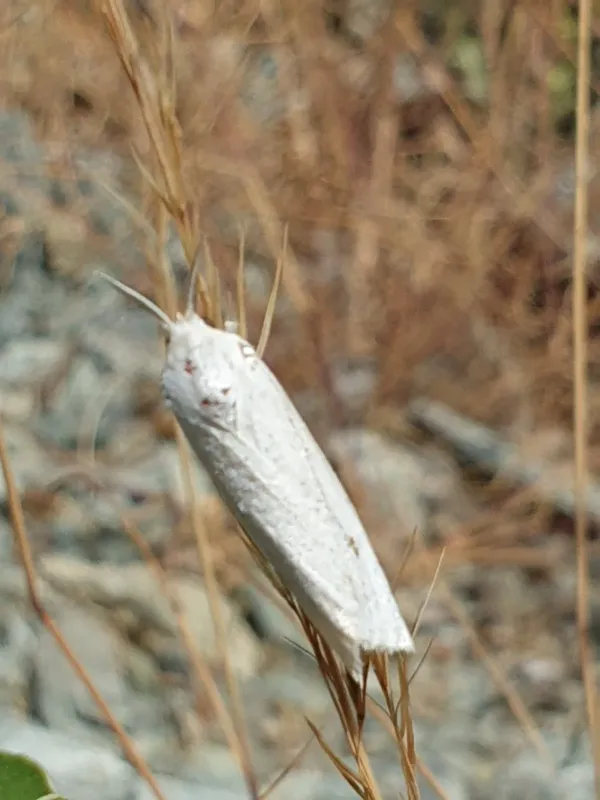
Casama innotata is a species of moth belonging to the family Erebidae (subfamily Lymantriinae). It is a nocturnal insect that, in its adult stage, possesses a cryptic coloration allowing it to blend in perfectly with tree bark.
The appearance of the adults is characterized by a restrained color palette, which is typical for many members of the family, helping them avoid detection by predators during daylight hours.
The larvae of this species have specific setae (hairs), which act as a defensive mechanism against entomophages and make them undesirable to natural enemies.
The life cycle of the insect includes the egg, larva, pupa, and adult stages, characteristic of all Lepidoptera species that undergo complete metamorphosis.
Species identification is performed through an analysis of the morphological characteristics of adult specimens and genital structures, as well as the feeding behavior of the larval stages.
What it damages
The primary damage is caused by larvae that actively feed on the vegetative mass of plants. They possess chewing mouthparts, which allow them to effectively skeletonize or completely destroy leaf blades.
The range of host plants includes various woody trees and shrub species, making this pest potentially dangerous for both forestry plantations and fruit crops.
The greatest damage is observed during mass outbreaks, when the population density of larvae reaches critical levels capable of causing complete defoliation of individual trees.
Weakened plants become more susceptible to secondary infections and abiotic stressors, which reduces their overall productivity and vitality.
Young plantings and nursery saplings suffer the most from the insect's activity, as even partial defoliation leads to stunted growth and impaired development.
Signs of infestation
The first visual sign of the pest's presence is the accumulation of larval frass (droppings) on the leaves and beneath the canopy of affected plants.
The presence of specific leaf damage, such as window-feeding or complete consumption of tissues down to the veins, indicates the initial phase of larval feeding.
During the day, larvae may hide in bark crevices or at the base of branches, making them difficult to detect during a standard visual inspection of the planting.
The discovery of silk nests, within which early-instar larvae may reside, serves as clear evidence of a localized infestation site.
Withering of individual shoots or premature yellowing of leaves, caused by disrupted photosynthesis, also points to a significant degree of infestation by the pest.
Control measures
For monitoring population numbers, it is advisable to use pheromone traps, which allow for the timely detection of adult flight and forecasting of infestation intensity.
Mechanical removal of larvae and pruning of infested branches containing egg clusters are effective for small areas or when pest populations are low.
The biological control method includes the use of entomopathogenic products based on Bacillus thuringiensis, which demonstrate high selectivity and safety for beneficial insects.
If chemical control measures are necessary, it is recommended to apply broad-spectrum insecticides during periods when the larvae are most vulnerable, typically at early instar stages.
A comprehensive protection strategy must include agronomic measures, such as canopy thinning and the timely removal of weeds, which often contribute to the survival of the pest population.
Taxonomy
- Latin name
- Casama innotata
- Order
- Lepidoptera (butterflies)
- Family
- Erebidae
- EPPO code
- CASAIN
Discussion
No discussions yet — be the first.