
Carnation leaf-miner moth
Caryocolum vicinella
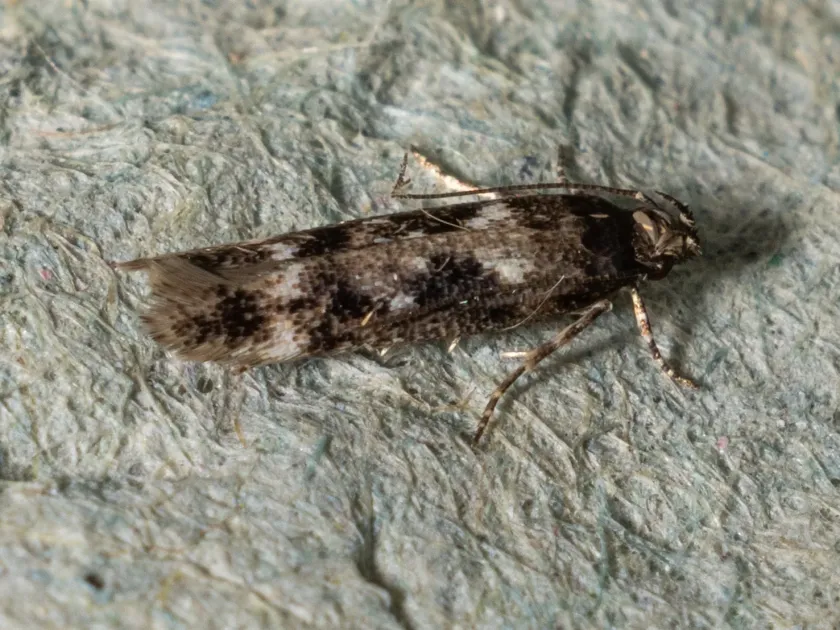
Description
How to identify
The carnation leaf-miner moth, classified as Caryocolum vicinella, belongs to the family Gelechiidae within the order Lepidoptera. It is a specialized pest that has evolved to feed specifically on members of the Caryophyllaceae family.
The adult moth is small, with wings that provide excellent camouflage, allowing it to blend into the foliage and stems of host plants, which makes visual detection during the day challenging.
The larvae are small, cylindrical caterpillars with a well-developed chewing mouthpart designed for boring into plant tissues and mining leaves, which is characteristic of the Gelechiidae family.
The species undergoes complete metamorphosis: egg, larva, pupa, and adult. This cycle allows it to survive in various environments, with the larvae typically overwintering in debris or soil.
Accurate identification of the species usually requires expertise or microscopic analysis of the moth's wing patterns and genitalia, as many species within the Gelechiidae family look very similar.
What it damages
This pest primarily attacks plants in the Caryophyllaceae family, causing significant harm to cultivated carnations (Dianthus) in both commercial greenhouses and private garden settings.
The primary damage is caused by the larvae, which mine the leaves, creating translucent tunnels that disrupt the plant's photosynthetic capacity and stunt overall growth.
When larvae reach the flower buds, they bore inside and consume the reproductive tissues, preventing the bloom from developing or causing the flower to become malformed and necrotic.
Stem damage is also possible; the larvae may tunnel into the shoots, leading to the collapse or wilting of individual stems, which severely affects the aesthetic quality of the crop.
High infestation levels can lead to total loss of floral buds, significantly reducing the market value and ornamental appeal of the infected plants.
When it appears
The adult moths typically emerge in late spring or early summer, following the warming trends that trigger the hatching of the first generation of the season.
The species can produce one or more generations per year depending on the local climate, with populations peaking during the warm mid-summer months.
The most critical time for damage is during the active vegetative growth phase and the subsequent budding stage of the carnation plants.
As temperatures begin to drop in autumn, the larvae prepare to overwinter, entering a state of diapause either in the soil or protected crevices of plant matter.
Monitoring for adult flight periods is essential for timing interventions effectively before the larvae can cause irreversible damage to the developing buds.
Signs of infestation
One of the first signs of infestation is the presence of webbed or curled leaves, which the larvae use for protection while they feed or prepare to pupate.
Small entry holes in the buds or petals, often accompanied by frass (larval excrement), are clear indicators that the moth has bored into the reproductive parts of the flower.
Plants showing stunted growth, yellowing, or wilting of the shoot tips without obvious irrigation issues should be inspected for the presence of internal mining larvae.
Visible trails or mines within the leaf tissue, which eventually turn brown, are hallmarks of the early-stage larval feeding behavior.
Loss of flower symmetry and premature flower fall are common late-stage symptoms that suggest a well-established colony of pests.
Control measures
Integrated Pest Management (IPM) strategies for this moth involve thorough sanitation, such as removing and destroying infested plant material immediately upon detection.
Chemical control utilizing systemic insecticides can be effective if applied during the early stages of larval development before they become deeply embedded in the plant tissues.
Biological control options, including the application of B. thuringiensis, can effectively target the caterpillars while preserving the health of the surrounding garden ecosystem.
Cultural practices such as deep tilling of the soil after the harvest can help destroy overwintering pupae and reduce the population for the following season.
- Use of pheromone traps for monitoring.
- Regular inspections of plant terminals.
- Crop rotation to break the pest's life cycle.
Taxonomy
- Latin name
- Caryocolum vicinella
- Order
- Lepidoptera (butterflies)
- Family
- Gelechiidae
- EPPO code
- KAKLVI
Discussion
No discussions yet — be the first.