
Carpatolechia alburnella
Carpatolechia alburnella
Description
How to identify
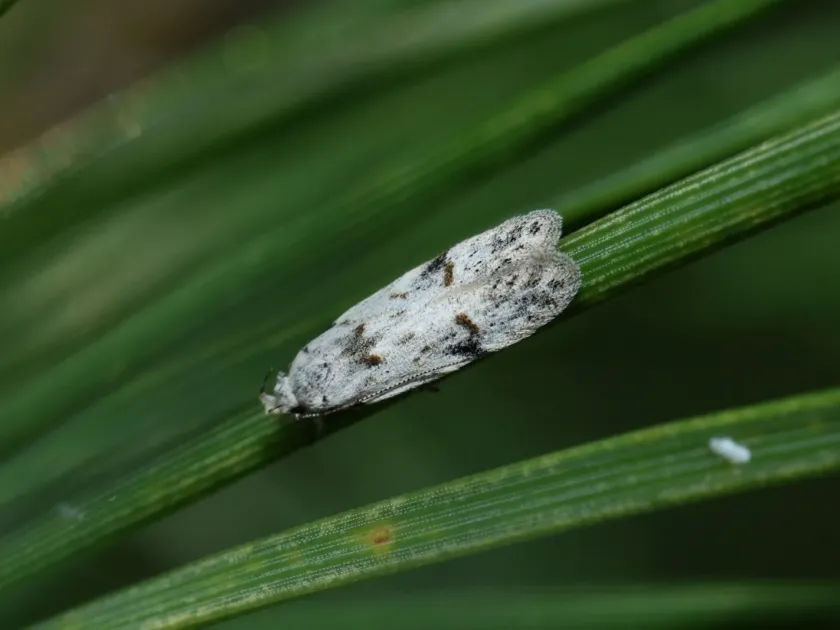
Carpatolechia alburnella is a small moth belonging to the Gelechiidae family. Adults typically have a wingspan ranging from 12 to 15 mm, with a subtle white-gray pattern on their forewings.
The larvae, or caterpillars, undergo several instars of growth. In their later stages, they often exhibit a greenish coloration, which serves as camouflage against the foliage of their host trees.
The life cycle involves complete metamorphosis. Depending on the geographical region and climate, the species usually hibernates as a pupa in protected places like bark crevices.
Adult moths are primarily nocturnal or crepuscular, meaning they are most active during the twilight hours, which makes them difficult to observe during the day.
This species is widely recognized as a component of the entomofauna in deciduous forests, particularly those dominated by birch species.
What it damages
The primary host plants for Carpatolechia alburnella are trees of the Betulaceae family, specifically birch (Betula spp.). They are highly specialized feeders on these trees.
Larvae feed on the leaf parenchyma, often causing skeletonization or creating irregular holes in the leaf blades. This significantly impairs the tree's photosynthetic ability.
The larvae spin fine silk webs, pulling the leaves together to create shelters. This behavior protects them from weather conditions and natural predators while they feed.
Severe infestations can lead to partial or total defoliation of the tree crown, which stresses the host plant and makes it vulnerable to secondary infections.
Damage is particularly detrimental to saplings and young trees, as it stunts their vertical growth and negatively affects their overall development.
Signs of infestation
The most visible sign of an infestation is the presence of rolled or folded leaves, which are tied together with silk threads produced by the larvae.
Small, dark, granular frass (larval excrement) is often found inside these rolled leaves, serving as a clear indicator of active feeding activity by the caterpillars.
Leaves that turn brown and appear scorched, even in the middle of the growing season, indicate significant larval damage that has killed the underlying leaf tissues.
The presence of small cocoons or pupae tucked into the bark or within dead leaf litter around the base of the tree confirms the completion of the life cycle.
Noticeable bird activity, such as increased pecking at the foliage, can serve as a biological indicator that a caterpillar population is present in the tree canopy.
Control measures
Mechanical control is effective in small areas: pruning and destroying infested leaves and twigs significantly reduces the number of larvae in the local population.
Biological pest management involves preserving populations of insectivorous birds and parasitic wasps, which act as natural regulators of the moth population.
If chemical intervention is necessary, targeted application of environmentally safe insecticides during the early larval stage provides the most effective results.
Maintaining tree vigor through proper watering and soil fertilization helps trees recover faster from damage and increases their natural resistance to pests.
Sanitation practices, such as removing and composting fallen leaf litter in late autumn, effectively remove overwintering sites for the next generation.
Taxonomy
- Latin name
- Carpatolechia alburnella
- Order
- Lepidoptera (butterflies)
- Family
- Gelechiidae
- EPPO code
- KARPAL
Discussion
No discussions yet — be the first.