
Carpatolechia
Carpatolechia
Description
How to identify
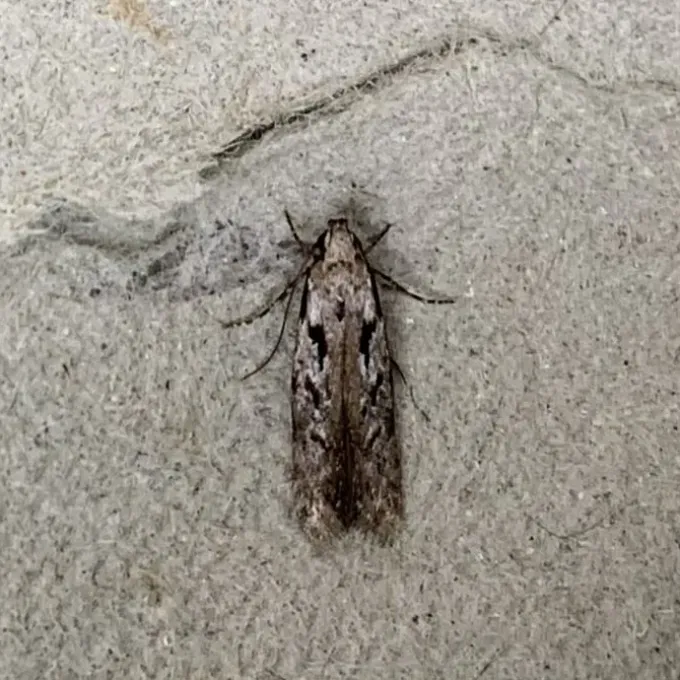
Carpatolechia is a genus of moths belonging to the family Gelechiidae. These insects are characterized by their small size and cryptic coloration, which allows them to blend in perfectly with tree bark and foliage.
Identification at the species level usually requires examining the genitalia of the adults, as many members of the genus possess very similar external appearances.
The larvae are typically pale green or yellowish, allowing them to remain camouflaged while feeding on the leaves of host plants during the growing season.
Like most gelechiids, they undergo a complete life cycle, consisting of egg, larva, pupa, and adult stages, with each stage requiring specific environmental conditions.
Adult moths are primarily nocturnal and are attracted to light, which makes light traps a common tool for entomological monitoring and study of these populations.
What it damages
Carpatolechia species primarily feed on deciduous trees, with a strong preference for members of the Rosaceae family, which includes many vital fruit crops.
The larvae cause direct damage by skeletonizing leaves or consuming large portions of the leaf blade, which significantly disrupts the photosynthesis process of the tree.
In addition to foliage, larvae may damage young buds and shoots, potentially stunting the tree's growth and affecting the development of fruit-bearing structures.
Severe infestations can lead to premature leaf drop, causing the tree to lose energy reserves necessary for survival through the winter and for producing a healthy crop.
While often seen in orchards, some species can inhabit wild host plants, which serve as reservoirs for migration into commercial plantations when conditions are favorable.
When it appears
The life cycle begins in early spring when larvae emerge from hibernation to feed on the tender, newly formed leaves and developing buds of fruit trees.
Depending on the climatic zone, the pest may complete one or more generations per season, with peak activity often corresponding with the warmest months.
Adult moths typically emerge in late spring or early summer, with their flight periods coinciding with the blooming or fruit-setting phases of the host plants.
Larval activity is most intense during the period of rapid vegetative growth in May and June, when the plant offers the most abundant food source.
Overwintering usually occurs in the pupal or late-larval stage, hidden securely in bark crevices, under forest debris, or within the upper layers of the soil.
Signs of infestation
The most common sign of infestation is the presence of rolled or folded leaves, tied together with fine silk threads, which serve as protective shelters for the larvae.
Small holes or extensive leaf tissue consumption patterns are easily visible evidence of the larvae feeding on the foliage.
Dark, granular frass (excrement) is frequently found inside the silken shelters or on the leaves immediately below the larval feeding sites.
Stunted growth of apical shoots and noticeable yellowing of leaves in certain parts of the canopy can indicate a persistent population of these pests.
- Silk-webbed leaf nests.
- Ragged leaf edges or circular feeding holes.
- Accumulations of dark frass.
- Premature yellowing and shedding of damaged leaves.
Control measures
Cultural practices, such as the systematic removal and destruction of fallen leaves in autumn, are crucial for reducing the overwintering pupal population.
Encouraging the presence of natural enemies, including predatory insects, parasitic wasps, and insectivorous birds, provides effective long-term biological control.
Biological insecticides based on Bacillus thuringiensis are highly effective against early larval stages while minimizing risks to beneficial non-target organisms.
Chemical control should be utilized only when monitoring data indicates that the population has crossed the economic damage threshold for the crop.
The strategic placement of pheromone traps helps growers identify the precise timing of adult flight, ensuring that control measures are applied at the most vulnerable stage.
Taxonomy
- Latin name
- Carpatolechia
- Order
- Lepidoptera (butterflies)
- Family
- Gelechiidae
- EPPO code
- KARPSP
Discussion
No discussions yet — be the first.