
Carcelia lagoae
Carcelia lagoae
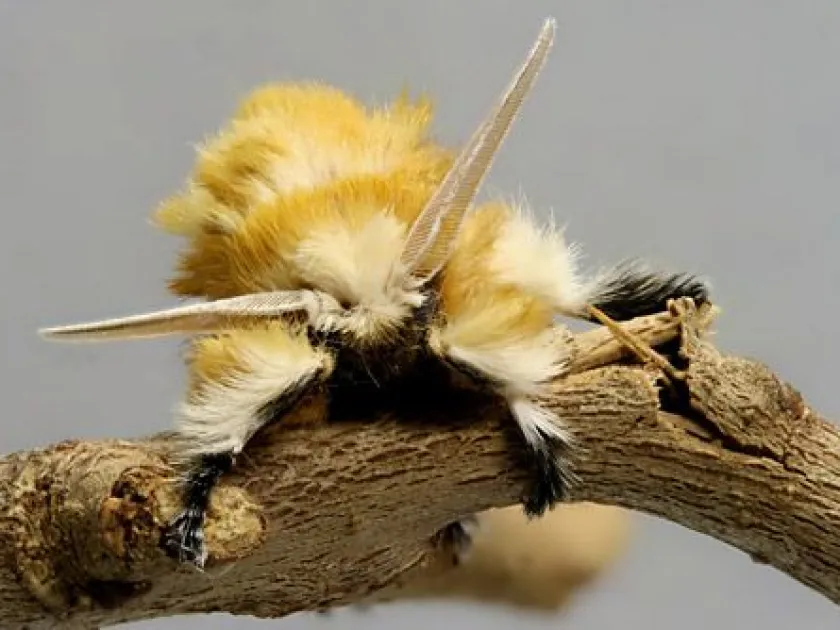
Description
How to identify
Carcelia lagoae is a species of parasitic fly belonging to the family Tachinidae, order Diptera. These flies are highly specialized biological agents that have evolved to target specific host insects.
The adults are typically robust, bristly, and resemble common house flies in general appearance, though their taxonomic features are more complex and distinct upon microscopic examination.
The larval stage is internal; once an egg is deposited on or near a host, the developing larva burrows into the host's body, utilizing its internal tissues for nutrition.
The lifecycle concludes with the larva exiting the host's carcass to pupate in the soil or protected leaf litter, successfully completing the transformation from larva to adult.
Accurate species identification requires a morphological assessment of the thoracic and abdominal bristles, which are key taxonomic traits for identifying members of the Tachinidae family.
What it damages
This species does not damage crops. Instead, it serves as a beneficial entomophage, naturally regulating the populations of various leaf-eating caterpillars and other pests.
By parasitizing larvae of Lepidoptera, Carcelia lagoae significantly reduces the feeding pressure on agricultural, horticultural, and forestry crops.
In an agricultural setting, the presence of these flies is highly advantageous, as it aids in the natural suppression of outbreaks that would otherwise require heavy insecticide intervention.
They act as one of nature’s primary control mechanisms, ensuring that the ecological balance is maintained and that pest densities remain below the economic threshold.
Therefore, the species provides a significant ecosystem service, contributing to healthier plant development and higher crop yields without the use of synthetic chemicals.
When it appears
The activity period of Carcelia lagoae is closely aligned with the life cycles of its primary hosts. In most temperate regions, peak activity occurs during the late spring and summer months.
Adult flies emerge when environmental temperatures are optimal, allowing them to locate mates and oviposition sites effectively across field environments.
Multiple generations may occur throughout the growing season if environmental conditions, such as sufficient warmth and humidity, remain favorable for the host populations.
As autumn approaches and temperatures decline, these flies prepare for diapause, typically overwintering as pupae protected deep within the soil profile.
Phenological synchronization between the emergence of the flies and the presence of susceptible host larvae is essential for the continued success of the species in a specific landscape.
Signs of infestation
The presence of this parasitoid is evidenced by observing sluggish behavior in target caterpillar populations, as the parasitized larvae stop feeding and slow down before death.
Close inspection of a host carcass often reveals exit holes, indicating that a fully developed larva has left the body of the caterpillar to proceed toward pupation.
The discovery of puparia — small, dark-colored capsules — in the soil surface beneath affected foliage provides evidence that the population is successfully established in the field.
Farmers might observe a sudden stabilization or decline in pest numbers, which often serves as an indirect sign that natural biocontrol agents like these tachinid flies are at work.
Laboratory confirmation via the dissection of collected larvae can definitively identify the presence and infestation rates of Carcelia lagoae in specific crops.
Control measures
As a beneficial organism, there are no control measures designed to eradicate Carcelia lagoae; instead, efforts should focus on habitat conservation and population support.
The primary management strategy involves the judicious use of pesticides. Growers should avoid non-selective, broad-spectrum insecticides that could cause high mortality in beneficial fly populations.
Integrating floral strips and hedge rows into agricultural landscapes provides essential nectar sources for adult tachinid flies, which helps increase their longevity and reproductive success.
Preserving undisturbed soil areas and minimizing intensive tillage practices helps protect the overwintering pupae, ensuring a healthy generation emerges the following spring.
Adopting an Integrated Pest Management (IPM) approach allows farmers to prioritize these natural biological processes, ultimately reducing dependency on chemical inputs and promoting sustainable farming.
Taxonomy
- Latin name
- Carcelia lagoae
- Order
- Diptera (flies)
- Family
- Tachinidae
- EPPO code
- CRCLLG
Discussion
No discussions yet — be the first.