
Carcelia formosa
Carcelia formosa
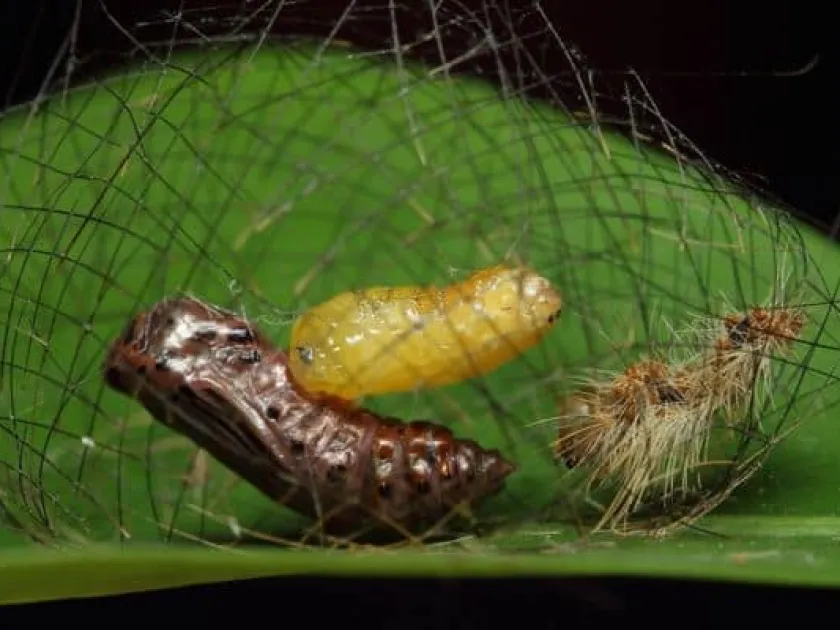
Description
How to identify
Carcelia formosa is a member of the family Tachinidae within the order Diptera. These flies are widely recognized for their role as parasitoids, meaning their larvae develop within the bodies of other insects, typically caterpillars of various moths and butterflies.
Adult flies of this species exhibit the typical morphological characteristics of the family Tachinidae. Their bodies are robust and covered in strong, stiff bristles, which serve both as sensory organs and as a defense mechanism against potential predators.
Identification often requires examination of specific anatomical features, including the structure of the head and the arrangement of setae on the abdomen. In laboratory settings, specialists use these diagnostic traits to differentiate Carcelia formosa from other related tachinid species.
Their life cycle is highly specialized, requiring a host organism for the survival of the offspring. The female fly displays remarkable behavioral patterns to ensure her eggs are laid in close proximity to, or directly on, the chosen host species.
In the context of an agro-ecosystem, this insect is generally categorized as a beneficial species. By naturally limiting the population of various lepidopteran insects, it contributes to the self-regulation of pest populations in agricultural fields.
What it damages
Carcelia formosa does not cause direct damage to cultivated plants. It lacks the mandibles or feeding structures required to consume plant tissues, such as leaves, roots, or stems, making it harmless to the crops themselves.
The ecological impact of this species is indirect. By acting as a parasitoid for various caterpillars, it functions as a natural regulator. Therefore, it does not harm crops; instead, it frequently aids in protecting them from more destructive pests.
The "damage" potentially caused by this species is limited to situations where it might parasitize beneficial insects, such as pollinators or other helpful lepidopterans. However, this is rarely considered a major economic threat in standard agricultural practice.
In most commercial farming environments, the presence of these flies is welcomed. Their role in suppressing pest populations can reduce the need for synthetic chemical applications, thereby lowering production costs and environmental impact.
Overall, Carcelia formosa is viewed as an ally rather than a threat. Agronomists prioritize the conservation of such parasitoids as an essential part of sustainable crop management and integrated pest control strategies.
When it appears
The activity of adult Carcelia formosa is strictly seasonal and depends heavily on the prevailing weather conditions. They begin their active phase in spring as temperatures rise, signaling the emergence of their host species.
Peak population levels are generally observed during the summer months. This timing is critical, as it aligns with the mass emergence of caterpillar generations, providing the necessary food source for the fly’s developing larvae.
The reproductive cycle is dynamic and synchronized with the availability of hosts. Depending on climatic factors, the species may produce multiple generations throughout a single season, maintaining a consistent presence in the field.
As autumn approaches, the flies prepare for the winter months by entering a dormant state, known as diapause. This often occurs inside the remains of the host or within the soil, protecting them from harsh temperatures.
Agronomic monitoring of this insect's seasonal rhythm helps in making informed decisions regarding field management. Recognizing when these flies are active allows farmers to time their interventions in a way that protects beneficial populations.
Control measures
There are no control measures designed to eradicate Carcelia formosa because it is considered a beneficial insect. Instead, protection and conservation of this species are recommended to enhance biological pest control.
The primary management strategy is the reduction of broad-spectrum insecticides. These chemicals are non-selective and pose a significant risk to the natural enemies of pests, including the tachinid flies, causing ecological imbalance.
Agronomists should adopt Integrated Pest Management (IPM) practices, which prioritize selective pesticides that target specific pests without harming non-target beneficial species like Carcelia formosa.
Field margins with flowering plants serve as important habitats for adult tachinids. Providing a source of nectar and shelter near crop fields helps increase their survival rate and efficiency in searching for host caterpillars.
The ultimate goal of control strategies is to maintain a healthy balance in the ecosystem. By fostering the presence of these natural enemies, farmers can achieve more sustainable crop yields and reduce reliance on expensive chemical inputs.
Taxonomy
- Latin name
- Carcelia formosa
- Order
- Diptera (flies)
- Family
- Tachinidae
- EPPO code
- CRCLGN
Discussion
No discussions yet — be the first.