
Capper fly
Capparimyia aristata
Description
How to identify
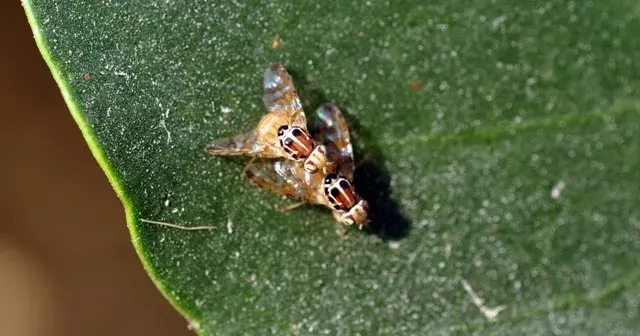
The Capper fly (Capparimyia aristata) is an insect belonging to the order Diptera and the family Tephritidae, commonly known as fruit flies. The adult fly is characterized by distinct patterns on its wings, typical for many members of this family.
The biological cycle of this pest is strictly host-specific, centered around the caper plant (Capparis). Adult females utilize their specialized ovipositor to insert eggs directly into the developing floral buds or young fruits.
The larvae are legless and creamy-white in color. Upon hatching, they begin feeding on the internal tissues of the caper bud, which provides them with essential nutrients for their development.
Pupation typically takes place within the damaged bud or in the soil beneath the host plant. The emergence of the new generation of adults completes the life cycle, which can repeat multiple times during the growing season.
Understanding the synchronization of this pest with the host's flowering phenology is crucial for successful monitoring and mitigation efforts in commercial caper production.
What it damages
The Capper fly is a specialist pest of the genus Capparis, particularly the commercially important Capparis spinosa. It causes direct injury to the flower buds, which are the primary harvested product.
As larvae feed internally, they destroy the structure of the bud, making the harvest unusable for culinary purposes. This results in significant quantitative and qualitative losses for the farmer.
In cases of severe infestation, the cumulative damage can lead to the loss of a vast majority of the potential flower harvest, threatening the economic viability of the entire plantation.
Beyond the buds, the larvae may also impact young fruits, leading to premature fruit drop and a reduction in the plant's ability to produce viable seeds for natural regeneration.
The pest's impact is most devastating during the peak flowering stage, as the succulent buds are the most attractive sites for oviposition by the adult females.
Signs of infestation
The most prominent sign of infestation is the premature yellowing and dropping of buds. While they may appear healthy from the outside, internal examination reveals larval tunnels and decay.
Minute puncture marks on the surface of the buds are the primary indicators of oviposition activity. These marks are often accompanied by localized dark spots or necrosis of the surrounding tissue.
Dissecting a suspect bud will often reveal the presence of the cream-colored larvae along with frass (larval waste), which causes the internal structure of the bud to rot quickly.
Field observations during warm, sunny hours may reveal adult flies resting on the foliage or hovering around the flower buds, though they are small and can be easily overlooked.
A noticeable decrease in the number of open, healthy flowers on the plants despite favorable environmental conditions is a strong indicator of heavy pest pressure.
Control measures
Management of the Capper fly requires an integrated approach focusing on cultural practices and targeted interventions. Frequent harvesting is the primary method to prevent larval establishment.
Sanitation is critical; all dropped and infested buds must be collected and removed from the field to prevent the next generation of flies from emerging from the soil.
Monitoring the adult population using pheromone or sticky traps provides essential data on the timing of fly activity, which is necessary to optimize the application of any control measures.
Chemical control should be used sparingly and in accordance with local residue regulations, given that the crop is intended for direct human consumption.
- Regular monitoring using sticky traps for adult counts.
- Strict harvesting schedules to remove buds before oviposition.
- Consistent cleanup of fallen fruit and debris under bushes.
- Use of biological control agents where applicable.
- Application of approved insecticides at critical population thresholds.
Taxonomy
- Latin name
- Capparimyia aristata
- Order
- Diptera (flies)
- Family
- Tephritidae
- EPPO code
- CPMMAR
Discussion
No discussions yet — be the first.