
Capparimyia
Capparimyia
Description
How to identify
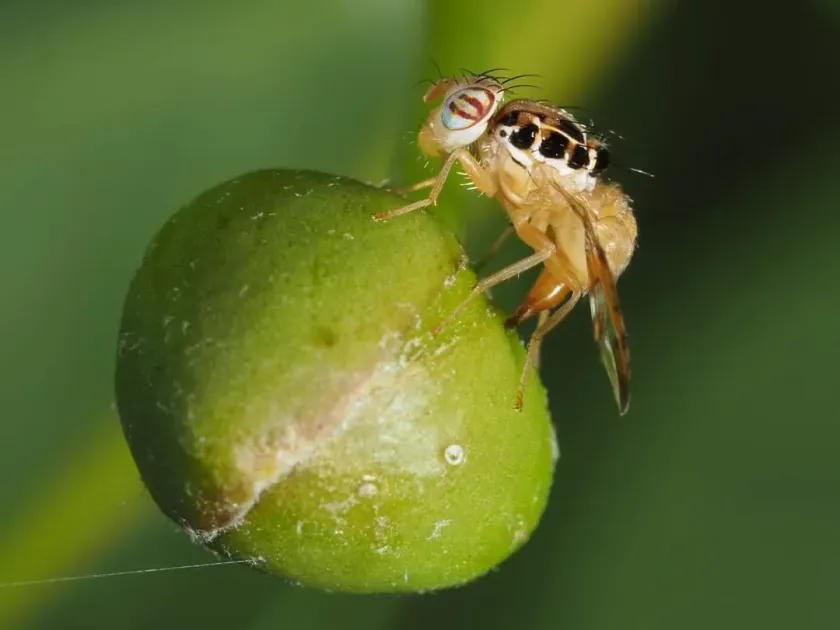
Capparimyia is a genus of fruit flies within the Tephritidae family, belonging to the order Diptera. These small insects are highly specialized, targeting plants specifically within the Capparaceae family.
Adult flies are typical of fruit flies, characterized by intricate, patterned wings and a body length generally ranging from 3 to 5 millimeters, making them discreet in field conditions.
The larvae, which are the main damaging stage, exhibit a cylindrical body shape, narrowing at the anterior end, and are typically creamy white or yellowish in color.
The life cycle is closely synchronized with the phenology of their host plants. Females use a sharp, specialized ovipositor to insert eggs into the tissues of flower buds or developing fruit.
Pupation occurs either within the infested plant tissue or in the upper layers of the soil beneath the host plant, allowing the insect to survive unfavorable environmental conditions.
What it damages
The primary hosts of Capparimyia include both wild and cultivated species of capers, most notably the European caper (Capparis spinosa).
The larvae infest the flower buds, which are the primary economic product, rendering the harvest useless for commercial pickling or consumption.
Developing fruits are also heavily impacted, as larvae feed internally, creating tunnels that destroy the plant tissues and hinder normal fruit maturation.
In regions where capers are grown commercially, this pest can be responsible for significant crop losses, leading to premature abscission of buds and fruit.
Besides direct tissue destruction, the feeding activity often introduces secondary pathogens, including bacteria and fungi, which cause rot and plant health decline.
Signs of infestation
The most common sign of infestation is the premature yellowing and malformation of buds that should otherwise remain firm, green, and tight.
Careful inspection of the bud surface often reveals tiny puncture marks caused by the female's ovipositor, frequently surrounded by small necrotic spots.
Dissecting the suspected buds will typically reveal the presence of small larvae tunneling through the delicate internal floral structures.
Infested fruits or buds tend to lose their turgor pressure, appearing wilted before eventually detaching and falling to the ground.
Advanced infestations are characterized by hollowed-out cavities within the bud or fruit, containing larval waste products and decaying plant material.
Control measures
Sanitation practices, such as the frequent removal and destruction of fallen or infested buds, are critical to interrupting the pest's reproductive cycle.
Yellow sticky traps with specific attractants serve as both a monitoring tool to detect adult flight and a way to reduce the population density of imagos.
Cultivation practices like deep tillage or hoeing around the base of the bushes can disrupt the pupation sites in the soil, leading to increased mortality.
Biological control strategies may involve the release of parasitic wasps or the use of entomopathogenic fungi to suppress the population naturally.
Chemical control should be reserved for high-infestation levels, using insecticides specifically approved for use on capers, while adhering strictly to pre-harvest safety intervals.
Taxonomy
- Latin name
- Capparimyia
- Order
- Diptera (flies)
- Family
- Tephritidae
- EPPO code
- CPMMSP
Discussion
No discussions yet — be the first.