
Campiglossa
Campiglossa
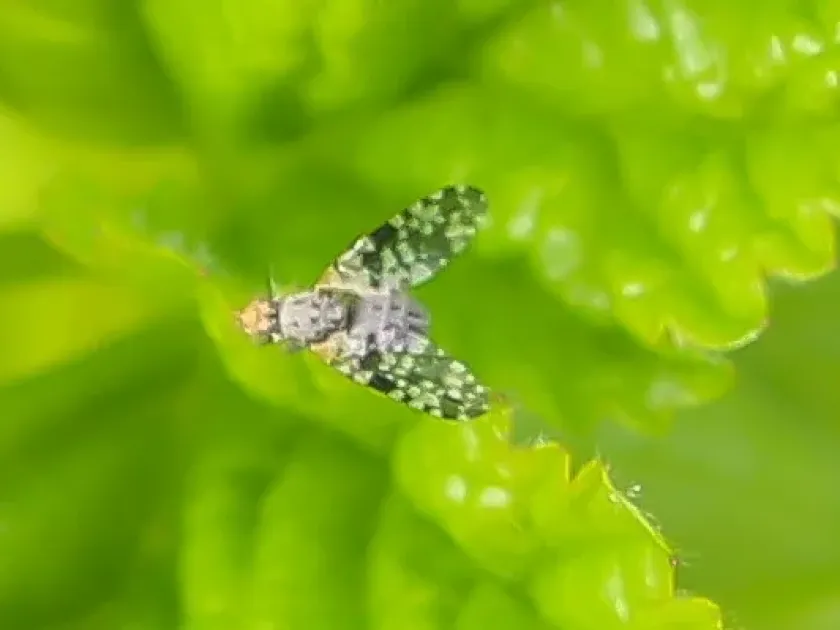
Description
How to identify
Campiglossa is a genus of flies belonging to the family Tephritidae, commonly known as fruit flies or picture-winged flies. These insects are characterized by their intricate wing patterns, which are a diagnostic feature of many species within this diverse family.
Adult flies of the genus Campiglossa possess slender bodies often covered with fine setae. Their mouthparts are evolved for feeding on fluids, particularly nectar, and they are typically found on the flower heads of their host plants during the day.
Identification of specific Campiglossa species is often challenging and frequently requires the examination of male genitalia and detailed wing venation patterns under high magnification. This level of taxonomic detail is necessary to distinguish them from closely related genera.
The larval stage, which is the primary cause of damage, is legless and cylindrical. The larvae are equipped with strong mouth hooks used to macerate plant tissues, allowing them to feed efficiently within the protective environment of the flower heads.
Taxonomically, the genus is placed within the order Diptera. These flies have established long-term evolutionary relationships with host plants in the family Asteraceae, which dictates their specific ecological requirements and distribution patterns.
What it damages
Campiglossa larvae primarily target plants within the Asteraceae family. They represent a significant pest issue for various agricultural sectors, including ornamental flower production, medicinal herb cultivation, and certain oilseed crops.
The damage occurs when larvae penetrate the flower buds or developing heads. Once inside, they feed voraciously on the receptacle and developing seeds, effectively destroying the plant's reproductive organs and preventing normal seed formation.
In addition to direct seed loss, the aesthetic value of the plants is severely compromised. For cut flower producers, infestation renders the crop unmarketable, as the flower heads appear deformed, withered, or prematurely browned.
A secondary consequence of the larval feeding is the introduction of opportunistic pathogens. The entry holes created by the larvae serve as entry points for various bacteria and fungi, leading to rot and rapid degradation of the affected flower heads.
The severity of the damage is highly dependent on environmental factors and population density. A single infestation event can lead to substantial yield losses, particularly in fields where management practices are insufficient during the flowering window.
When it appears
The life cycle of Campiglossa is highly synchronized with the phenology of their host plants. Adult emergence typically coincides with the onset of the budding phase of susceptible host species, ensuring an immediate food source and oviposition site.
The overwintering phase usually occurs in the pupal stage, typically located within the soil or in dry plant debris. As temperatures rise in spring, the adults emerge to begin their cycle of mating and searching for suitable flower heads.
The duration of a single generation can range from a few weeks to a month depending on ambient temperature. In temperate climates, Campiglossa may complete one or more generations throughout the growing season, increasing the risk of sustained pressure on crops.
Activity peaks during the main flowering period of host plants, when the availability of nutritious flower heads is at its maximum. During this time, high concentrations of adults can be observed on the blooms, engaging in feeding and mating.
As the growing season draws to a close, the final generation of larvae pupates, entering a period of diapause. This enables the pest to survive the harsh winter conditions and re-emerge the following season, maintaining the cycle of infestation.
Signs of infestation
One of the first signs of Campiglossa presence is the appearance of small, distinct holes on the flower head involucres. Near these entry points, one can often find small deposits of frass, which are fecal pellets produced by the larvae during feeding.
Infested flower heads often display irregular shapes and deformities. When these heads are dissected, the presence of yellowish or whitish larvae inside confirms the infestation, as they are found consuming the interior tissues.
Premature wilting or darkening of marginal petals is another key indicator. This symptom occurs because the internal damage caused by the larvae disrupts the vascular system, preventing water and nutrients from reaching the outer parts of the flower.
During harvest, an infested crop will yield noticeably fewer seeds. Instead of healthy seeds, the interior of the flower head may contain only dry debris and larval waste, indicating that the reproductive potential of the plant has been fully compromised.
Observing adult flies during sunny weather is possible, as they are relatively active. They are usually found on the surface of the flowers but are quite skittish and will readily fly off when disturbed, moving to nearby plants.
Control measures
Cultural control is the cornerstone of Campiglossa management. Deep autumn plowing is a highly effective method for destroying overwintering pupae that reside in the soil, effectively reducing the starting population for the next season.
Sanitation plays a crucial role in preventing outbreaks. Removing and destroying wild Asteraceae weeds around the perimeter of production fields significantly limits the refugia available for the flies during the off-season.
Promptly collecting and discarding infested flower heads at the first signs of damage can help curtail the expansion of the population within the field. It is essential to dispose of this plant waste away from production areas to prevent further infestation.
Biological control strategies, such as encouraging natural predators and parasitoids, offer a sustainable alternative. Maintaining floral strips that support these natural enemies can help provide a natural balance in the ecosystem.
Insecticide use should be restricted to cases where economic thresholds are exceeded. Applications should target the adult stage before oviposition occurs, as this prevents the larvae from ever establishing themselves within the flower heads.
Taxonomy
- Latin name
- Campiglossa
- Order
- Diptera (flies)
- Family
- Tephritidae
- EPPO code
- CAMGSP
Discussion
No discussions yet — be the first.