
Calliteara horsfieldii
Calliteara horsfieldii
Description
How to identify
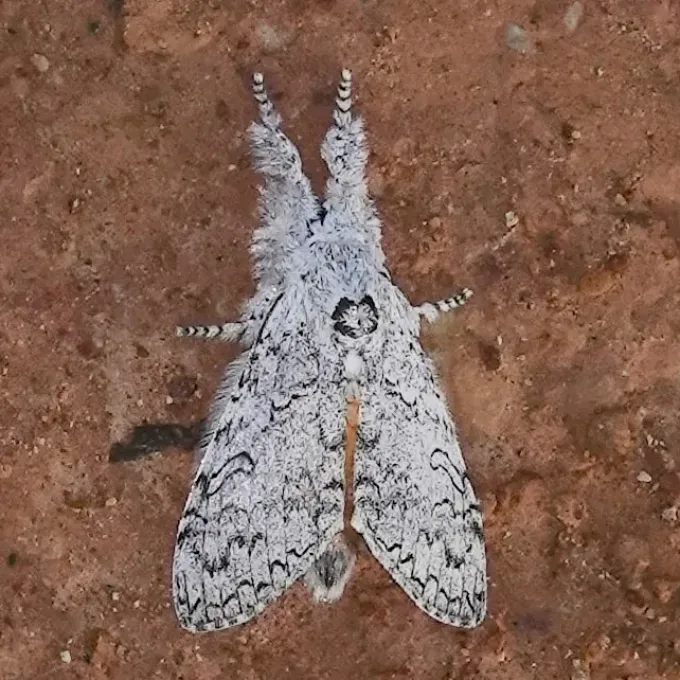
Calliteara horsfieldii is a moth species belonging to the Erebidae family, specifically the Lymantriinae subfamily, widely known as tussock moths due to their larvae's appearance.
The larvae are characterized by dense tufts of hair, often brightly colored, which can cause irritation upon contact, serving as a defensive mechanism against predators.
Adult moths generally have a gray or brown coloration, providing effective camouflage against tree bark, which makes them difficult to spot during daytime hours.
The life cycle includes four distinct stages: egg, larva, pupa, and adult, with the larval stage being the most damaging phase for agricultural productivity.
In favorable environments, these moths can complete several life cycles in a single year, leading to rapid population surges that require constant monitoring.
What it damages
This species is a known polyphagous pest that feeds on a wide range of fruit-bearing trees, forest species, and ornamental plants across several continents.
Heavy infestations of Calliteara horsfieldii result in severe defoliation, which deprives the tree of its primary source of energy through photosynthesis.
Fruit quality and quantity are significantly reduced when trees are stressed by larval feeding, often leading to stunted fruit growth and early fruit drop.
Young seedlings are particularly vulnerable to this pest, as a significant loss of leaf area can lead to mortality if the infestation is not managed in time.
Persistent feeding damage weakens the overall vigor of the host plant, making it more susceptible to secondary infections from fungi and other pathogens.
Signs of infestation
Visible signs of infestation include ragged leaf edges, skeletal leaf damage, or completely consumed foliage, often starting in the upper sections of the canopy.
The accumulation of frass (larval droppings) on the leaves and surrounding soil is a key indicator of high larval activity in the upper branches.
Clusters of caterpillars can often be found on the undersides of leaves or along twigs, identified by their distinctive hairy or tufted appearance.
Premature leaf drop in mid-season is another hallmark of heavy caterpillar feeding, indicating significant damage to the structural integrity of the canopy.
The discovery of silken cocoons nestled within bark crevices or rolled leaves signals that the population is entering the pupal stage.
Control measures
Integrated Pest Management (IPM) is recommended to control Calliteara horsfieldii, focusing on both cultural practices and targeted chemical interventions.
Biological control methods, such as utilizing Bacillus thuringiensis sprays, have proven effective in reducing caterpillar populations while minimizing impact on beneficial pollinators.
Chemical control should be timed correctly with the early larval instars, as they are most susceptible to insecticide treatment before reaching full maturity.
Maintaining high levels of orchard hygiene, including the removal of damaged twigs and pupal cases, reduces the overall pest load for the following season.
- Monitor tree health regularly to catch early larval outbreaks.
- Encourage the presence of natural predators, such as predatory beetles and wasps.
- Use pheromone traps to monitor adult flight periods and inform spray schedules.
Taxonomy
- Latin name
- Calliteara horsfieldii
- Order
- Lepidoptera (butterflies)
- Family
- Erebidae
- EPPO code
- CAITHO
Discussion
No discussions yet — be the first.