
Callistomyia
Callistomyia
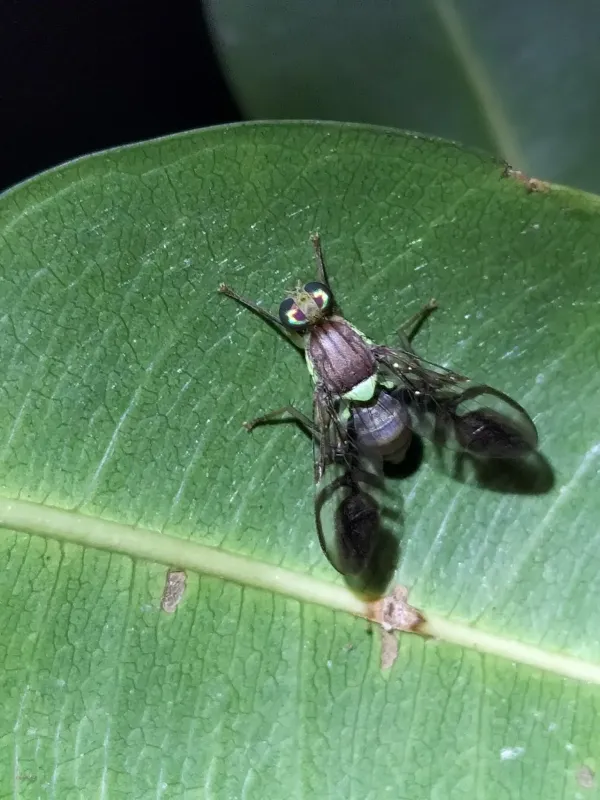
Description
How to identify
Callistomyia is a genus of insects belonging to the family Tephritidae, commonly known as fruit flies or picture-winged flies. These insects are easily recognized by the complex patterns of dark bands and spots on their wings.
The adults are relatively small, typically measuring 5 to 7 millimeters in length. They often possess vivid color patterns that serve as camouflage, helping them blend into the foliage and fruit surfaces of their host trees.
The larvae of Callistomyia are typical of the Tephritidae family: they are legless, maggot-like creatures, usually creamy or white in color. They are equipped with robust mouth hooks used for burrowing into fruit tissue.
Identification of specific species often requires professional entomological examination of wing venation and specific morphological traits of the genitalia. Correct identification is crucial for selecting appropriate trap types.
These flies thrive in temperate and subtropical environments where a consistent supply of host fruits is available throughout the growing season, allowing for continuous population growth.
What it damages
Callistomyia primarily attacks various types of fruit trees, causing significant damage to the quality and marketability of the yield. Both stone and pome fruits can be vulnerable to infestation.
The damage occurs during the fruit ripening phase. The female fly uses her ovipositor to insert eggs into the fruit flesh. Upon hatching, the larvae immediately begin feeding, creating tunnels inside the fruit.
Larval activity leads to rapid breakdown of the fruit tissues and often introduces secondary pathogens, such as fungi and bacteria, which cause the fruit to rot from the inside out.
Economic losses include both the direct destruction of fruit and the increased costs associated with pest monitoring and control programs required to mitigate the infestation levels.
In high-density populations, the infestation can result in significant crop failure, leading to up to 50% loss if preventative measures are not implemented promptly during the susceptible periods.
When it appears
The life cycle of Callistomyia is synchronized with the phenology of its host plants. They typically overwinter as pupae, either within the soil or protected under leaf litter near host trees.
Adult emergence occurs in the spring, coinciding with the flowering and early fruit development stages. This emergence period is often staggered, which requires long-term monitoring efforts.
Under favorable climatic conditions, multiple generations can occur within a single growing season. Higher temperatures generally speed up the development process, significantly increasing population size by late summer.
The peak activity of the pest typically occurs during the second half of the summer, as ripening fruits become increasingly attractive for oviposition. This period is the highest risk window for orchard managers.
As temperatures drop in the autumn, the flies begin to slow down their reproductive activities, eventually entering diapause to survive the winter months, marking the end of the seasonal activity cycle.
Signs of infestation
The initial sign of infestation is the presence of small puncture marks on the fruit skin, which are the sites where the female has laid her eggs. These are often surrounded by small, dark, depressed spots.
As larvae develop, the fruit begins to show signs of internal softening. The fruit may deform under pressure, and in advanced stages, liquid or pulp may leak from the entry points.
Once opened, infested fruits reveal complex feeding tunnels, often filled with larval excrement and decaying matter. This renders the fruit completely unsuitable for human consumption or processing.
Premature fruit drop is a reliable indicator that an orchard is heavily infested. Fallen fruits act as a reservoir for the next generation of pests, as larvae often complete their development before pupating in the soil.
Monitoring for adult flies is possible using yellow sticky traps or specialized food-based attractants. These tools are essential for detecting the arrival of the pest and determining the need for intervention.
Control measures
Cultural control is a primary management strategy. This involves the regular collection and proper disposal of fallen fruit, preventing larvae from completing their life cycle by migrating into the soil.
Cultivating the soil under the canopy of host trees in the fall and early spring can help expose and destroy overwintering pupae, significantly reducing the pressure for the following season.
The use of pheromone traps or attractant-based traps is highly effective for mass trapping males and reducing the overall reproductive success of the fly population within the orchard.
Chemical control programs use targeted insecticide applications during the peak flight of the adults, while strictly observing pre-harvest intervals to ensure the safety of the final fruit products.
Biological control, such as the release of parasitoid wasps or the use of entomopathogenic fungi, provides a sustainable and eco-friendly approach, often integrated into modern organic or IPM orchard programs.
Taxonomy
- Latin name
- Callistomyia
- Order
- Diptera (flies)
- Family
- Tephritidae
- EPPO code
- CLMYSP
Discussion
No discussions yet — be the first.