
Grape leaf mite
Calepitrimerus vitis
Description
How to identify
The grape leaf mite (Calepitrimerus vitis) is a microscopic member of the Eriophyidae family. Measuring less than 0.2 mm, these worm-like pests are invisible to the naked eye, necessitating the use of magnification tools to detect their presence on vine leaves and buds.
What it damages
These mites specifically target grapevines (Vitis vinifera). They puncture plant cells to feed on sap, which disrupts the photosynthetic process and interferes with the normal hormonal balance of the plant, often leading to restricted sap flow and stunted vegetation development.
When it appears
Adult females overwinter protected beneath the bud scales or in crevices of the bark on the grape canes. As temperatures rise in early spring and buds begin to swell, the mites emerge and migrate toward the young, succulent green tissue to begin feeding and laying eggs.
Signs of infestation
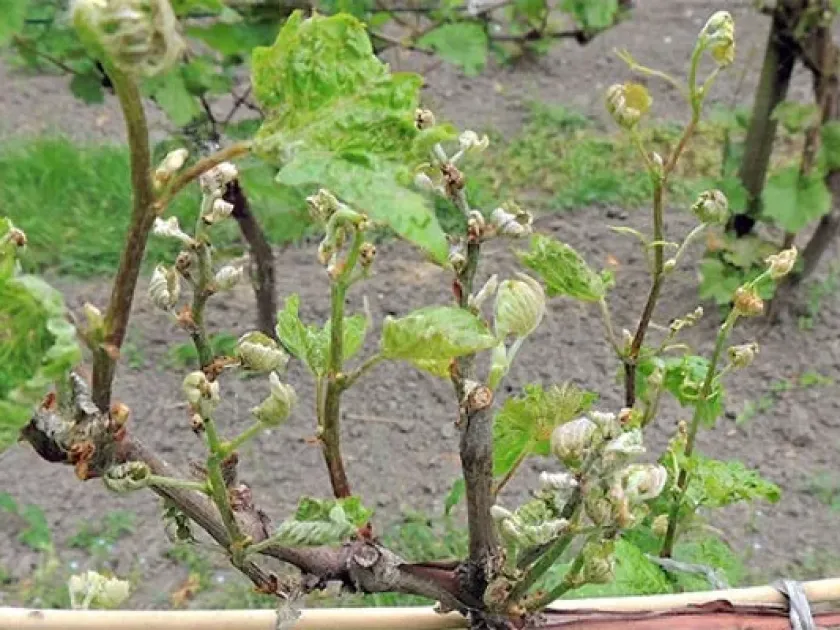
Symptoms include leaf distortion, curling, and a characteristic mosaic pattern of yellow or brownish spots on the leaf surface. In severe cases, internodes become shortened, shoot growth is stunted, and flowers or small berries may wither and drop, significantly reducing the overall yield.
Control measures
Effective management requires a combination of chemical and cultural practices. Regular monitoring of buds in early spring and the application of targeted acaricides or sulfur-based treatments are essential. Proper pruning and the removal of heavily infested wood during winter help reduce overwintering populations.
Taxonomy
- Latin name
- Calepitrimerus vitis
- Order
- Mites
- Family
- Eriophyidae
- EPPO code
- PHYCVI
Discussion
No discussions yet — be the first.