
Caenurgina
Caenurgina
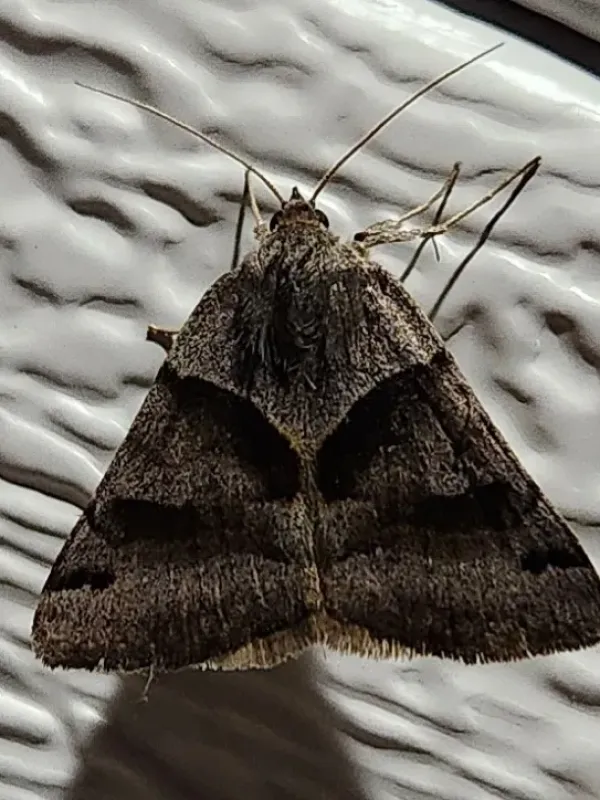
Description
How to identify
Caenurgina is a genus of moths belonging to the family Erebidae (formerly categorized within Noctuidae). These are medium-sized moths characterized by cryptic coloration, which helps them camouflage effectively against plant surfaces.
The wings of the adults feature complex patterns consisting of shades of brown, gray, and tan. The wingspan typically ranges between 30 and 40 millimeters, depending on the specific species within the genus.
The larvae, or caterpillars, of Caenurgina are known for their slender bodies decorated with distinct longitudinal stripes. They exhibit a characteristic looping movement, which serves as a primary morphological identifier during field surveys.
Females typically deposit their eggs on the undersides of the leaves of host plants. The egg clusters are usually small or laid individually, appearing round and cream-colored.
Pupation frequently occurs in the soil or within folded leaves of the host plant. The pupae are enclosed in a thin, silken cocoon often reinforced with soil particles for added protection.
What it damages
The primary hosts for Caenurgina caterpillars are members of the Fabaceae (legume) family. Significant damage is frequently reported in fields of alfalfa, clover, and various wild leguminous grasses.
During years of high population outbreaks, the larvae can destroy a substantial portion of the vegetation, leading to a drastic reduction in forage quality and yield of green mass and hay.
Damage is primarily observed during the spring and summer seasons. Early-instar larvae skeletonize the leaves, consuming the leaf tissue while leaving the veins intact, which stresses the plant and stunts growth.
As the larvae mature, they consume the entire leaf blade. In cases of high population density, the larvae may completely defoliate the stems of the legume crops.
In addition to direct foliage destruction, the pest causes indirect damage by weakening the plant's overall health, rendering it more susceptible to secondary diseases and fungal infections.
When it appears
The developmental cycle of Caenurgina is closely tied to regional climatic conditions. In temperate zones, adult moths initiate flight in late spring once average daily temperatures surpass their activity threshold.
Depending on ambient temperature, a single generation typically completes its life cycle within 4 to 6 weeks. In warmer climates, multiple generations can occur within a single growing season.
Caterpillars are most active during the first half of the summer. The peak of their feeding intensity coincides with the period of rapid crop growth, which is critical for biomass accumulation.
Pupation of the final generation occurs in the autumn. The pest successfully survives winter frost in the pupal stage or as a dormant caterpillar, hidden within soil debris or leaf litter.
Spring emergence of adults is generally synchronized with the initial regrowth of perennial grasses, ensuring an immediate food supply for the newly hatched larvae.
Signs of infestation
The first indication of an infestation is the presence of irregular holes in legume leaves. Careful inspection of the underside of the foliage may reveal egg clusters or small, newly emerged caterpillars.
The presence of specific larval droppings (frass) on the leaf surface beneath feeding sites is a strong indicator of caterpillar activity within the field.
Detecting "looping" caterpillars when brushing the foliage with an entomological net is a reliable method for confirming the presence of the pest in the crop.
A noticeable decrease in the regrowth speed of plants after the first harvest often signals that the pest has damaged the growing points or the younger foliage tiers.
- Skeletonized leaves found primarily at the top of the plant stems.
- Discovery of pupae within the topsoil during routine agrotechnical inspections.
Control measures
The primary control strategy for Caenurgina involves implementing effective crop rotation and timely agrotechnical practices that disrupt the pest's developmental cycle.
Deep plowing of the fields immediately after harvest is essential, as it destroys overwintering pupae and significantly reduces the potential population for the following season.
When the economic threshold of damage is reached, the application of systemic or contact insecticides is recommended. The choice of chemical depends on the crop growth stage and local regulatory guidelines.
Utilizing biological control methods, such as bacterial-based bio-insecticides or encouraging natural entomophages, helps suppress caterpillar populations without disrupting the surrounding ecosystem.
Monitoring adult flight patterns using pheromone traps allows for precise timing of pest control efforts, ensuring optimal results while minimizing the use of synthetic pesticides.
Taxonomy
- Latin name
- Caenurgina
- Order
- Lepidoptera (butterflies)
- Family
- Erebidae
- EPPO code
- CAENSP
Discussion
No discussions yet — be the first.