
Bryotropha
Bryotropha
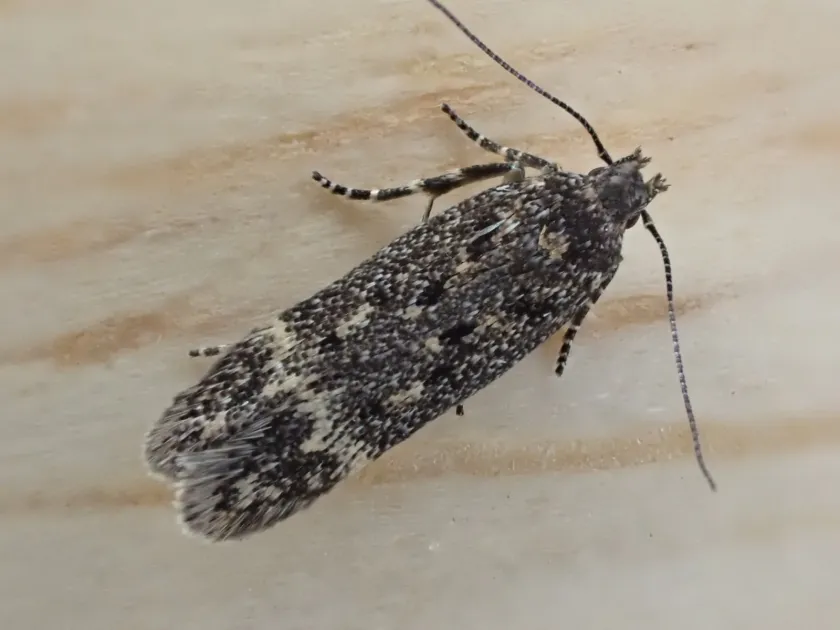
Description
How to identify
The genus Bryotropha consists of small moths belonging to the family Gelechiidae, commonly known as twirler moths. Adult moths typically have narrow, elongated wings adorned with cryptic patterns that provide excellent camouflage against tree bark or soil.
The life cycle of this pest progresses through four distinct stages: egg, larva (caterpillar), pupa, and adult. The larval stage is the most damaging, as these caterpillars actively feed on plant tissues to sustain their growth.
Larval coloration usually ranges from pale yellow to dark brown, allowing them to remain inconspicuous within their feeding sites. They possess well-developed head capsules, characteristic of many chewing insect pests.
Adult moths generally have a wingspan ranging from 10 to 15 millimeters. They are primarily nocturnal or crepuscular, making them difficult to spot during routine field inspections.
Identifying specific species within the Bryotropha genus is notoriously challenging due to their morphological similarity. Accurate classification often requires detailed laboratory examination of genital structures.
What it damages
These moths affect a wide variety of host plants, including cereals, vegetables, and select ornamental species. Larvae often damage leaves by creating irregular holes or mining into the leaf tissue, which disrupts the plant's photosynthetic capacity.
High population densities of Bryotropha larvae can lead to stunted plant growth, reduced vigor, and significant yield losses. By weakening the plant's immune system, these pests also make crops more susceptible to secondary pathogens.
Damage to the terminal growth points of young plants is particularly critical, as it can cause seedling mortality or significant physiological deformation. In some cases, feeding on flowers directly impacts the seed production and reproductive success of the plant.
Several species prefer herbaceous plants located in humid environments or on neglected field margins. Feeding damage is frequently localized near the stem base or at the crown of the plant.
Agricultural losses are most severe when poor farming practices allow weeds to act as reservoirs, sustaining large populations of the pest before they migrate to commercial crops.
When it appears
The developmental rate of Bryotropha is heavily dictated by seasonal temperature patterns. The most active larval feeding phase typically occurs in late spring and early summer, coinciding with rapid vegetative growth of crops.
Depending on the climatic region, the moth may complete one or two generations annually. Overwintering typically occurs in the larval stage, protected within cocoons tucked into the upper layer of soil or accumulated plant debris.
Mass emergence of adult moths occurs in the evening. Sudden spring temperature fluctuations can delay pupation, which complicates the timing of integrated pest management interventions.
Feeding intensity is highest during stable, warm weather. While drought can sometimes slow their development, the resulting stress on the host plants often maintains high levels of overall damage.
Monitoring for adult presence via light traps and pheromone lures is essential for detecting the onset of flight and timing potential control applications effectively.
Signs of infestation
The earliest signs of an infestation include skeletonized foliage or characteristic feeding windows on the leaves. Mining species will leave visible, light-colored meandering trails beneath the leaf surface.
Early-stage damage may include leaves rolled or folded at the margins, bound together by fine silk webbing produced by the caterpillars to create a protective retreat.
Inspecting the crown or the underside of leaves often reveals small, dark granular frass. Identifying these excrement spots is a crucial indicator of an active pest population in the area.
In cases of stem-boring or crown-feeding, one might observe wilting stems or deformed tips. Damaged areas often serve as entry points for subsequent fungal or bacterial infections, leading to rot.
Observing small moths flying near plant canopies during twilight hours is a strong signal that intervention might be necessary to protect the crop from further population growth.
Control measures
Integrated pest management starts with robust agricultural practices, particularly the removal of weed hosts that act as breeding grounds. Deep fall plowing can significantly reduce the overwintering larval population in the soil.
Strict crop rotation cycles help disrupt the life cycle of the moth, preventing it from establishing a persistent population in a specific field. Avoiding susceptible crops in adjacent fields over multiple seasons is also recommended.
During peak hatching periods, biological insecticides based on Bacillus thuringiensis are highly effective and pose minimal risks to beneficial insect populations.
Chemical control involving systemic insecticides is reserved for situations exceeding the economic injury threshold. It is vital to rotate active ingredients to prevent the development of insecticide resistance.
- Utilize pheromone traps for routine population monitoring.
- Maintain clean field borders by regular weed management.
- Encourage natural predators and parasitoids to keep populations below threshold levels.
Taxonomy
- Latin name
- Bryotropha
- Order
- Lepidoptera (butterflies)
- Family
- Gelechiidae
- EPPO code
- BRYTSP
Discussion
No discussions yet — be the first.