
Bradybaena circulus
Bradybaena circulus
Description
How to identify
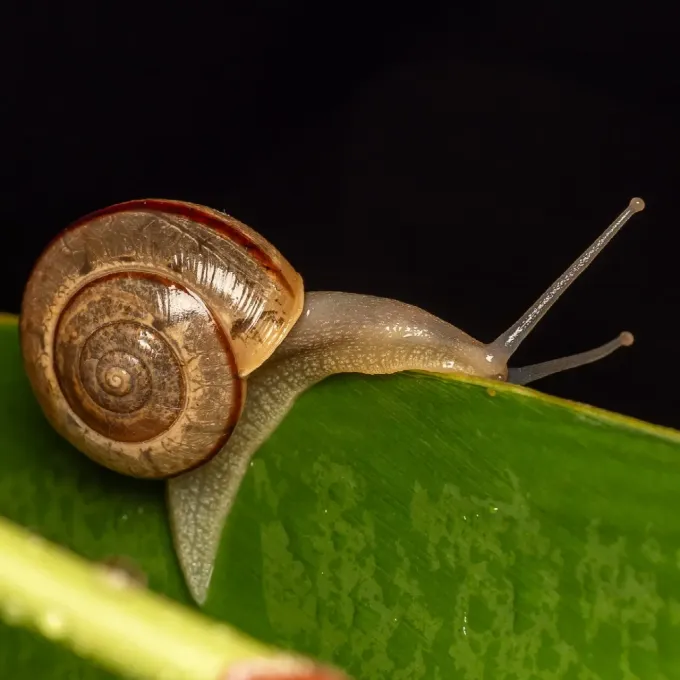
Bradybaena circulus is a land snail belonging to the family Bradybaenidae, order Stylommatophora. The shell of an adult snail is round, slightly flattened, and usually brownish or yellowish with faint striping patterns.
The soft body of the snail is typically grey or light beige. Adults usually measure between 15 and 20 mm in diameter, allowing them to remain hidden easily under debris or plant foliage.
These snails are nocturnal, preferring humid and shaded environments. During the day, they shelter beneath the soil surface, under decaying leaves, or in dense vegetation to avoid desiccation.
They reproduce by laying eggs in moist soil or organic matter. A single snail can produce numerous eggs, leading to rapid population expansion under suitable moisture conditions.
Overwintering occurs in the soil, where adults enter a state of dormancy until spring temperatures and increased humidity trigger their emergence.
What it damages
Bradybaena circulus is a polyphagous pest, meaning it feeds on a wide range of agricultural and horticultural crops. Vegetable crops such as cabbage, lettuce, cucumbers, and tomatoes are frequent targets.
The snails feed by rasping the surface of leaves, creating irregular holes. In cases of high infestation, they can skeletonize leaves, leaving only the primary veins behind.
Berries and fruits, particularly those touching the ground like strawberries, are often damaged. This not only causes direct loss of harvest but also introduces pathogens that lead to fruit rot.
Seedlings are particularly vulnerable and can be completely consumed overnight, resulting in significant crop failure and the need for replanting.
The overall impact on crop vigor is substantial, as heavy feeding weakens the plant, making it more susceptible to environmental stress and secondary disease infections.
Signs of infestation
The presence of irregular, jagged-edged holes in plant leaves is the most common indicator of snail activity in the garden.
A distinct, shiny trail of dried mucus left on leaves, stems, or the soil surface is a clear sign that Bradybaena circulus is active in the area.
Direct sightings of the snails on plants during the night or early morning are the most reliable way to confirm an infestation.
Rotting spots on fruits near areas where they have been gnawed indicate that the snail has caused structural damage, facilitating bacterial or fungal decay.
Small, granular fecal droppings found at the base of affected plants provide further evidence of the pest's recent feeding activity.
Control measures
Good sanitation practices, such as clearing weeds and removing plant debris, are essential to deprive the snails of their daytime hiding spots.
Physical barriers like copper tape or rough substances such as crushed eggshells, wood ash, or lime can deter snails from reaching sensitive vegetable beds.
The use of molluscicides, particularly those based on iron phosphate, provides a highly effective and relatively safe method for controlling large populations.
Traps using beer or fermented fruit juices can be placed in the garden to attract and collect the snails, which should then be removed and destroyed.
Promoting a healthy garden ecosystem by encouraging predators like hedgehogs, toads, and ground beetles helps keep the snail population under natural control.
Taxonomy
- Latin name
- Bradybaena circulus
- Order
- Molluscs
- Family
- Bradybaenidae
- EPPO code
- BRABCI
Discussion
No discussions yet — be the first.