
Brachmia
Brachmia
Description
How to identify
Brachmia is a genus of moths belonging to the family Gelechiidae, known for their specific life cycle and association with various grass species.
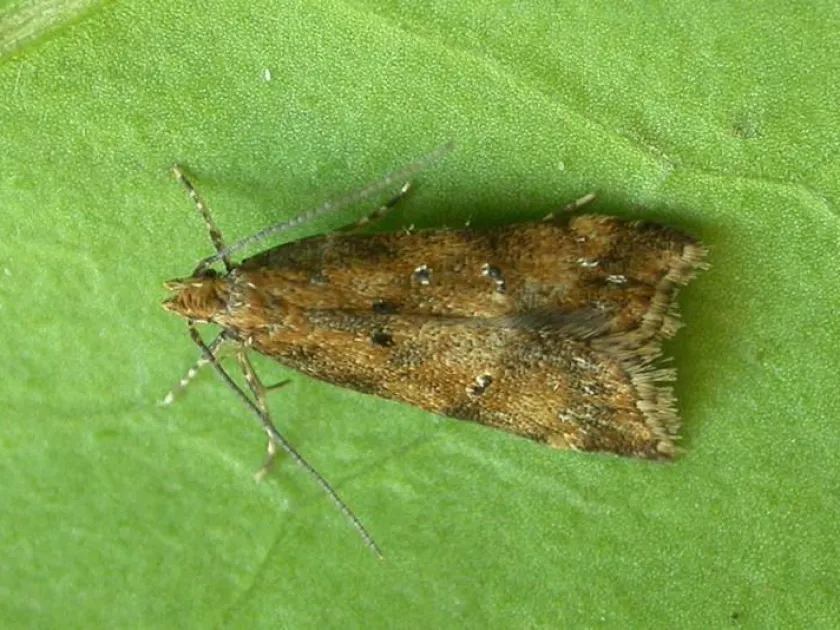
Adult moths are relatively small, typically featuring wingspans ranging from 15 to 20 mm, with camouflage-like patterns in shades of brown and grey.
The larvae, or caterpillars, are cylindrical in shape and can vary in color from pale white to green, often possessing dark markings on their body segments.
The head of the caterpillar is distinct and well-hardened, usually darker in color than the rest of the body, which aids in feeding within plant tissues.
As members of the Gelechiidae family, these insects undergo complete metamorphosis, passing through the stages of egg, larva, pupa, and adult.
What it damages
Brachmia primarily affects cereal crops and various wild grasses, which often serve as host plants for the development of subsequent generations.
The most significant damage is caused during the larval stage, as caterpillars bore into leaves, stems, and sometimes reproductive organs of the plants.
Early-stage larvae typically act as leaf miners, creating translucent tunnels that disrupt the photosynthetic capacity of the plant leaves.
Later larval stages consume more substantial plant tissues, which can lead to weakened stems, lodging, and a general decline in the plant's overall vigor.
Significant infestations can result in reduced grain quality and quantity, posing a direct threat to the agricultural productivity of the affected fields.
When it appears
The seasonal activity of Brachmia is highly dependent on ambient temperature and moisture levels, which trigger the emergence of adult moths from overwintering sites.
Adults usually emerge in late spring or early summer, aligning with the vegetative growth period of host cereal crops, providing an ideal environment for egg-laying.
The peak period for caterpillar activity usually occurs in mid-summer, when temperatures are favorable for rapid larval development and growth.
Depending on the climatic conditions of the region, the species may complete several generations within a single growing season.
Overwintering typically occurs in the pupal stage, often sheltered within the soil or deep within old plant debris until the following spring.
Signs of infestation
The earliest signs of Brachmia infestation include the appearance of mines or light-colored blotches on the foliage caused by larval feeding.
Close monitoring of fields is essential, as the caterpillars often hide within rolled leaves or bored stems, making them difficult to detect at a glance.
Stunted growth, yellowing of the upper leaves, or premature wilting of entire stems are common indicators of established larval populations.
Frass (larval excrement) found near the entry holes of stems or within the mines on leaves serves as a definitive sign of active feeding.
- Visible leaf mining and necrotic patches.
- Yellowing and wilting of plant tops.
- Presence of larval frass on leaf surfaces or stems.
- Deformed growth of stems due to internal feeding.
Control measures
Managing Brachmia requires an integrated approach that focuses on preventative measures and, if necessary, targeted chemical interventions.
Cultural practices such as deep ploughing after harvest are highly effective in destroying overwintering pupae hidden in the soil and plant residue.
Proper crop rotation is a fundamental tool for breaking the pest's life cycle and preventing the accumulation of populations in a specific field over time.
Chemical control should be implemented based on scouting results and economic threshold assessments, using systemic insecticides to reach larvae inside plant tissues.
Biological control agents, such as parasitoids or microbial insecticides, provide a sustainable alternative for managing larval populations during the vegetative season.
Taxonomy
- Latin name
- Brachmia
- Order
- Lepidoptera (butterflies)
- Family
- Gelechiidae
- EPPO code
- BRAMSP
Discussion
No discussions yet — be the first.